Socio Today
The vibrant city of Semarang, nestled in Central Java, Indonesia, is rapidly solidifying its position as a pivotal center for the cultivation and processing of Spirulina, a microalga celebrated for its unparalleled nutritional profile and diverse industrial applications. A significant contributor to this burgeoning sector is the Albitec facility in Gunungpati, which on Friday, July 17, 2026, demonstrated its cutting-edge operations, showcasing the sustainable and technologically advanced methods employed to produce high-quality Spirulina biomass. This initiative not only positions Semarang at the forefront of the global superfood market but also underscores Indonesia’s commitment to developing a robust bio-economy, leveraging its rich biodiversity and innovative spirit.
The Rise of Spirulina as a Global Superfood
Spirulina, scientifically known as Arthrospira platensis, is a blue-green microalga that has existed for billions of years, recognized as one of the most nutrient-dense foods on the planet. Its appeal lies in its exceptional composition: it is typically composed of 55-70% protein by dry weight, making it a superior plant-based protein source. Beyond protein, Spirulina is a powerhouse of vitamins, including B-complex vitamins (B1, B2, B3, B6, B9), vitamin C, vitamin D, and vitamin E. It also boasts an impressive array of minerals such as iron, magnesium, potassium, calcium, and zinc, alongside essential fatty acids, carotenoids, and potent antioxidants like phycocyanin. These attributes make Spirulina highly sought after in the health and wellness industry for its potential to boost immunity, support cardiovascular health, provide anti-inflammatory benefits, and act as a natural detoxifier.
The global demand for Spirulina has surged dramatically in recent years, fueled by increasing consumer awareness of health and nutrition, the growing popularity of plant-based diets, and a broader shift towards sustainable food sources. Market research consistently projects significant growth in the Spirulina market, with estimates suggesting a compound annual growth rate (CAGR) exceeding 10% over the next decade. This growth is driven by its versatility, finding applications not only in human health supplements and functional foods but also in cosmetics, animal feed, and even biofuels. For a nation like Indonesia, with its tropical climate ideal for microalgae cultivation and a strategic geographical location, capitalizing on this global trend presents a substantial economic opportunity.
Albitec: A Pioneer in Sustainable Freshwater Cultivation
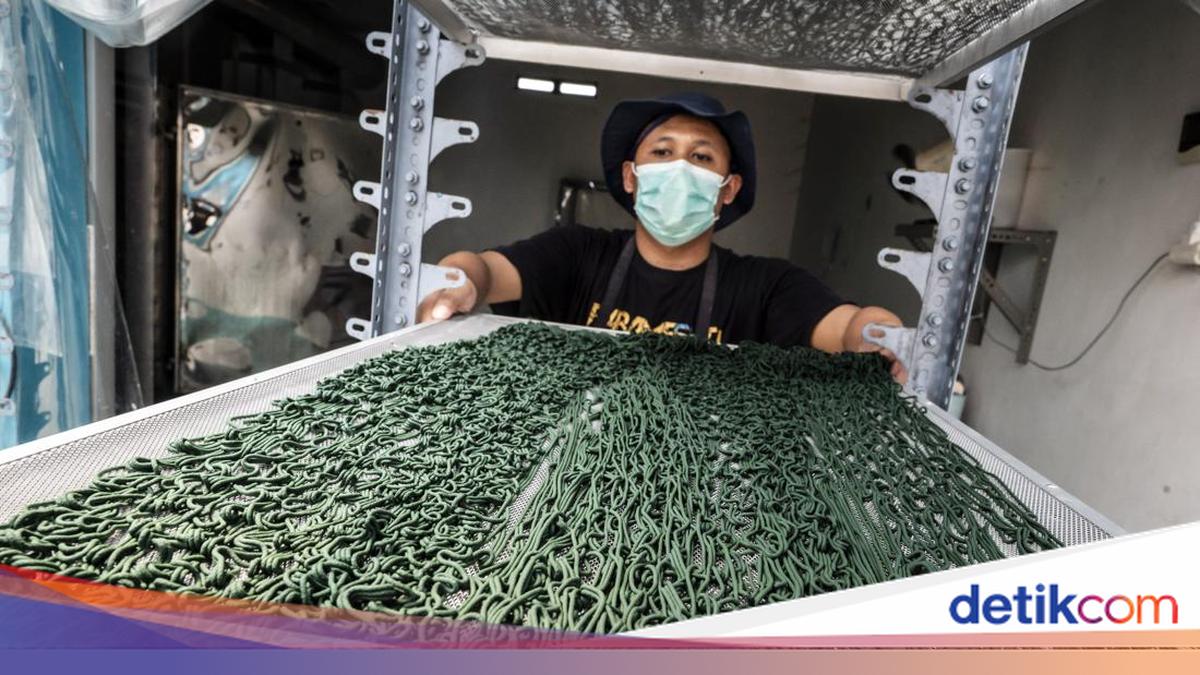
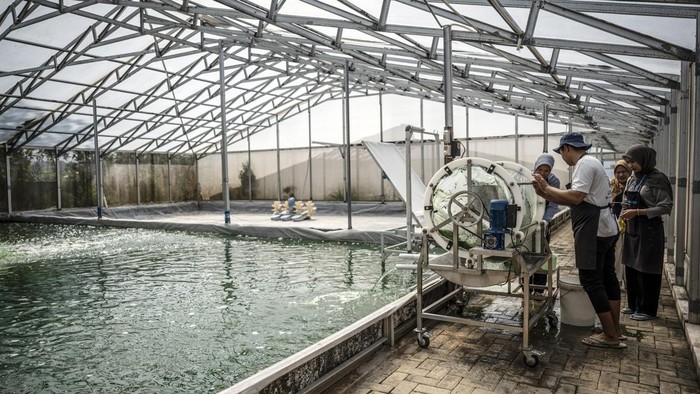
At the heart of Semarang’s Spirulina revolution is the Albitec facility, strategically located in Gunungpati. Albitec has distinguished itself through its innovative approach to freshwater Spirulina cultivation, utilizing a sustainable and environmentally friendly system. This commitment to ecological responsibility is not merely a marketing strategy but a fundamental principle embedded in their operational model. The facility employs advanced bioreactor designs and optimized nutrient delivery systems that minimize water consumption and prevent environmental contamination, a stark contrast to more traditional, open-pond methods that can be susceptible to external pollutants and greater water loss through evaporation.
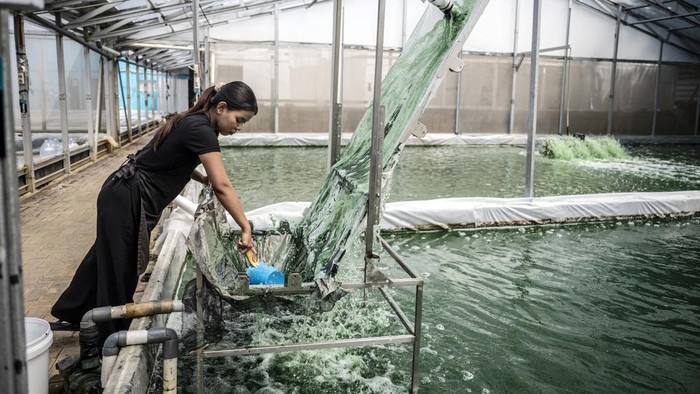
The cultivation process at Albitec is meticulously controlled, spanning a cycle of approximately 7 to 14 days. This relatively short cultivation period allows for rapid production cycles and consistent output. Each cultivation pond, with an impressive capacity of 21,000 liters, is capable of yielding between 20 to 30 kilograms of wet Spirulina biomass per cycle. This productivity rate is a testament to Albitec’s optimized growth conditions, which include precise control over light intensity, temperature, pH levels, and nutrient concentrations, ensuring the highest quality and purity of the harvested biomass. Following harvesting, the wet biomass undergoes a series of processing steps—typically involving dewatering, drying, and pulverization—to transform it into a stable, value-added product, ready for integration into various downstream industries. The final processed product, characterized by its high quality, commands a significant market price, with an estimated value of around Rp100,000 per 100 grams, highlighting the substantial economic value creation at each stage of the supply chain.
From Research to Commercialization: A Chronology of Innovation
While the July 17, 2026 report marks a significant milestone in Albitec’s journey, the foundation for this success was laid much earlier. The development of such a sophisticated cultivation facility typically involves years of dedicated research, pilot projects, and strategic investments. It is plausible that Albitec’s journey began in the early 2020s, perhaps around 2020-2022, with initial feasibility studies and laboratory-scale experiments focusing on optimizing Spirulina strains suitable for local conditions and developing sustainable cultivation protocols.
By 2023-2024, Albitec likely transitioned to pilot-scale operations, constructing initial ponds and refining their proprietary "sustainable cultivation system." This phase would have involved rigorous testing of their eco-friendly technologies, such as closed-loop water recirculation systems, renewable energy integration (e.g., solar power for pumps and lighting), and nutrient recycling mechanisms to minimize waste and environmental footprint. The emphasis on freshwater Spirulina, as opposed to brackish or saltwater varieties, also points to a strategic decision aimed at ensuring product purity and broader applicability in the food and cosmetic industries, which often prefer freshwater-sourced ingredients.
The period between 2024 and 2026 would have seen the scaling up of operations, moving from pilot to full commercial production. This expansion would have been accompanied by stringent quality control measures, obtaining necessary certifications for food safety, health supplements, and cosmetic ingredients. By July 2026, Albitec’s operations would have reached a mature stage, capable of consistent production and reliable supply to an expanding client base, both domestically and internationally. This timeline reflects a typical trajectory for innovative biotech ventures, driven by a combination of scientific rigor, entrepreneurial vision, and market demand.
Diverse Applications: Fuelling Multiple Industries
The high-quality Spirulina biomass produced by Albitec serves as a critical raw material for a wide array of industries, significantly contributing to their product innovation and market competitiveness.
- Health Supplements: This is perhaps the most well-known application. Spirulina is processed into tablets, capsules, or powder form, marketed as a potent dietary supplement. Its rich nutrient profile makes it ideal for boosting energy, supporting immune function, and aiding in overall wellness. For instance, athletes and health-conscious consumers frequently use Spirulina for its protein content and recovery benefits.
- Functional Foods: Spirulina’s vibrant green color and nutritional density make it an excellent ingredient for enriching various food products. It can be incorporated into smoothies, energy bars, pasta, baked goods, and even beverages, providing a natural boost of vitamins, minerals, and protein. The development of Spirulina-fortified food products addresses growing consumer demand for nutrient-rich and convenient dietary options.
- Cosmetics: The cosmetic industry is increasingly turning to natural, active ingredients, and Spirulina fits this trend perfectly. Its antioxidant properties, amino acid profile, and potential for skin regeneration make it valuable in anti-aging creams, masks, serums, and cleansers. Spirulina extracts are believed to protect skin from oxidative stress, improve elasticity, and promote a healthy complexion.
- Animal Feed: Beyond human consumption, Spirulina is also a highly effective and sustainable ingredient in animal feed, particularly for aquaculture and poultry. When added to fish or shrimp feed, it can enhance growth rates, improve disease resistance, and intensify natural pigmentation. For poultry, it can lead to improved egg quality and overall bird health. This application contributes to more sustainable and efficient animal farming practices, reducing reliance on less sustainable protein sources.
Economic Impact and Market Outlook for Semarang
Albitec’s operations, and the broader Spirulina industry in Semarang, represent a significant economic boon for the region and the nation. The cultivation and processing of Spirulina create numerous direct and indirect employment opportunities, ranging from skilled technicians for cultivation management and processing, to logistics and administrative staff. This diversification away from traditional agricultural sectors fosters a more resilient and modern local economy.
The projected market value of Spirulina, particularly high-quality, sustainably produced biomass, underscores its potential as a lucrative export commodity for Indonesia. With a selling price of Rp100,000 per 100 grams, Albitec’s annual production, if fully scaled and processed, could generate substantial revenue. For example, if a pond yields 25 kg wet biomass per cycle, and assuming 10% dry weight yield (a common conversion), that’s 2.5 kg dry biomass. At Rp1,000 per gram (Rp100,000/100g), one pond could generate Rp2.5 million per cycle. With multiple ponds and multiple cycles per month, the aggregate revenue potential is immense, contributing significantly to local GDP and national export earnings.
Moreover, the presence of advanced biotech facilities like Albitec attracts further investment in research and development, fostering innovation ecosystems around Semarang. This could lead to the development of new strains, improved processing technologies, and novel applications for Spirulina and other microalgae, cementing Semarang’s reputation as a hub for marine biotechnology.
Government Support and Collaborative Ecosystems
The success of ventures like Albitec is rarely achieved in isolation. It is reasonable to infer a supportive environment created by local and national government policies aimed at promoting sustainable aquaculture, bio-economy development, and high-value agricultural commodities. The Central Java provincial government and the Semarang municipal government likely offer incentives such as simplified licensing, land allocation, and potentially financial grants or tax breaks for companies investing in green technologies and job creation.
Furthermore, collaboration with academic institutions, particularly those with strong research programs in marine biology, biotechnology, and food science (such as Diponegoro University in Semarang), would be crucial. These partnerships could facilitate ongoing research into strain optimization, disease resistance, nutritional enhancement, and the development of new processing techniques. Such an ecosystem ensures a continuous pipeline of innovation and skilled labor, vital for sustained growth. Industry associations and farmer cooperatives could also play a role in standardizing best practices, ensuring quality control across the sector, and collectively marketing Indonesian Spirulina on the global stage.
Challenges and Future Prospects
Despite the promising outlook, the Spirulina industry in Semarang, like any emerging sector, faces its share of challenges. These include ensuring consistent quality control at scale, managing energy costs for climate-controlled facilities, protecting intellectual property related to unique cultivation methods, and navigating fluctuating global market prices. Developing robust supply chains for raw materials and distribution networks for finished products, both domestically and internationally, also requires continuous effort.
Looking ahead, the future for Semarang’s Spirulina industry appears bright. Albitec’s commitment to sustainable practices and high-quality output positions it strongly in a market increasingly prioritizing ethical and environmentally responsible production. Future expansion could involve increasing cultivation capacity, diversifying into other beneficial microalgae species, or developing proprietary end-products rather than solely supplying raw materials. Continued investment in research and development will be key to unlocking new applications, improving efficiency, and maintaining a competitive edge. As global populations grow and demand for sustainable, nutrient-rich food sources intensifies, Semarang’s pioneering efforts in Spirulina cultivation are set to play an increasingly important role in addressing both economic development and global nutritional challenges.