Socio Today
In an unprecedented move to stabilize its vital tourism sector, the Government of Dubai has launched a high-stakes incentive program that enlists its own population as brand ambassadors. Under the newly unveiled "Dubai Invite" initiative, the city is offering residents rewards and incentives valued at over 3,000 United Arab Emirates Dirhams (approximately $815 or Rp14.4 million) for successfully bringing international tourists to the emirate. This strategic pivot comes at a critical juncture for the city-state, which is navigating a complex recovery phase following a period of regional geopolitical instability that has weighed heavily on international travel confidence throughout the first half of 2026.
The program, spearheaded by the Dubai Department of Economy and Tourism (DET), represents a shift from traditional mass-media advertising toward a more personalized, grassroots approach to destination marketing. By leveraging the social networks of its diverse population—which consists of both Emirati citizens and a massive expatriate workforce—Dubai aims to bypass the "travel advisory" hesitancy that has characterized the market in recent months. The initiative officially commenced on July 20 and is scheduled to run through October 31, 2026, targeting the crucial lead-up to the winter high season.
Mechanics of the Dubai Invite Program
The "Dubai Invite" scheme is designed to be accessible to all legal residents of the UAE who hold a valid Emirates ID and are at least 18 years of age. To participate, residents must access the official "Visit Dubai" digital portal and nominate up to five prospective visitors. The criteria for these visitors are specific: they must be non-residents of the UAE and must arrive in the country on a valid tourist visa. The program recognizes arrivals through all ports of entry, including air travel via Dubai International (DXB) and Al Maktoum International (DWC), as well as maritime arrivals through the city’s cruise terminals and land border crossings.
Upon the confirmed arrival of the nominated guests, the resident who initiated the invitation becomes eligible for a comprehensive package of benefits. These rewards are not delivered as a direct cash transfer but rather as a curated "Incentive Pack" designed to stimulate local spending. The package includes a tiered system of vouchers that cover luxury hotel stays, high-end culinary experiences, and complimentary access to some of the city’s most iconic leisure attractions. According to the DET, the total market value of these perks is capped at 3,000 AED per participating resident, though the experiential value for a family can often exceed this nominal figure.
Once the authorities verify the visitor’s entry through immigration data, the resident receives an automated notification via email. This correspondence contains a digital dashboard with unique QR codes and instructions on how to redeem the various vouchers. To ensure a sustained impact on the local economy, these rewards remain valid for use until December 31, 2026, encouraging residents to explore their own city alongside their visiting guests.
Geopolitical Context and Economic Necessity
The timing of the "Dubai Invite" program is inextricably linked to the volatile geopolitical landscape of 2026. Following a series of military escalations involving Western powers and regional actors in the early months of the year, the Middle East aviation corridor faced significant disruptions. Several nations issued stringent travel advisories, and insurance premiums for commercial flights spiked, leading to a temporary contraction in spontaneous leisure travel.
For Dubai, where the tourism and hospitality sector contributes roughly 10% to 12% of the total Gross Domestic Product (GDP), even a minor dip in visitor numbers has significant fiscal implications. The city had reached a historic milestone in 2025, welcoming a record-breaking 20 million international overnight visitors. This growth was fueled by the success of post-pandemic recovery strategies and the expansion of the "Dubai Economic Agenda D33," which aims to double the size of the city’s economy by 2033. However, the first two quarters of 2026 saw a softening in these numbers as global headlines focused on regional tensions rather than the city’s luxury offerings.
Industry analysts suggest that the "Dubai Invite" program is a calculated attempt to humanize the destination. "You are the best reason for them to visit," the official Visit Dubai statement reads, emphasizing that personal connections often outweigh the perceived risks found in news reports. By focusing on the "Visiting Friends and Relatives" (VFR) segment, Dubai is tapping into a travel demographic that is historically more resilient to geopolitical shocks than pure leisure tourists.
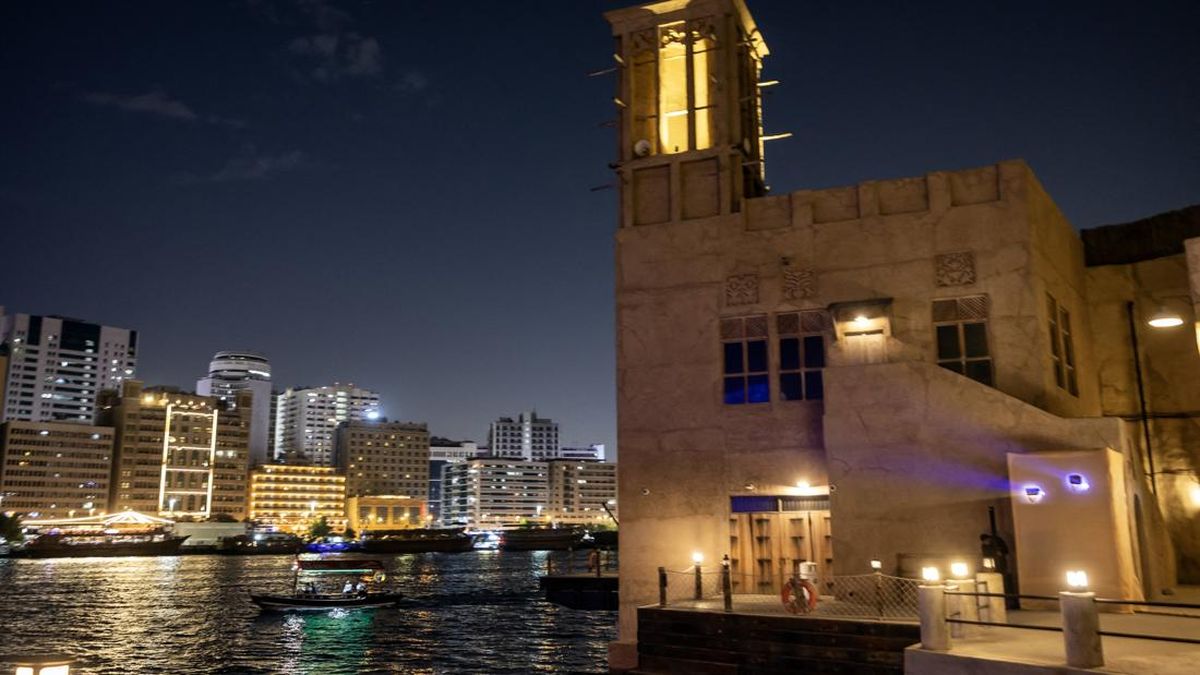
A Detailed Look at the Incentives
The Department of Economy and Tourism has partnered with dozens of private-sector entities to provide the rewards, ensuring that the burden of the incentive is shared across the hospitality ecosystem. Notable inclusions in the reward package feature some of Dubai’s most prominent landmarks:
- Hospitality and Accommodation: Participants can access discounts of up to 45% at luxury resorts such as the Melia Desert Palm. These offers are intended to encourage "staycations" where residents can host their guests in a resort setting rather than a private residence.
- Leisure and Theme Parks: The program includes complimentary tickets to Aquaventure World, the world’s largest waterpark located at Atlantis, The Palm. This remains one of Dubai’s top-performing tourist assets.
- Lifestyle and Dining: Vouchers for "Buy One, Get One" (BOGO) deals are provided for trendy venues like The 305, a popular beach club on Palm Jumeirah. Additionally, the incentive pack includes significant discounts on Dubai Taxi Corporation (DTC) services and bill reductions at a variety of Michelin-starred and casual dining establishments across the city.
- Retail and Services: Smaller vouchers for shopping malls and local service providers are also bundled into the digital wallet, ensuring that the economic benefit of the visitor’s arrival ripples through multiple sectors.
Strategic Analysis: The Power of the Resident Population
The decision to target the resident population—which is approximately 90% expatriate—is a masterclass in demographic marketing. Dubai’s residents hail from over 200 different nationalities, with the largest contingents coming from India, Pakistan, the United Kingdom, Western Europe, and neighboring Arab states. By incentivizing these individuals to invite their families, the government is effectively launching 3.5 million mini-marketing campaigns simultaneously.
"Residents are the most authentic advocates for a city," says a report from a leading regional economic consultancy. "When a resident tells their family in London or Mumbai that ‘it is safe here and the weather is perfect,’ that message carries more weight than a government-sponsored TV ad. This program essentially subsidizes the cost of hospitality for those who were already considering a visit but might have been deterred by rising flight costs or regional news."
Furthermore, the program addresses the "last-mile" of tourism spending. While a visitor might pay for their flight and visa, the resident incentive ensures that once the guest arrives, they are directed toward specific hotels, restaurants, and attractions that are part of the program, thereby supporting local businesses that may have seen a slowdown in foot traffic.
Timeline of Dubai’s Tourism Resilience
To understand the significance of this 2026 initiative, one must look at the chronology of Dubai’s tourism trajectory over the past decade:
- 2020-2021: Dubai becomes one of the first global cities to reopen during the COVID-19 pandemic, utilizing aggressive testing and vaccination drives to position itself as a safe haven.
- 2022-2023: Post-Expo 2020 momentum carries the city to new heights, with the luxury real estate and tourism sectors seeing double-digit growth.
- 2025: Dubai hits the 20 million visitor mark, a goal that had been set years prior. The city becomes the world’s most popular destination on several travel platforms.
- Early 2026: Geopolitical tensions lead to flight reroutings and a 15% drop in bookings from European and North American markets in Q1 and Q2.
- July 2026: Launch of "Dubai Invite" to stabilize the market and ensure the 2026 year-end figures remain competitive.
Broader Implications and Long-term Vision
The "Dubai Invite" program is likely to be watched closely by other global tourism hubs. If successful, it could provide a blueprint for how cities can use their domestic populations to buffer against international volatility. For Dubai, the stakes are high. The city is currently in the middle of a massive infrastructure expansion, including the development of the new terminal at Al Maktoum International Airport, which is slated to become the world’s largest. Maintaining a steady flow of passengers is essential to justify these multi-billion-dollar investments.
Furthermore, this initiative aligns with the UAE’s broader "Soft Power Strategy," which seeks to build bridges and foster cultural exchange. By bringing more people to see the reality of life in the emirate, the government hopes to counter negative regional narratives and reinforce Dubai’s image as a stable, cosmopolitan hub of commerce and leisure.
As the October 31 deadline approaches, the DET is expected to release preliminary data on the number of "nominations" processed. Early indications suggest a high level of engagement, particularly among the Indian and European expat communities, who often host family during the autumn months.
In conclusion, the "Dubai Invite" program is more than just a giveaway; it is a sophisticated economic tool designed to mobilize the city’s greatest asset—its people. By turning residents into stakeholders in the tourism sector’s success, Dubai is creating a resilient marketing engine that is capable of weathering the storms of regional politics. Whether this will be enough to return the city to its 2025 growth trajectory remains to be seen, but the sheer scale and ambition of the program leave no doubt about Dubai’s commitment to remaining at the pinnacle of global tourism.