Socio Today
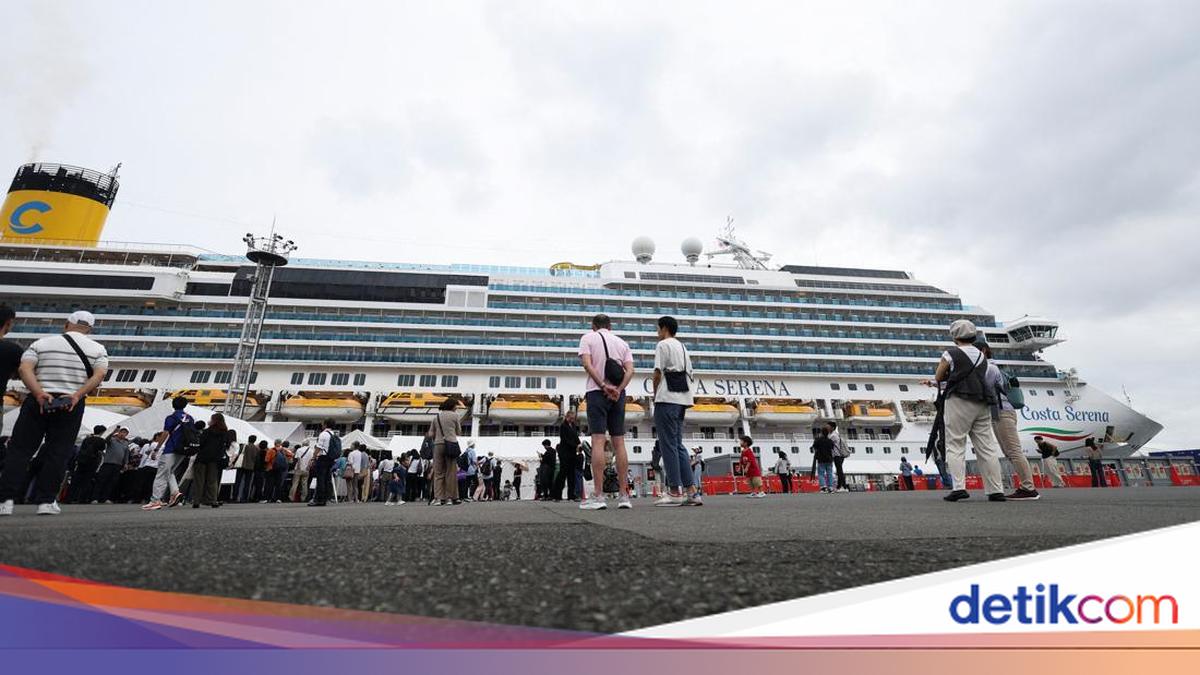
The city of Nagoya, Japan, has officially set a new precedent for large-scale international sporting events by repurposing the luxury cruise ship Costa Serena as a primary athlete village for the 2026 Asian Games. As the Games progress toward their conclusion on October 4, 2026, the sight of the massive vessel docked at the Kinji Pier has become a focal point of the host city’s infrastructure strategy. This deployment represents the first time in Japanese history that a cruise ship has been utilized as a primary accommodation hub for a major international sporting event, signaling a significant shift in how host nations manage the logistical challenges of housing thousands of delegates.
A Massive Floating Hub for International Athletes
The Costa Serena, operated by Costa Cruises, is a marvel of maritime engineering currently serving as a temporary home for approximately 5,000 athletes, team officials, and support staff. Measuring 290.2 meters in length and boasting a gross tonnage of 114,000 tons, the vessel provides a unique living experience for participants. With 1,500 cabins available, the ship offers a self-contained environment that combines the functionality of a standard athlete village with the amenities typically reserved for luxury maritime travel.
The decision to anchor the vessel at Kinji Pier was driven by the need to optimize urban space within Nagoya while ensuring that all participants remain in close proximity to the Games’ core venues. By utilizing the sea, the organizing committee has successfully bypassed the need for extensive land-based construction, which often leads to complex urban planning issues and environmental concerns in densely populated Japanese cities.
Chronology of Deployment and Preparation
The arrival of the Costa Serena on September 15, 2026, was the culmination of months of meticulous planning and maritime coordination. The logistics involved in preparing a cruise ship for such a specialized purpose began early in the year, with organizers securing the vessel through a rental contract valued at approximately 4.5 billion yen (approximately $30 million USD).
Following its arrival, a rigorous process of security screening, health inspections, and interior modifications was carried out to ensure the vessel met the strict standards required for Olympic-level athlete housing. The transformation process involved setting up dedicated medical wings, high-speed connectivity zones for media and communication, and specialized dining areas tailored to the diverse dietary requirements of athletes from across the Asian continent.
The Strategic Rationale Behind the Floating Village
Historically, the construction of dedicated athlete villages has been one of the most expensive and time-consuming aspects of hosting games. For many host cities, the post-event utility of these villages remains a contentious issue, often resulting in abandoned or underutilized real estate. By opting for a chartered cruise ship, Nagoya has demonstrated a pragmatic and sustainable approach to the "event-city" model.
The use of cruise ships for accommodation is not entirely unprecedented globally—such vessels were previously utilized during the 2004 Athens Olympics and for various large-scale international summits—but the scale of the Nagoya deployment is unprecedented for a Japanese venue. Hideaki Omura, President of the local organizing committee, emphasized that this approach offers a flexible solution that can be scaled according to the specific needs of the Games without requiring permanent infrastructure that might otherwise become a burden on the city’s taxpayers.
Official Perspectives and Safety Standards
During the formal welcoming ceremony held upon the ship’s arrival, Hideaki Omura expressed his satisfaction with the project. "This is the first time in Japan that a cruise ship has been used as accommodation for a major international sporting event," Omura stated. "We are pleased to be able to provide this new type of accommodation for a large-scale event, ensuring that our guests enjoy a seamless experience that balances comfort with efficiency."
The vessel is helmed by Captain Federico Sias, who has been instrumental in managing the transition from a passenger liner to a secure athlete hub. Captain Sias underscored the significance of the vessel’s role, noting that the ship has been transformed into a home for cultural exchange. "Today, our ship becomes more than just a destination. It is a vessel of friendship, mutual respect, and unity," Sias remarked.
In light of the vessel’s lineage, observers have naturally drawn comparisons to the Costa Concordia, a sister ship that suffered a tragic maritime disaster off the coast of Tuscany in 2012. However, the organizers have been quick to reassure the public and participating nations that the Costa Serena adheres to the highest modern maritime safety and navigation standards. Regular drills and stringent emergency protocols have been integrated into the daily routine of the athlete village to ensure the safety of all residents.
Economic and Urban Planning Implications
The fiscal commitment of 4.5 billion yen for the charter has been met with generally positive feedback from the local business community and urban planners. While the sum is significant, it is viewed by many as a cost-effective alternative to the billions typically spent on building new high-rise residential complexes that might sit empty for years after the closing ceremony.
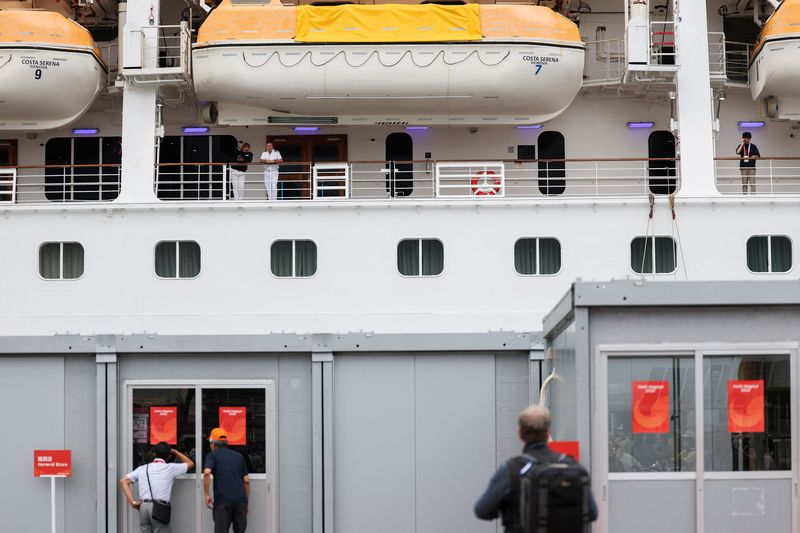
Furthermore, the presence of the ship at Kinji Pier has stimulated local economic activity. The surrounding areas have seen an increase in foot traffic, with temporary services and transport hubs established to connect the dockside to the main sporting venues. This "plug-and-play" infrastructure model is likely to influence how future Japanese cities approach the housing of participants in international events.
Environmental and Logistical Challenges
While the floating village concept offers many benefits, it is not without challenges. Maintaining a stable environment for 5,000 individuals on a maritime vessel requires constant management of waste, water usage, and power supply. The organizing committee has partnered with local utility providers to ensure that the ship’s carbon footprint is minimized, utilizing shore-to-ship power where possible to reduce the need for the vessel to run its engines while docked.
The logistical challenge of transporting thousands of athletes daily between the ship and various stadiums across Nagoya has been handled through a sophisticated, high-frequency bus and shuttle network. This system has been designed to prioritize the athletes’ recovery and schedule, ensuring that transit times are kept to an absolute minimum.
A Legacy of Innovation
As the 2026 Asian Games draw to a close, the "Nagoya Model" of using cruise ships for athlete accommodation will undoubtedly be the subject of academic and industrial analysis for years to come. By prioritizing adaptability and sustainability, Nagoya has provided a blueprint that other cities—particularly those with constrained land resources—may seek to emulate.
The Costa Serena has proven that large-scale sporting events can be both spectacular and operationally lean. Beyond the medals, the records, and the intense competition, the sight of this ship in the Nagoya harbor will remain a defining image of the 2026 Asian Games—a testament to Japan’s ability to blend traditional hospitality with modern, innovative, and sustainable infrastructure solutions.
The successful implementation of this project confirms that, in the evolving landscape of global sports, the most effective solutions are often those that think outside the traditional architectural box. For the 5,000 athletes who have called the ship home, the experience has been more than just a place to sleep; it has been a testament to the international cooperation that the Asian Games aim to foster, proving that even a temporary home can leave a lasting impact on the history of international sports.