Socio Today
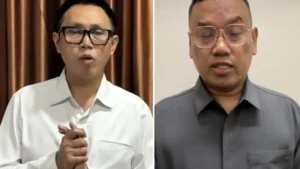
Jakarta, VIVA – Prominent figures Eko Hendro Purnomo, widely known as Eko Patrio, and Surya Utama, or Uya Kuya, both members of the House of Representatives (DPR RI) representing the National Mandate Party (PAN), continue to hold a non-active status within the legislative body. This update comes from the party itself, nearly two months after their initial deactivation from parliamentary duties. The decision underscores the intricate dynamics of party discipline and political alignment within Indonesia’s robust multi-party system, particularly concerning high-profile public figures transitioning from entertainment to politics.
The prolonged absence of Eko Patrio and Uya Kuya from active parliamentary roles has drawn quiet attention within political circles and among their respective constituents. The latest clarification regarding their status was provided by Eddy Soeparno, the Deputy Chairman of PAN. Speaking to reporters on Wednesday, October 22, 2025, Soeparno confirmed that the Central Executive Board (DPP) of PAN maintains their non-active designation. "As of now, the DPP PAN still retains their status as non-active members," Soeparno stated, indicating that no changes have occurred since the initial announcement.
Chronology of the Non-Activation Decision
The decision to non-activate Eko Patrio and Uya Kuya from their positions as DPR RI members was initially formalized and announced by PAN on Sunday, August 31, 2025. A press release issued by the DPP PAN, received by tvOnenews.com, stipulated that their non-active status would take effect the following day, Monday, September 1, 2025. This official communication was notably signed by the Chairman of PAN, Zulkifli Hasan, and another Deputy Chairman, Viva Yoga Mauladi, signifying a unanimous and high-level party decision.
The press release at the time cited "observing current dynamics and developments" as the primary rationale for the party’s decision. While specific details regarding these "dynamics and developments" were not explicitly provided, the statement also included a crucial appeal to the public. It urged citizens to remain calm, patient, and to place their trust in the administration of President Prabowo Subianto. Furthermore, PAN affirmed its unwavering commitment to always side with the people, working in conjunction with the government. This broad phrasing, coupled with the call for public trust in the executive, suggested a strategic move by PAN to reinforce party cohesion and alignment with the national political agenda, especially in a post-election environment where political support for the newly formed government would be critical.
Internal Party Review and Future Prospects
Regarding the future resolution of Eko Patrio and Uya Kuya’s non-active status, Eddy Soeparno clarified that any further developments rest entirely with the party’s top leadership. He explained that the ultimate decision and subsequent directives would come from PAN Chairman Zulkifli Hasan, following which they would be communicated to the leadership of the PAN faction within the DPR. "The progress of this matter, of course, awaits further directives from the chairman, and will then be communicated to the leadership of the PAN faction," Soeparno elaborated. This hierarchical decision-making process underscores the significant authority vested in party chairmen within Indonesian political parties, particularly concerning the internal discipline and positioning of their parliamentary members.
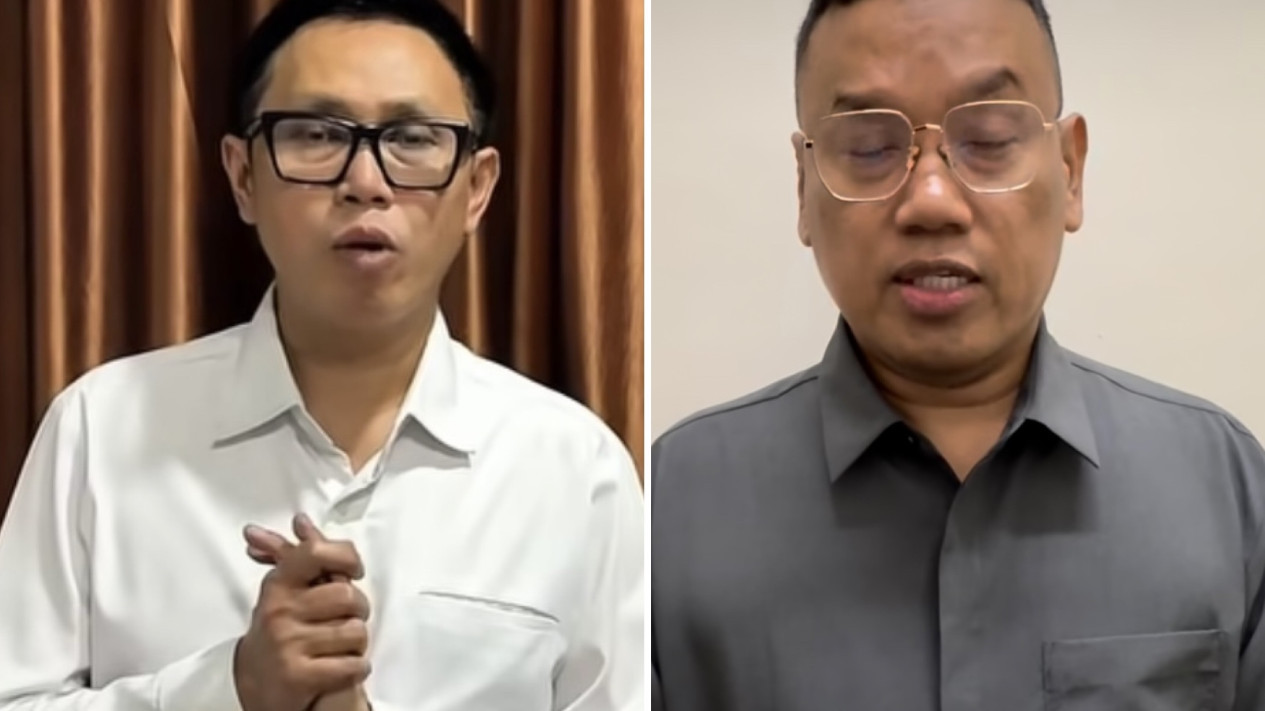
The statement highlights that the non-active status is not necessarily a permanent removal but rather a temporary suspension, pending an internal review or a strategic decision by the party. Such actions are common mechanisms for political parties to assert control over their members, especially when individual actions or statements are perceived to deviate from the party line or potentially damage its public image or political objectives.
The Role of Party Discipline in Indonesian Politics
In Indonesia’s parliamentary system, political parties wield substantial influence over their elected representatives. Members of the DPR RI are primarily accountable to their respective parties, which nominate them for elections and provide the organizational structure and resources for their campaigns. Party discipline is a cornerstone of this system, ensuring that elected members adhere to the party’s ideology, policies, and strategic decisions.
Instances of party members being disciplined, suspended, or even recalled (Pengganti Antar Waktu or PAW) are not uncommon. Reasons for such actions can vary widely, including:
- Deviation from Party Stance: Public statements or votes that contradict official party policy.
- Ethical Violations: Involvement in scandals or activities that tarnish the party’s reputation.
- Lack of Performance: Failure to meet parliamentary duties or represent constituents effectively as perceived by the party.
- Internal Conflicts: Disagreements with party leadership or factions.
- Strategic Realignment: During periods of political transition or government formation, parties may take disciplinary actions to consolidate power or demonstrate loyalty to a coalition.
The non-active status of Eko Patrio and Uya Kuya can be seen through this lens of party discipline. While the exact "dynamics and developments" remain undisclosed, the party’s call for public trust in the Prabowo administration suggests that the decision might be linked to ensuring unwavering support for the executive or to prevent any perceived dissent that could undermine the party’s position within the ruling coalition. This is particularly relevant in the period following a presidential election, where parties often seek to solidify their alliances and present a united front.
Profiles of the Involved Public Figures
Eko Hendro Purnomo (Eko Patrio): A veteran comedian and television personality, Eko Patrio successfully transitioned into politics, becoming a prominent figure within PAN. Known for his charismatic presence, he has served multiple terms in the DPR RI, representing various electoral districts. His long tenure in parliament reflects his sustained popularity and ability to connect with voters. His political career has been characterized by active participation in parliamentary commissions and a public profile that blends entertainment and legislative duties. His non-activation is particularly noteworthy given his experience and established position within the party.
Surya Utama (Uya Kuya): Renowned as a magician and television presenter, Uya Kuya represents a more recent wave of celebrity politicians entering the Indonesian legislative arena. His entry into politics brought a fresh perspective and utilized his extensive public following to garner electoral support. While relatively newer to the political landscape compared to Eko Patrio, Uya Kuya quickly established himself as an outspoken and popular representative. The decision to non-activate him, alongside Eko, indicates a comprehensive party review affecting prominent entertainment figures in their parliamentary ranks.
The phenomenon of celebrity politicians is prevalent in Indonesia, leveraging their existing fame and public appeal to win elections. However, their political careers are often subject to intense scrutiny, both from the public and their respective parties. Parties that recruit celebrities often benefit from their visibility but must also manage their public personas and ensure they align with party objectives.
Broader Implications and Potential Scenarios
The ongoing non-active status of Eko Patrio and Uya Kuya carries several implications:
- For the Individuals: It effectively suspends their legislative functions, including participation in committee meetings, plenary sessions, and the exercise of their voting rights. They would also likely experience a suspension of parliamentary emoluments and privileges. While not a full recall, it significantly curtails their political influence and public platform within the DPR, potentially impacting their long-term political careers.
- For PAN: The decision underscores PAN’s commitment to maintaining internal discipline and its strategic alignment with the government. By taking such action, the party sends a clear message to its members about the importance of adhering to the party line, especially during critical political junctures. It also demonstrates the leadership’s capacity to make difficult decisions concerning popular figures to uphold party unity and objectives.
- For the DPR RI: While the non-activation of two members from a single party may not drastically alter the overall balance of power in the DPR, it highlights the influence of party politics on individual legislative roles. Should their non-active status eventually lead to a full recall, the process of Pengganti Antar Waktu (PAW) would be initiated, where the next eligible candidate from PAN’s electoral list would fill their seats. This ensures continuity in representation but also signifies a disruption in the composition of the respective parliamentary factions.
The Path Forward
As the situation stands, the future of Eko Patrio and Uya Kuya’s parliamentary roles remains in limbo, awaiting the definitive word from PAN Chairman Zulkifli Hasan. Several potential scenarios could unfold:
- Reinstatement: If the internal review concludes favorably, or if the "dynamics and developments" that prompted the non-activation subside, the party could decide to reinstate them to active duty.
- Continued Non-active Status: The party might opt to keep them non-active for an extended period, effectively sidelining them without a formal recall, perhaps as a probationary measure.
- Full Recall (PAW): This would be the most significant step, resulting in their permanent removal from the DPR RI and their replacement by another PAN candidate. This usually occurs if the party determines a fundamental breach of discipline or a strategic need for a different representative.
The lack of public statements from Eko Patrio and Uya Kuya since their non-activation, as noted in the original report, might suggest compliance with party directives or a strategy to allow the internal party process to unfold without further public commentary. This silence is often a tactic used by disciplined party members during internal reviews.
In conclusion, the situation surrounding Eko Patrio and Uya Kuya exemplifies the constant interplay between individual political careers, party discipline, and the broader political landscape in Indonesia. PAN’s decision to maintain their non-active status, while awaiting further direction from its chairman, reflects the party’s ongoing efforts to manage its internal cohesion and external political positioning in the current governmental environment. The resolution of this matter will not only shape the political futures of these two prominent figures but also offer further insights into the evolving dynamics of party power and accountability within the Indonesian legislative system.