Socio Today
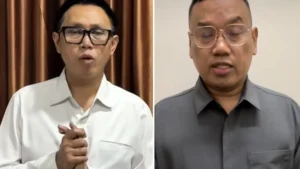
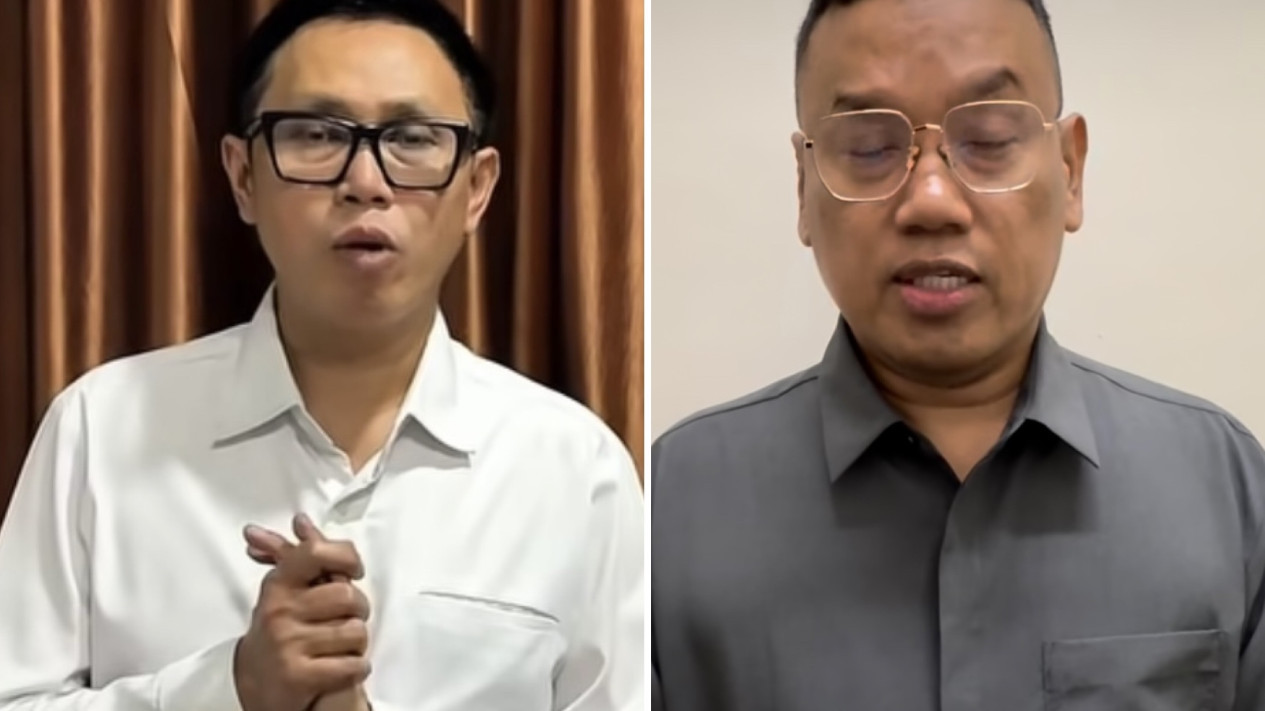
The political futures of prominent Indonesian public figures-turned-politicians Eko Hendro Purnomo, widely known as Eko Patrio, and Surya Utama, popularly recognized as Uya Kuya, continue to remain in a state of ambiguity. This uncertainty persists following their official administrative non-activation as members of the House of Representatives (DPR RI) representing the National Mandate Party (PAN).
Months after the initial announcement that startled political observers and constituents alike, the leadership of PAN has reaffirmed that both lawmakers remain in a suspended operational status. The decision, which first came to light in late August 2025, stems from shifting internal party evaluations and broader political adjustments within the legislative branch. As constituents and political analysts monitor the trajectory of these high-profile figures, the party leadership maintains that any future reinstatement or definitive status change rests entirely on executive party directives.
Current Standing and Leadership Directives
Addressing the media in Jakarta, Eddy Soeparno, the Deputy Speaker of the People’s Consultative Assembly (MPR RI) who also serves as the Deputy Chairperson of PAN, provided an update regarding the administrative stance of the party toward the two legislators. According to Soeparno, the Central Executive Board (DPP) of PAN has not altered its earlier stance regarding the suspension of Eko Patrio and Uya Kuya from their active parliamentary duties.
"Thus far, the DPP PAN maintains the status of our members as non-active," Soeparno stated to journalists.
When pressed on when a final resolution or policy shift might occur regarding their return to legislative committees and active parliamentary sessions, Soeparno emphasized that the authority to decide rests with the highest levels of the party structure. He noted that any upcoming developments would be strictly contingent upon instructions issued by PAN General Chairperson Zulkifli Hasan, which will subsequently be communicated directly to the leadership of the PAN faction within the DPR RI.
"The progression of this matter is certainly in the hands of the general chairperson, and it will later be communicated to the leadership of the PAN faction," Soeparno elaborated, signaling a centralized decision-making process typical of major Indonesian political parties.
Chronology of the Suspension
The unprecedented move to sideline two of the party’s most recognizable legislative assets originated in late August 2025. The administrative suspension was officially formalized through a press release issued by the DPP PAN, which quickly circulated across major media outlets on Sunday, August 31, 2025.
The official document outlining the suspension bore the signatures of two of the party’s most influential figures: PAN General Chairperson Zulkifli Hasan and Deputy Chairperson Viva Yoga Mauladi. According to the text of the official circular, the directive explicitly mandated that both Eko Hendro Purnomo and Surya Utama officially cease their active duties as members of the DPR RI from the PAN faction effective Monday, September 1, 2025.
The official statement from the party leadership framed the decision as a necessary administrative adjustment in response to shifting national political conditions. "Observing the current dynamics and developments, the DPP PAN has decided to non-activate our brother Eko Hendro Purnomo and our brother Surya Utama as members of the DPR RI from the PAN faction of the DPR RI, effective Monday, September 1, 2025," the official release stated.
Crucially, the announcement also sought to preempt potential public speculation or panic among constituents who had voted for the entertainment-industry figures during the legislative elections. The party urged the public to remain calm, exercise patience, and maintain confidence in the broader national administration under the leadership of President Prabowo Subianto. Furthermore, PAN underscored its ongoing commitment to aligning with government policies designed to protect and prioritize the welfare of the general populace.
Background Context: The Celebrity-Politician Phenomenon in Indonesia
The political journeys of Eko Patrio and Uya Kuya reflect a broader, decades-long trend in Indonesian democracy: the integration of prominent celebrities and entertainers into formal legislative politics. Both figures achieved massive household name recognition through decades of television hosting, comedy, and music production before transitioning into the political arena.
Their inclusion on party tickets has traditionally served as a strategic electoral asset for political parties aiming to capture high constituent visibility and substantial vote tallies in dense urban electoral districts. Eko Patrio, a veteran politician who has served multiple terms in the national legislature, established a strong organizational foothold within PAN over the years, handling significant internal party responsibilities alongside his legislative duties. Uya Kuya, representing a newer wave of celebrity entrants into parliamentary politics, capitalized on his immense media reach and populist appeal to secure a seat in the DPR RI during the most recent legislative election cycle.

However, the intersection of celebrity status and legislative accountability often places such figures under intense public scrutiny. The sudden decision by PAN to non-activate two of its most prominent legislative members has therefore generated considerable debate regarding internal party discipline, the performance benchmarks expected of lawmakers, and the strategic positioning of political parties within the broader coalition supporting the executive branch.
Broader Implications and Political Analysis
The ongoing suspension of Eko Patrio and Uya Kuya carries several noteworthy implications for both the National Mandate Party and the broader landscape of the Indonesian parliament.
First, from an organizational standpoint, the move highlights the strict hierarchy governing party factions within the DPR RI. In Indonesia’s proportional representation system, individual lawmakers derive a significant portion of their political authority and institutional backing from their respective party central boards (DPP). By exercising the power to suspend active duties without stripping them entirely of their party membership, the leadership of PAN retains tight operational control over its delegation, signaling that party cohesion and strategic alignment take precedence over individual prominence.
Second, the indefinite nature of the suspension period—stretching across multiple months without a transparent public timeline for reinstatement—suggests that the decision may be tied to broader legislative strategies, internal party realignments, or preparations for upcoming political cycles. Political analysts point out that parties often utilize administrative adjustments to manage internal workloads, recalibrate public image, or address performance evaluations within parliamentary commissions.
Finally, the handling of this high-profile case serves as a litmus test for PAN’s internal communication and stability. As the party leadership, led by Zulkifli Hasan and supported by senior officials like Eddy Soeparno, continues to keep the final decision under wraps, attention remains focused on how the party will ultimately resolve the status of these two lawmakers. Whether the suspension will eventually lead to a formal return to legislative chambers or a permanent reassignment of roles remains one of the most closely watched storylines in contemporary Indonesian national politics.