PAN Confirms Eko Patrio and Uya Kuya Remain Non-Active DPR Members Amidst Ongoing Internal Review

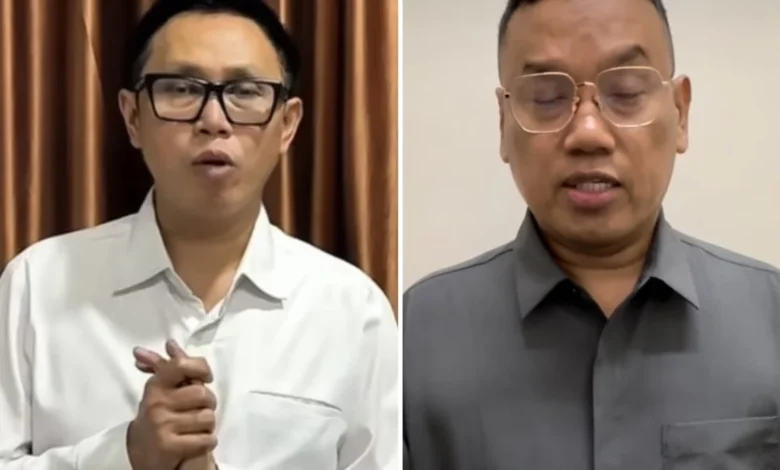
Jakarta, VIVA – The political landscape in Indonesia continues to observe the status of prominent celebrity politicians Eko Hendro Purnomo, widely known as Eko Patrio, and Surya Utama, alias Uya Kuya, whose presence in the House of Representatives (DPR RI) has been notably muted since their non-activation. On Wednesday, October 22, 2025, the National Mandate Party (PAN) provided an update on their standing, confirming that both figures remain in a non-active status, with their ultimate fate resting in the hands of the party’s top leadership.
Wakil Ketua Umum (Vice Chairman) of PAN, Eddy Soeparno, articulated the party’s current position, stating, "As of now, the DPP PAN still maintains their status as non-active members." This statement, conveyed to reporters and subsequently quoted on Wednesday, October 22, 2025, reiterates the decision made nearly two months prior. Soeparno further elaborated that any progression or resolution regarding the two former legislative members would await the direct guidance of the party’s Chairman, Zulkifli Hasan, and subsequent communication with the PAN faction leadership within the DPR RI. "The developments, of course, await further directives from the Chairman and will then be communicated to the leadership of the PAN faction," he clarified, indicating a centralized decision-making process for this sensitive matter.
Background of the Non-Activation Decision
The non-activation of Eko Patrio and Uya Kuya from their roles as DPR RI members representing PAN was initially announced on Sunday, August 31, 2025. This significant decision was formally documented in a press release from the DPP PAN, signed by both Chairman Zulkifli Hasan and Vice Chairman Viva Yoga Mauladi. The release explicitly stated that Eko Hendro Purnomo and Surya Utama were officially rendered non-active as DPR RI members from the PAN Faction, effective Monday, September 1, 2025.
The official statement from PAN at the time urged the public to "remain calm and patient and trust the government of President Prabowo Subianto," emphasizing the party’s commitment to supporting the people alongside the government. This phrasing hinted at the broader political context surrounding the decision, suggesting an alignment with national stability and governmental priorities, though the specific reasons for the non-activation of the two popular figures were not publicly detailed. The lack of explicit justification fueled speculation within political circles and among the public regarding the underlying causes of such a decisive party action.
The Prominence of Celebrity Politicians in Indonesia
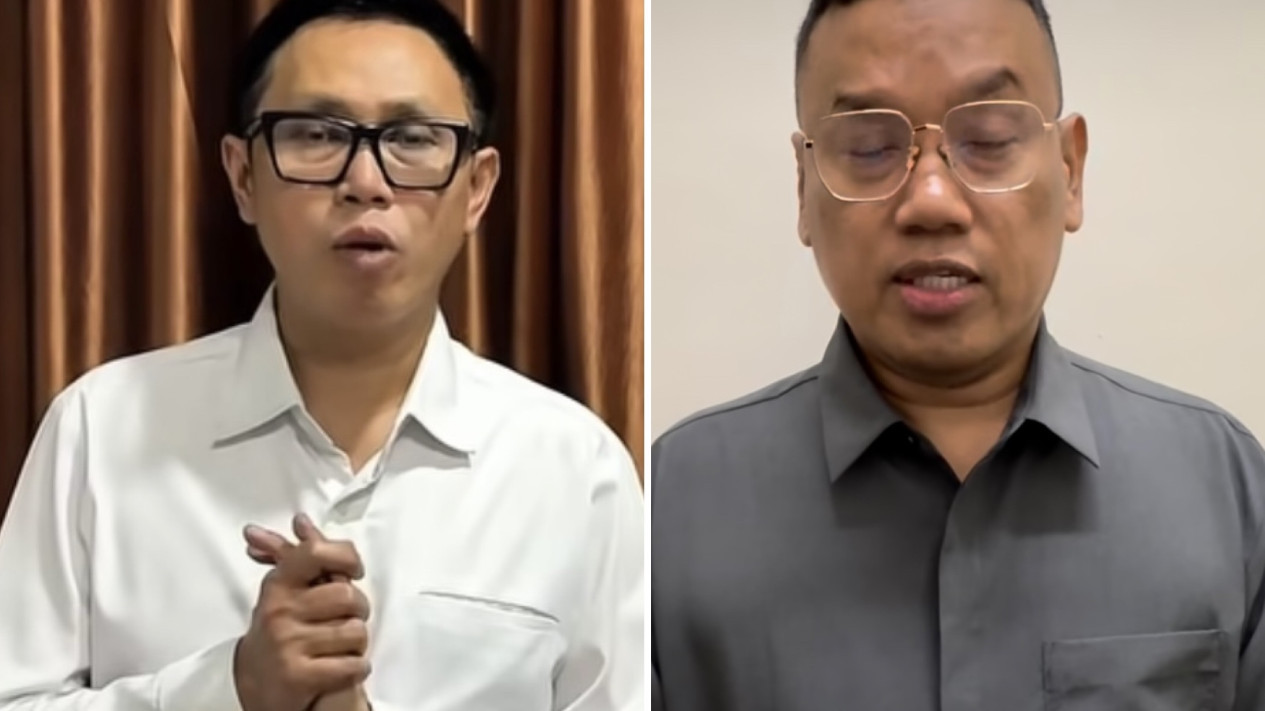
Eko Patrio and Uya Kuya represent a significant phenomenon in Indonesian politics: the successful transition of popular entertainers into legislative roles. Eko Patrio, a veteran comedian, actor, and television personality, has had a long and established career in entertainment before entering politics. His political journey with PAN has been notable, having served multiple terms in the DPR RI. His strong public recognition and established fan base have historically translated into significant electoral support, making him one of PAN’s most recognizable faces in the legislature.
Uya Kuya, known for his charismatic persona as a magician, television presenter, and YouTuber, represents a newer wave of celebrity politicians. His entry into politics capitalized on his massive social media following and contemporary appeal. While newer to the legislative arena compared to Eko Patrio, his influence, particularly among younger demographics, was seen as a valuable asset for PAN in broadening its electoral reach. The presence of such figures in parliament often sparks debates about the balance between popular appeal and legislative competency, as well as the role of political parties in leveraging celebrity status for electoral gains. Their non-activation, therefore, carries broader implications for the strategy of incorporating public figures into political structures.
Potential Reasons and Implications for PAN
While PAN has refrained from publicly disclosing the precise reasons for Eko Patrio and Uya Kuya’s non-activation, political analysts and observers have posited several plausible scenarios. One common theory revolves around internal party discipline. Political parties, especially those in government coalitions, often demand strict adherence to party lines, particularly on critical legislative votes or policy stances. Any perceived deviation, whether in public statements or legislative actions, could trigger disciplinary measures. This move could signal PAN’s resolve to strengthen its internal coherence and ensure that all its representatives align with the party’s strategic objectives and the agenda of the Prabowo Subianto administration.
Another perspective suggests a strategic re-evaluation of legislative roles. Political parties frequently reassess the effectiveness and contribution of their members, especially in anticipation of future electoral cycles, such as regional elections or the next general election. It is possible that the party leadership opted to streamline its legislative team, reassigning roles or removing members who might not align with a renewed strategic vision. This could be part of a broader internal consolidation effort aimed at enhancing PAN’s performance and public image. The decision could also be a response to internal party dynamics or a move to project an image of seriousness and accountability to the electorate, ensuring that all party representatives are perceived as actively engaged in their legislative duties and dedicated to public service.
Furthermore, the decision might reflect a nuanced shift in how PAN views the role of celebrity politicians. While their popular appeal is undeniable for vote-getting, parties sometimes face pressure to demonstrate that their representatives are more than just public figures, possessing substantive legislative capabilities and commitment. The non-activation could be interpreted as a message that while popularity is valued, it must be coupled with rigorous adherence to party mandates and legislative responsibilities.
The Broader Political Context and Official Responses

The non-activation comes at a critical juncture for Indonesian politics, with the Prabowo Subianto administration still in its early stages. As a key component of the ruling coalition, PAN is under scrutiny to demonstrate unity, effectiveness, and a clear legislative agenda. The mention of trusting "President Prabowo Subianto’s government" in the initial press release underscores the party’s commitment to the new administration and suggests that the decision might be partly influenced by the need to present a cohesive front.
Official responses from the individuals themselves have been notably subdued. Neither Eko Patrio nor Uya Kuya has issued extensive public statements directly challenging or elaborating on PAN’s decision. This silence could be interpreted in several ways: a sign of respect for internal party processes, an agreement to handle the matter discreetly, or a strategy to avoid further public controversy while the party’s internal review is ongoing. Such a measured response is often characteristic of seasoned politicians navigating complex party disciplinary actions.
Political analysts like Dr. Budi Santoso from the Center for Political Studies (CPS) at the University of Indonesia, while not directly quoted in the original text, might offer insights that such moves are not uncommon in large political parties. "Parties constantly evaluate their members, especially in a dynamic political environment like Indonesia’s. Non-activation, while seemingly drastic, can be a temporary measure for various internal reasons, from strategic repositioning to disciplinary reviews, without necessarily implying permanent removal or scandal," Dr. Santoso might have commented, providing a balanced perspective on party management. He might further elaborate, "For a party like PAN, which often balances its nationalist-religious platform with a pragmatic approach, maintaining internal discipline and aligning with government priorities is crucial for its long-term political viability."
Timeline and Future Outlook
The chronology of events reveals a swift decision-making process by PAN:
- Sunday, August 31, 2025: DPP PAN issues a press release announcing the non-activation of Eko Patrio and Uya Kuya.
- Monday, September 1, 2025: The non-activation officially takes effect.
- Wednesday, October 22, 2025: Vice Chairman Eddy Soeparno confirms that their non-active status remains unchanged, awaiting further directives from Chairman Zulkifli Hasan.
The indefinite nature of the "non-active" status leaves room for various outcomes. It could be a prelude to a more permanent removal from the DPR RI, potentially involving a recall (Pengganti Antar Waktu or PAW) and replacement by the next candidate on PAN’s electoral list from their respective constituencies. Alternatively, it could be a temporary measure, allowing the party to reassess their roles or for the individuals to address any internal issues. A reinstatement, perhaps with a modified portfolio or a clearer understanding of party expectations, is also a possibility, though the current silence and the centralized decision-making process suggest a cautious approach.
The resolution of this issue will have implications not only for Eko Patrio and Uya Kuya’s political careers but also for PAN’s internal governance and its public image. It will serve as a test case for how a major political party manages high-profile members, balances popular appeal with legislative responsibility, and navigates the complex demands of coalition politics. The coming weeks and months will be crucial in determining the final fate of these two celebrity politicians and the broader message PAN intends to send to its members and the Indonesian electorate. The public, along with political observers, will undoubtedly be watching for Chairman Zulkifli Hasan’s ultimate decision, which will shape the future trajectory of these prominent figures within the Indonesian political landscape.