The Evolution of Modern Nomadism Why Millennials Prioritize Experiential Travel Over Traditional Financial Assets


The global landscape of consumer behavior has undergone a seismic shift over the last decade, transitioning from a focus on material accumulation to a prioritization of lived experiences. For the millennial generation and their successors in Generation Z, traveling is no longer viewed merely as a luxury or a periodic escape from work; it has evolved into a fundamental lifestyle choice. This phenomenon, often referred to as the "experience economy," posits that the value of an individual’s life is measured by the depth of their experiences rather than the volume of their physical assets. In contemporary society, the pursuit of "lifestyle traveling" has become a mandatory rite of passage, where the investment in memory and personal growth is viewed as far more lucrative than traditional investments in real estate or luxury vehicles.
The rise of this movement is intrinsically linked to the democratization of information and the rapid advancement of travel technology. Access to global landscapes that were once considered unreachable or intimidating is now at the fingertips of anyone with a smartphone. This technological bridge has fueled a collective desire among the youth to explore the natural world and test their personal limits. Unlike previous generations, who often adhered to a rigid timeline of saving for retirement and securing domestic stability, the modern traveler views the world as a classroom where the curriculum is composed of diverse cultures, challenging terrains, and interpersonal connections.
The Chronological Shift in Economic Priorities
Historically, the post-war generations—specifically Baby Boomers and early Generation X—built their financial identities around the concept of "home and hearth." Success was defined by the acquisition of a permanent residence, the ownership of a vehicle, and the steady growth of a savings account intended for late-life security. By the late 1990s and early 2000s, this model began to experience friction as the global economy shifted and job security became less certain.
By 2010, the emergence of social media platforms like Instagram and Facebook began to reshape the "status symbol." Physical items lost their social currency to visual narratives of exploration. According to market research by the Harris Group, approximately 72% of millennials reported a preference for spending money on experiences rather than material things. This shift was accelerated by the 2008 financial crisis, which demonstrated that material assets like housing could be volatile. In contrast, an "experience" was seen as an asset that could never be repossessed or lose its intrinsic value.
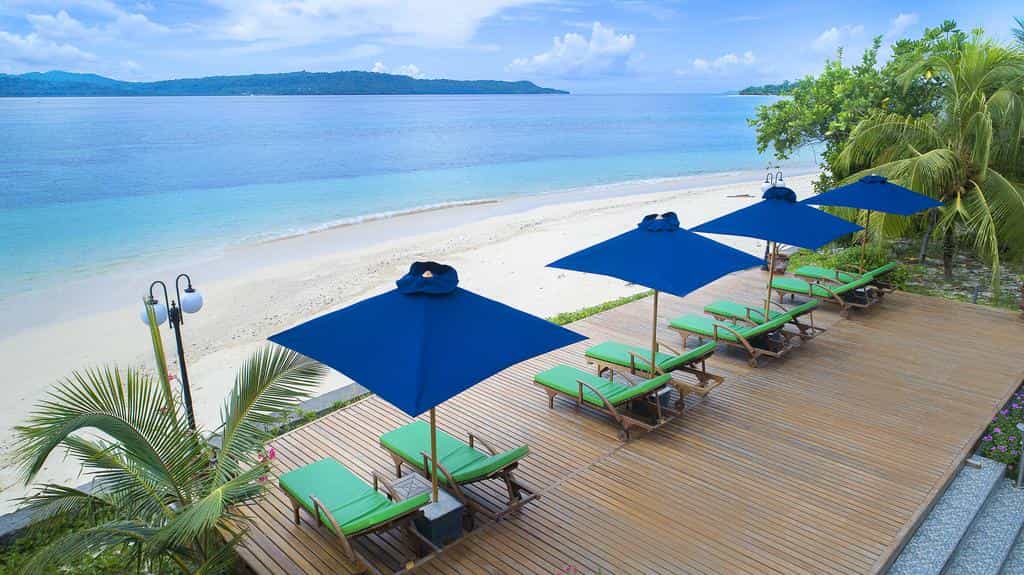
In the current era, especially following the global lockdowns of 2020-2021, the concept of "Revenge Travel" emerged. This period marked a definitive turning point where traveling transitioned from a hobby to a core identity. The chronology of this shift shows a clear trajectory from "annual vacationing" to "full-time nomadism" or "lifestyle traveling," where work and life are integrated into a mobile framework.
Supporting Data on the Experience Economy
Economic data supports the narrative that travel is the primary expenditure for the current working-age demographic. The World Travel & Tourism Council (WTTC) has noted that prior to the pandemic, the travel and tourism sector was outpacing the growth of the global economy for nine consecutive years. Even in the face of inflationary pressures, travel spending has remained resilient.
Furthermore, a study by Expedia found that millennials are the most likely demographic to travel frequently, with an average of 35 days of travel per year. This is significantly higher than previous generations at the same age. The data suggests that this is not merely a trend of "wealthy youth" but a cross-economic movement where travelers are willing to sacrifice daily luxuries—such as dining out or expensive subscriptions—to fund their next expedition. This "budget-conscious but experience-rich" approach defines the lifestyle travel movement.
Psychological and Sociological Implications
Sociologists suggest that the drive toward lifestyle traveling is a response to the "digital fatigue" of the modern workplace. As work becomes increasingly digitized and abstract, the physical reality of trekking a mountain or navigating a foreign market provides a necessary sense of grounding. There is a profound psychological benefit to stepping out of one’s "comfort zone," a theme that is central to the lifestyle travel philosophy.
Experts in behavioral psychology note that the "hedonic treadmill"—the tendency of humans to quickly return to a stable level of happiness after a positive event—is more pronounced with material purchases. A new car provides a spike in happiness that fades within months. In contrast, travel experiences provide "anticipatory utility" (happiness before the trip) and "reminiscence utility" (happiness after the trip). This creates a long-term psychological return on investment that financial assets struggle to match.

Strategic Implementation: How to Adopt the Travel Lifestyle
For those looking to transition from occasional tourists to lifestyle travelers, industry experts and veteran nomads suggest a shift in mindset and logistics. Adopting this lifestyle requires more than just a passport; it requires a structural change in how one interacts with the world.
1. The Psychological Foundation: Courage and Resolve
The primary barrier to entry for lifestyle traveling is the fear of the unknown. Professional travelers emphasize that one must not wait for a "perfect" financial moment to begin. Instead, the focus should be on "surviving with what you have." This involves a commitment to action over contemplation. The shift from a stationary life to a mobile one requires the courage to leave behind the safety net of routine.
2. Fluidity and Strategic Planning
In a professional journalistic context, this is often referred to as "Agile Travel." While traditional tourists rely on rigid itineraries, the lifestyle traveler adopts a flexible framework. Over-planning can lead to missed opportunities for authentic local engagement. By allowing the journey to dictate the pace, travelers can discover "hidden gems" and cultural nuances that are not found in guidebooks. This flexibility also allows for better financial management, as travelers can pivot to more affordable locations or seize last-minute opportunities.
3. Cultural Intelligence and Adaptation
The most critical skill in lifestyle traveling is adaptability. This involves the development of Cultural Intelligence (CQ)—the ability to function effectively across national, ethnic, and organizational cultures. Successful travelers are those who can integrate into local communities, respect diverse traditions, and navigate foreign social structures. This adaptability is not only beneficial for the travel experience but has been identified by global recruiters as a high-value professional trait in the 21st-century workforce.
Economic Impact and Industry Response
The travel industry has been forced to evolve in response to this shift. Airlines are introducing more flexible booking options, and the hospitality sector has seen a surge in "aparthotels" and co-living spaces designed for long-term stays. The rise of the "Digital Nomad Visa" in countries like Portugal, Estonia, and Indonesia is a direct legislative response to the lifestyle travel movement. Governments are recognizing that these travelers contribute significantly to local economies not just through tourism, but through sustained spending and cultural exchange.

Furthermore, the rise of "slow travel"—a subset of lifestyle traveling where individuals stay in one location for weeks or months—has had a positive impact on local sustainability. By staying longer, travelers reduce their carbon footprint per day and provide more stable income to local businesses rather than large international hotel chains.
Fact-Based Analysis of Future Implications
Looking forward, the trend of lifestyle traveling is expected to integrate more deeply with the "Future of Work." As remote work becomes a standard offering for many industries, the distinction between "being on vacation" and "being at home" will continue to blur. This will likely lead to a further decline in traditional homeownership among the younger demographic, as they prioritize liquidity and mobility over fixed assets.
However, this shift also presents challenges. The "gentrification" of popular travel destinations by high-earning nomads has led to rising costs for locals in cities like Mexico City and Lisbon. Analysts predict that the next phase of lifestyle traveling will require a more ethical and sustainable approach, where travelers must balance their personal growth with the socio-economic health of the communities they visit.
Conclusion
The transition toward lifestyle traveling represents a fundamental change in human values in the digital age. By prioritizing the "investment of experience" over the "investment of capital," the current generation is redefining what it means to live a successful life. Through the strengthening of personal resolve, the embrace of flexibility, and the mastery of cultural adaptation, individuals are finding that the world is not a place to be feared, but a vast resource for self-discovery and professional development. As this movement continues to grow, it will undoubtedly reshape the global economy, the nature of work, and the very fabric of international relations, proving that the most valuable currency one can possess is the memory of a journey well-traveled.