Navigating the Perilous Path to Tradition: The Enduring Legacy of Mudik in the Remote Reaches of Banyumas Regency

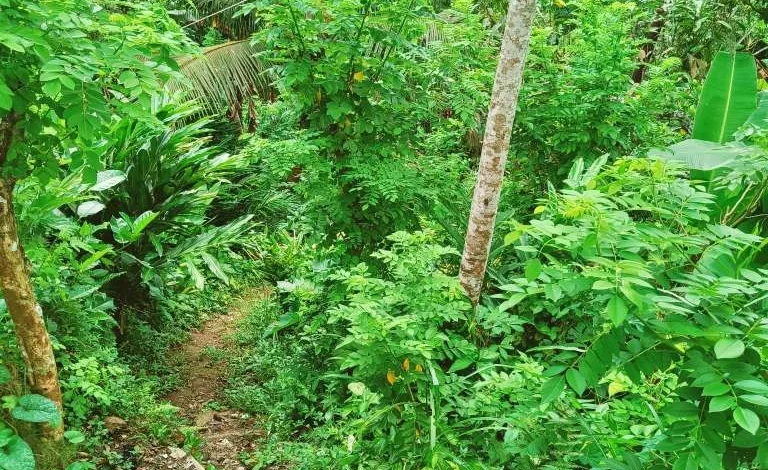
The annual tradition of Mudik, the mass exodus of Indonesians returning to their ancestral homes during the Eid al-Fitr holiday, remains one of the most significant socio-cultural phenomena in the world, serving as a vital bridge between modern urban life and deep-seated rural traditions. In the Banyumas Regency of Central Java, this journey often takes travelers beyond the reach of conventional infrastructure, into the rugged terrain of the Lumbir District. For those whose roots lie in the hamlet of Citunggul, located within Dermaji Village, the homecoming is not merely a social obligation but a high-stakes expedition through a landscape defined by steep ridges, dense forests, and the persistent challenges of geographical isolation. While many Mudik stories focus on the congestion of major toll roads, the reality for those heading to the westernmost fringes of Banyumas involves a different kind of intensity: navigating "igir" (mountain ridges) and precarious slopes that test the limits of both vehicles and drivers.
The Geography of Isolation: Exploring the Lumbir Frontier
The journey to Citunggul begins in the administrative heart of Banyumas, but as one moves westward toward the border of Cilacap Regency, the landscape shifts dramatically. Lumbir is characterized by its hilly topography and significant forest cover, much of which is managed by Perhutani, the state-owned forestry enterprise. Dermaji Village, situated in this district, represents the "Ujung Banyumas" or the edge of the regency. The hamlet of Citunggul specifically requires a two-hour ascent from the more developed areas of the regency, a duration that belies the actual mileage due to the extreme nature of the terrain.
Geographically, the area is part of the South Serayu Mountains, a region known for its complex geological formations and susceptibility to landslides during the monsoon season. For travelers, this means that the final leg of the Mudik journey is often the most dangerous. Public transportation to these remote hamlets is non-existent, forcing families to rely on private vehicles or specialized local transport services. The reliance on "pikap" (open-back trucks) is a common sight during the holiday season, where groups of extended family members sit in the cargo bed, navigating the winding roads with a stoicism born of long-standing familiarity with the landscape.

A Chronology of the Ascent: The Ritual of the Local Driver
The logistical planning for a trip to Citunggul typically involves a crucial transition point upon reaching the base of the Dermaji hills. It is a documented practice among many families to swap drivers once the road begins its steep incline toward the ridges. Even those born in the region who have relocated to cities often find their driving skills insufficient for the "Citunggul climb." This has created a niche role for local expert drivers who understand the nuances of the terrain—when to downshift, how to read the traction of the asphalt, and where the most dangerous blind spots lie.
The ascent is marked by several critical stages:
- The Forest Entrance: The road transitions from village settlements into a corridor of dense vegetation and commercial timber plots.
- The Ridge Climb: Vehicles must navigate "U-turn" style curves on gradients that often exceed 20 degrees. At this stage, the use of the vehicle’s horn is mandatory, serving as a primitive but effective communication system to warn oncoming traffic on roads that are often only wide enough for a single car.
- The Igir (The Spine): Reaching the "igir" or the ridge of the hill provides a brief moment of respite. This area serves as a natural rest stop where travelers can allow their vehicle engines to cool while surveying the panoramic views of the pine-filled ravines below.
- The Descent to the River: The final approach to the hamlet involves a descent toward the river valley. In many cases, the journey by car ends at the riverbank, requiring a final leg on foot across bamboo bridges to reach the ancestral homes.
Socio-Economic Realities and the Aging Village Phenomenon
The demographic profile of hamlets like Citunggul reflects a broader trend seen across rural Central Java. Data from the Central Bureau of Statistics (BPS) suggests a steady migration of the youth from agricultural districts to industrial hubs like Bekasi, Tangerang, or even overseas to countries such as Taiwan, Hong Kong, and Malaysia. This labor migration leaves many Banyumas villages populated primarily by the elderly, who continue to manage the land through traditional means.
The local economy in Dermaji is heavily reliant on two pillars: agriculture and the production of coconut sugar (Gula Jawa). The practice of "nderes"—the dangerous task of climbing tall coconut trees to tap the inflorescence for sap—is a cornerstone of the village’s identity. During the Mudik season, the return of the younger generation brings a temporary economic surge to these areas, but it also highlights the stark contrast between the lives of the migrants and those who stayed behind. The elders, often seen wearing "caping" (traditional conical hats) and carrying bamboo baskets, maintain a lifestyle that has changed little in decades, centered around the "pawon" (wood-fired stove) and the "blumbang" (fish pond).

Cultural Anchors: Sintren, Ebeg, and the Preservation of Identity
Despite its isolation, the Lumbir district is a bastion of traditional Javanese arts. For returning migrants, the Mudik experience is often synchronized with local performances of Ebeg (a form of horse dance similar to Kuda Lumping) and Sintren. Sintren is a traditional dance steeped in mysticism, involving a dancer who is placed inside a large chicken cage only to emerge in elaborate costume, supposedly through supernatural intervention.
These cultural displays are more than mere entertainment; they are essential rituals that reinforce the connection between the diaspora and their homeland. Local community leaders in Dermaji have historically used these festivals to maintain social cohesion. By hosting these events during Eid al-Fitr, the village ensures that the younger generation remains tethered to their cultural heritage, even as they spend most of the year in modernized urban environments.
Infrastructure Challenges and Official Responses
The difficulty of the journey to Citunggul raises significant questions regarding rural infrastructure development in Indonesia. While the national government under the "Nawacita" program has prioritized connectivity, "last-mile" infrastructure in mountainous regions like Banyumas remains a challenge. Local officials in the Banyumas Regency government have noted that maintaining roads in landslide-prone areas like Lumbir requires significant budgetary allocation, often competing with the needs of more densely populated urban centers.
In recent years, Dermaji Village has gained national attention for its "Digital Village" initiatives, using technology to manage village administration and transparency. However, as the Mudik experience proves, digital connectivity cannot replace physical infrastructure. Statements from the Ministry of Transportation during the holiday season emphasize "Safety First," particularly in mountainous regions where "rem blong" (brake failure) is a leading cause of accidents. For the residents of Citunggul, the seasonal return of their kin is a reminder to the authorities that the "fringe" areas of the regency require more than just digital portals; they require safe, reliable physical passage.

Analysis of Implications: The Future of the Remote Mudik
The persistence of the Mudik tradition to remote areas like Citunggul, despite the physical dangers and the lack of amenities, underscores a deep psychological need for "pulang kampung" (returning home). This ritual serves as a reset for the millions of workers who face the pressures of urban competition. The "re-greening" of the soul—achieved through simple acts like fishing in a "blumbang" or eating food cooked over a "pawon"—is a powerful motivator that outweighs the fear of steep ravines or the lack of cellular signal.
However, there is a looming concern regarding the sustainability of these remote hamlets. As the elderly population passes away, there is a risk that the physical structures of these ancestral homes will be abandoned, turning vibrant hamlets into "ghost villages." The Mudik of today may be the only thing keeping the heritage of places like Citunggul alive.
The environmental aspect also cannot be ignored. The "friendship" between humans and nature mentioned by locals—where rivers were once clean and fish were abundant—is under threat from deforestation and changing climate patterns. Ensuring that these remote areas remain habitable and accessible is crucial not just for the tradition of Mudik, but for the ecological and cultural diversity of the Banyumas Regency.
In conclusion, the journey to the western edge of Banyumas is a microcosm of the Indonesian experience: a blend of high-tech aspiration and ancient tradition, of economic migration and an unbreakable bond to the soil. As the klaxon horns echo through the pine forests of Lumbir each year, they signal more than just a passing car; they announce the return of a people who refuse to let their origins be forgotten, no matter how steep the road or how deep the ravine. Every longing, as the local saying goes, will eventually find its way home.