Yamatokobo Unveils Matcha Setta Traditional Japanese Sandals Dyed with Authentic Uji Green Tea Powder

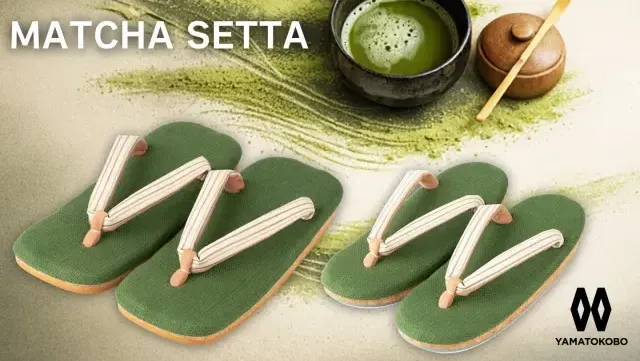
In an era where the global fascination with matcha has transcended the culinary world and entered the realms of lifestyle and fashion, a prominent Japanese footwear manufacturer has introduced a groundbreaking innovation that merges traditional craftsmanship with botanical science. Yamatokobo, a distinguished footwear specialist based in Nara Prefecture, has officially launched the "Matcha Setta," a modern iteration of the traditional Japanese sandal that utilizes authentic green tea powder as a natural pigment. This development marks a significant milestone in the integration of sustainable dyeing practices and the preservation of Japan’s artisanal heritage.
The Matcha Setta, which was officially released to the public on April 7, 2026, represents a collaborative effort to honor the aesthetic and functional qualities of Japanese tea culture. By utilizing high-grade matcha sourced from the historic Uji region of Kyoto, Yamatokobo has created a product that offers more than just a unique visual appeal; the sandals incorporate the inherent biological properties of the tea leaf, providing natural benefits that synthetic alternatives cannot replicate.
A Convergence of Regional Craftsmanship and Modern Innovation
The creation of the Matcha Setta is a testament to the synergy between three distinct regions of Japan, each renowned for a specific craft. Nara, where Yamatokobo is headquartered, has long been recognized as a historical center for footwear production. Kyoto, specifically the Uji district, is globally acclaimed for producing the finest green tea. Meanwhile, the Niigata Prefecture contributes its legendary textile expertise through the use of Ojiya Chijimi fabric.
The primary innovation lies in the dyeing process. Traditionally, footwear dyes rely on chemical pigments to achieve vibrant colors. However, the Matcha Setta utilizes finely ground Uji matcha as a natural coloring agent. This results in a deep, organic green hue that is both sophisticated and evocative of the Japanese landscape. According to technical reports from the manufacturer, the use of genuine tea powder ensures that the color remains rich while evolving gracefully over time, much like the patina on high-quality leather.
Technical Specifications and Material Composition
Yamatokobo has engineered the Matcha Setta to meet contemporary standards of durability and comfort without sacrificing traditional aesthetics. The construction of the sandal is divided into three primary components: the footbed, the sole, and the thong (hanao).
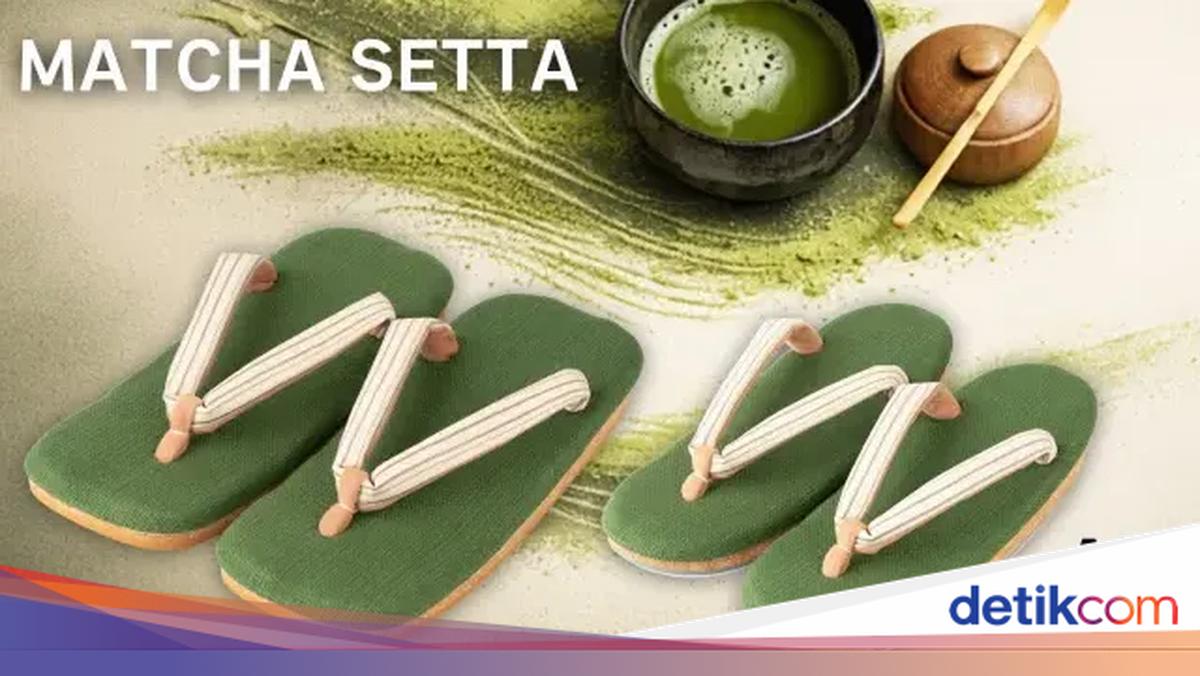
- The Footbed: The surface upon which the foot rests is crafted from a meticulously balanced blend of cotton and hemp fibers. This combination was selected for its moisture-wicking capabilities and breathability, which are essential for maintaining foot hygiene in humid climates.
- The Sole: Unlike ancient setta that featured iron plates or simple leather, the Matcha Setta utilizes a hybrid sole. It combines natural cork for shock absorption with synthetic rubber for enhanced grip and longevity. This design ensures that the sandals are suitable for modern urban environments, providing stability on paved surfaces.
- The Hanao (Straps): The straps are arguably the most culturally significant part of the sandal. They are made from Ojiya Chijimi, a traditional hemp crepe fabric from the Ojiya region of Niigata Prefecture. Ojiya Chijimi is designated as an Intangible Cultural Heritage by UNESCO. The fabric undergoes a specialized process involving high-temperature water treatment that creates a distinctive wrinkled texture. This texture is functional; it prevents the fabric from sticking to the skin, ensuring a cool and comfortable fit during the peak of summer.
Scientific Validation: The Antibacterial Efficacy of Matcha
One of the most compelling aspects of the Matcha Setta is its scientifically verified functional benefits. Matcha is naturally rich in catechins, which are polyphenols known for their potent antioxidant and antibacterial properties. To substantiate the claims of health benefits, Yamatokobo submitted the matcha-dyed materials for rigorous laboratory testing.
The results of the antibacterial tests focused on Staphylococcus aureus, a common bacterium responsible for foot odors and various skin infections. In standardized antibacterial testing, a value of 2.0 is generally considered the benchmark for effective antibacterial activity. The Matcha Setta achieved a significantly higher rating of 3.1. This data confirms that the infusion of real matcha powder creates a hostile environment for bacterial growth, making the sandals a hygienic choice for daily wear. This functional advantage positions the product not just as a fashion statement, but as a wellness-oriented innovation in the footwear industry.
Historical Context and the Evolution of Setta
To understand the significance of this release, one must look at the history of the setta. Traditionally, setta are a variation of the zori sandal, characterized by a thin sole and often a layer of leather on the bottom to prevent water from soaking through. They were popularized during the Edo period and were favored by tea masters and fashion-conscious urbanites for their sleek profile and durability.
Yamatokobo’s decision to revisit this traditional silhouette with a matcha-infused twist reflects a broader trend in Japan known as "Neo-Traditionalism." This movement seeks to revitalize aging industries by applying modern technology or contemporary design elements to ancient crafts. By incorporating UNESCO-recognized textiles and world-class tea, Yamatokobo is effectively marketing a piece of Japanese cultural history to a global audience that values authenticity and sustainability.
Market Reception and Pricing Strategy
The launch of the Matcha Setta has been met with enthusiasm from both domestic and international consumers. Market analysts suggest that the product appeals to several demographics: "Matcha enthusiasts" who collect tea-related memorabilia, "Slow Fashion" advocates who prefer natural dyes and artisanal construction, and "Gorpcore" fashionistas who have recently embraced traditional Japanese silhouettes in modern streetwear.
The pricing reflects the premium nature of the materials and the labor-intensive production process:
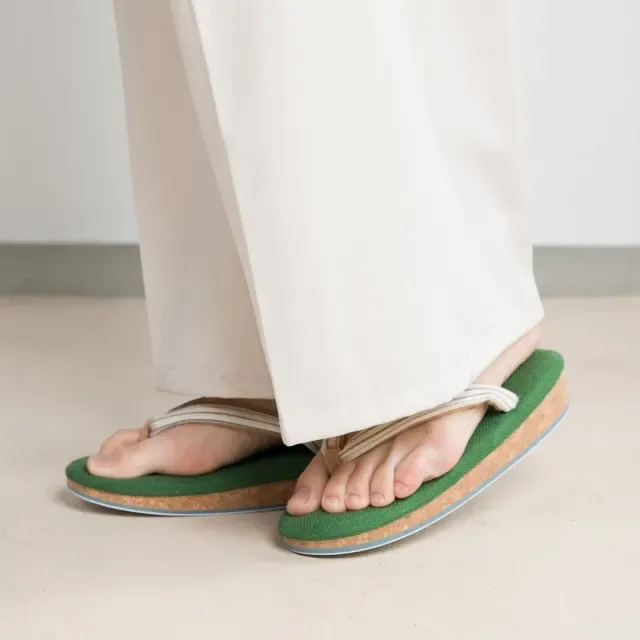
- Men’s Model: Priced at 12,980 yen (approximately IDR 1.4 million). It is available in three standard sizes, designed with a flat, sturdy profile typical of masculine setta styles.
- Women’s Model: Priced at 12,650 yen (approximately IDR 1.3 million). This version features a 3.5-centimeter heel, providing a slight lift that aligns with modern footwear preferences while maintaining the traditional aesthetic.
The products are currently available through Yamatokobo’s official digital storefront. Given the limited nature of Ojiya Chijimi production and the specialized dyeing process, industry insiders expect the sandals to be produced in small batches, further enhancing their status as a "functional luxury" item.
Broader Implications for Sustainable Fashion
The introduction of the Matcha Setta arrives at a critical juncture for the global fashion industry, which is increasingly under pressure to reduce its environmental footprint. Synthetic dyes are a major source of water pollution globally. The success of Yamatokobo’s matcha-dyeing process offers a blueprint for how food-grade waste or natural agricultural products can be repurposed into high-value industrial dyes.
Furthermore, the project highlights the importance of preserving "at-risk" crafts. The production of Ojiya Chijimi, for instance, requires specific climatic conditions—including the "Yuki-sarashi" process where fabric is bleached on top of snow—and a shrinking workforce of skilled weavers. By integrating this fabric into a commercially viable and trendy product like the Matcha Setta, Yamatokobo provides a necessary economic stimulus to the artisans of Niigata and Nara.
Conclusion: A Step Toward the Future of Tradition
The Matcha Setta by Yamatokobo is more than a novelty item; it is a sophisticated intersection of ethnobotany, textile engineering, and cultural storytelling. By leveraging the antibacterial properties of Kyoto’s Uji matcha and the structural integrity of Niigata’s Ojiya Chijimi, the company has created a product that addresses modern needs for hygiene and comfort while honoring centuries of Japanese tradition.
As consumers continue to move away from fast fashion in favor of items with a clear provenance and functional benefits, products like the Matcha Setta are likely to gain further prominence. This release underscores the potential of traditional Japanese crafts to remain relevant in the 21st century through thoughtful innovation and scientific validation. Whether used by a tea practitioner in Kyoto or a fashion enthusiast in a global metropolis, the Matcha Setta stands as a symbol of how the past can be elegantly re-imagined for the future.