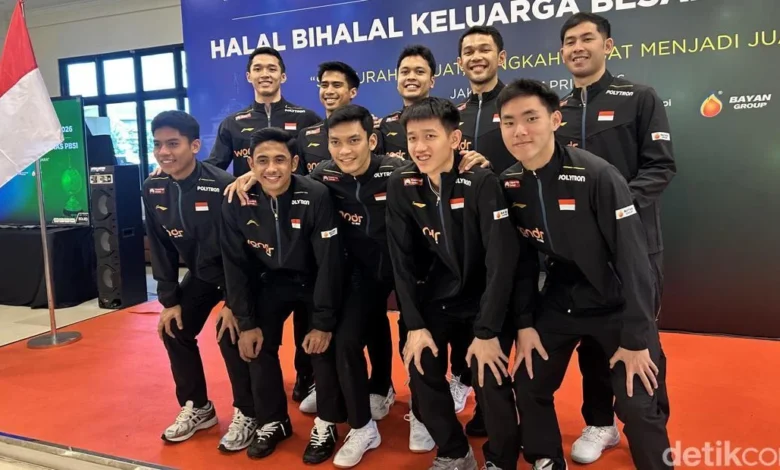
The international badminton community is abuzz with anticipation as the prestigious Thomas Cup and Uber Cup 2026 are set to take place from April 24th to May 3rd, 2026. This quadrennial team badminton championship, often regarded as the pinnacle of team competition in the sport, will be hosted in Horsens, Denmark, a nation with a rich badminton heritage. Indonesia, a perennial contender and a nation deeply invested in the sport’s success, is gearing up to field its strongest squads in both the men’s (Thomas Cup) and women’s (Uber Cup) events. The Indonesian teams arrive at this crucial tournament with the weight of expectation, especially after achieving runner-up status in the previous edition of the Thomas Cup, underscoring their sustained presence at the elite level.
This year’s edition marks the 34th staging of the Thomas Cup and the 31st for the Uber Cup, a testament to their enduring legacy and global appeal. A total of 16 national teams will compete in each of the men’s and women’s tournaments, a format that guarantees intense competition from the outset. The teams will first navigate a rigorous group stage, followed by a high-stakes knockout phase culminating in the grand finals. Indonesia’s journey to Denmark follows their participation and performance in the 2026 Asian Badminton Championships, providing a final tune-up and competitive assessment before they face the world’s best.
Group Stage Draw and Format
The draw for the group stages has set the initial path for the Indonesian contingent. In the Thomas Cup, the Indonesian men’s team has been placed in Group D. Their opponents in this initial phase will be Thailand, France, and Algeria. This grouping presents a diverse set of challenges, with Thailand being a consistent force in Asian badminton, and France having shown considerable progress in European badminton in recent years. Algeria, while perhaps a less formidable opponent on paper, will undoubtedly be eager to make their mark on the global stage.
The Indonesian women’s team, competing for the Uber Cup, finds itself in Group C. Their adversaries in the group stage are Taiwan, Canada, and Australia. Taiwan has emerged as a significant player in international badminton, boasting strong individual talent that translates well into team performance. Canada and Australia, representing the Pan Am and Oceania confederations respectively, will be looking to upset the established order and advance to the knockout rounds.
The group stage of both tournaments will operate under a round-robin system. This format ensures that each team within a group plays against every other team. The top two nations from each of the respective groups will then progress to the quarter-finals. From this point onwards, the tournaments will adopt a single-elimination knockout format, where a single loss spells elimination, intensifying the pressure and drama as the competition progresses towards the ultimate showdowns.
Indonesia’s Ambitions and Past Performances
The Indonesian Badminton Association (PBSI) has set clear yet ambitious targets for its teams. For the Thomas Cup squad, the objective is to reach the final, a testament to the high caliber of players and the team’s pedigree in the tournament. The Uber Cup team, meanwhile, has been tasked with achieving a semi-final berth. These targets reflect a strategic approach, acknowledging the strength of the competition while also pushing the teams to their maximum potential.
Indonesia’s history in the Thomas Cup is nothing short of spectacular. They hold the record for the most titles, having lifted the coveted trophy an impressive 14 times. Their last victory came in 2002, and since then, they have consistently been among the top contenders, with several runner-up finishes, including the most recent one. This rich legacy fuels the current generation’s determination to reclaim the title.
The Uber Cup, while not having the same sheer number of titles for Indonesia as the Thomas Cup, still represents a significant achievement. Indonesia has secured the Uber Cup six times, with their last triumph in 1994. Similar to the men’s team, the women’s squad has also demonstrated its capability to reach the latter stages of the competition, making a semi-final target a realistic aspiration.
Strategic Importance of the Thomas and Uber Cup
The Thomas and Uber Cup are more than just tournaments; they are national pride events that captivate sports enthusiasts across Indonesia. The nation’s passion for badminton is deeply ingrained, and success in these championships brings immense joy and national celebration. The performance of the national teams in these events often inspires a new generation of young athletes, fostering the continued growth and development of the sport within the country.
The strategic importance of the Thomas and Uber Cup extends beyond national prestige. For the players, it is an unparalleled opportunity to test their mettle against the best in a team environment, fostering camaraderie, resilience, and strategic thinking. The pressure of representing one’s country on such a grand stage hones their mental fortitude, a crucial aspect of any elite athlete’s development. Furthermore, strong performances can significantly impact individual player rankings and attract sponsorships, providing vital financial support for their careers.
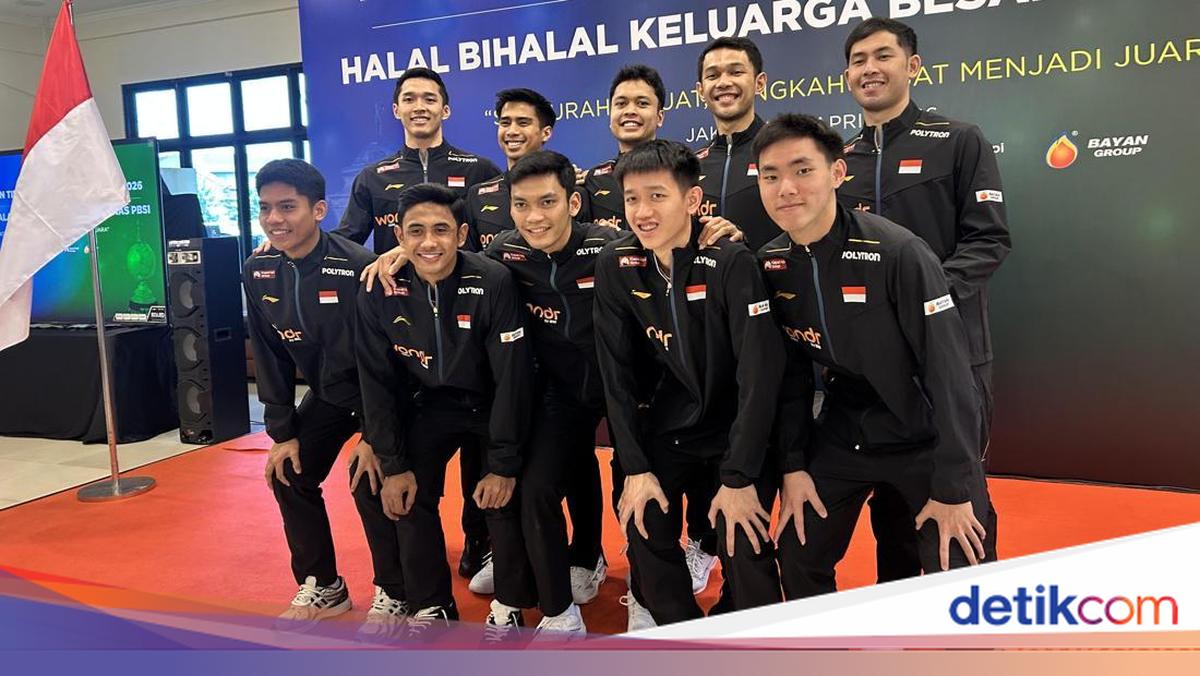
The tournament also serves as a crucial barometer for the global badminton landscape. The performances of various nations highlight emerging talents and evolving strategies, offering insights into the future direction of the sport. Denmark, as the host nation, has a vested interest in the success of the event, aiming to showcase its commitment to badminton and provide a memorable experience for athletes and fans alike. Horsens, a city with a strong sporting tradition, is expected to provide a vibrant atmosphere for this significant international event.
Indonesia’s Squad Selection and Expectations
While the specific player rosters for the 2026 Thomas and Uber Cup have not been fully detailed in the provided information, the selection process is always a critical factor. PBSI typically aims to balance experienced stalwarts with promising young talent, creating a formidable and dynamic team capable of handling the intense demands of a major championship.
For the Thomas Cup, key players in singles and doubles will be crucial. Indonesia’s strength in doubles, historically, has been a significant advantage. The ability of the doubles pairs to secure wins and the singles players to consistently perform under pressure will be paramount. The team’s depth will also be tested, as the round-robin format and knockout stages demand consistent performance across multiple matches and potentially multiple disciplines within each tie.
In the Uber Cup, the women’s team will rely on strong singles performances and competitive doubles pairings. The development of world-class female badminton players in Indonesia is an ongoing effort, and the Uber Cup presents a platform for them to shine and gain invaluable international experience. The target of reaching the semi-finals suggests a belief in the current crop of players’ ability to challenge established powers.
The image provided within the original content, depicting the Chairman of PP PBSI, M. Fadil Imran, highlights the organizational commitment and strategic planning involved. His stated "realistic targets" for the Thomas Cup (final) and Uber Cup (semi-final) underscore a pragmatic approach to team management and performance expectation. This measured optimism is crucial for maintaining focus and preventing undue pressure on the athletes.
Journey Through the Tournament: A Chronological Outlook
The tournament’s schedule, commencing on April 24th, 2026, will see the group stages unfold over several days. The initial matches on April 24th will set the tone for the entire competition. Subsequent group matches on April 25th and April 26th will determine the standings within each group.
Following the conclusion of the group stage, a brief respite will likely precede the commencement of the knockout rounds. The quarter-finals will be crucial, determining which teams have successfully navigated the initial phase and are now on a collision course for the semi-finals. The semi-finals, scheduled for April 28th, will be intensely fought, with the winners advancing to the grand finale.
The final matches of both the Thomas and Uber Cup are typically held on consecutive days, building anticipation towards the ultimate conclusion of this prestigious event. The exact dates for the finals would follow the progression of the knockout stages, culminating in the crowning of the 2026 World Champions in men’s and women’s team badminton.
Broader Implications and Future Outlook
The Thomas and Uber Cup 2026 in Denmark holds significant implications for the sport of badminton. For Indonesia, a strong showing would not only bolster national pride but also reaffirm its status as a global badminton powerhouse. It would inspire domestic participation, potentially leading to increased investment in grassroots development and infrastructure.
For the players involved, the tournament is a career-defining event. Success can elevate their profiles, open doors to new opportunities, and solidify their legacy in the sport. The experience gained from competing at this level is invaluable, shaping them into more resilient and accomplished athletes.
The hosting of the event by Denmark also underscores the sport’s global reach and its ability to unite nations through competition. The organization of such a large-scale event requires meticulous planning and execution, and Horsens will be under the spotlight as it prepares to welcome the world’s best badminton players. The success of the 2026 edition will undoubtedly contribute to the ongoing growth and popularity of badminton worldwide, inspiring future generations of players and fans alike. The commitment from national federations like PBSI, setting clear objectives and supporting their athletes, is fundamental to maintaining the sport’s competitive spirit and rich tradition.