Merpati Nusantara Airlines’ Lingering Severance Debt: A Deep Dive into the Post-Bankruptcy Predicament Affecting 1,225 Ex-Employees

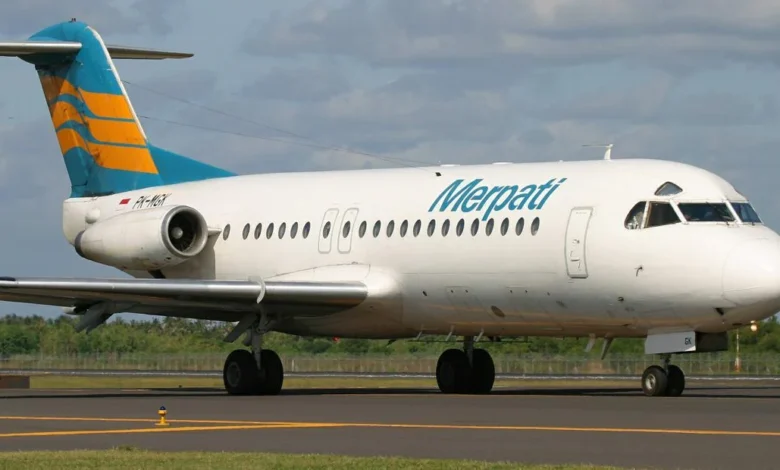
The unresolved severance pay obligations for 1,225 former employees of PT Merpati Nusantara Airlines (MNA) continue to cast a long shadow over the defunct state-owned carrier, nearly two years after its official bankruptcy declaration by the Surabaya District Court in 2022. Despite the legal finality of its insolvency, only a fraction – specifically 20% – of the total severance due has been disbursed, leaving a vast majority of ex-workers in financial limbo. The Ministry of Manpower (Kemnaker) has highlighted a severe imbalance between the airline’s remaining assets and its colossal debt as the primary impediment, calling for increased transparency and concerted efforts from all parties involved.
Director-General of Industrial Relations and Social Security for Manpower Development at the Ministry of Manpower, Indah Anggoro Putri, articulated the dire situation, stating that while outstanding wages prior to the bankruptcy were settled by the curator, the issue of severance remains largely unresolved. The crux of the problem lies in the staggering disparity between MNA’s total liabilities, which amount to an estimated Rp 11.3 trillion (approximately USD 725 million), and its virtually depleted asset base. A staggering 95% of the airline’s assets have already been liquidated in an attempt to meet its various obligations, yet the remaining assets are minimal, valued at a mere Rp 2 billion (approximately USD 128,000), and even these are proving exceptionally difficult to monetize.
The Fall of a National Icon: A Background Context
To fully grasp the complexity of the current situation, it is crucial to understand the tumultuous history that led to Merpati Nusantara Airlines’ downfall. Established in 1962, MNA was initially envisioned as a pivotal state-owned enterprise (SOE) dedicated to developing air transportation in Indonesia’s remote and pioneering regions. For decades, it served as a lifeline for communities across the vast archipelago, connecting islands and facilitating economic growth. However, by the early 2000s, MNA began to face insurmountable challenges characteristic of many legacy carriers in a rapidly liberalizing and competitive aviation market.
The airline struggled with an aging fleet, high operational costs, and intense competition from newer, more agile private airlines. Persistent financial mismanagement, coupled with allegations of corruption and a lack of decisive restructuring efforts, exacerbated its woes. Despite multiple attempts at government bailouts and rehabilitation programs throughout the 2000s and early 2010s, MNA’s financial health continued to deteriorate. Its debt accumulated rapidly, encompassing liabilities to fuel suppliers, aircraft lessors, banks, and its substantial workforce. By 2014, the airline ceased all flight operations, effectively grounding its fleet and leaving thousands of employees uncertain about their future. This operational halt marked the beginning of a prolonged and painful process towards formal insolvency.
A Detailed Chronology of Decline and Bankruptcy
The path from operational cessation to bankruptcy was protracted and fraught with legal and financial complexities, significantly impacting its workforce.
- 2014: Operational Halt and Initial Employee Impact. Merpati Nusantara Airlines officially ceased all flight operations due to overwhelming debt and an inability to secure working capital. This immediate cessation left thousands of employees without a clear path forward, marking the initial phase of their struggle for entitlements.
- 2016-2021: Prolonged Uncertainty and Restructuring Attempts. Following the operational halt, MNA entered a period of administrative and legal limbo. Various attempts were made by the government, primarily through the Ministry of State-Owned Enterprises (BUMN), to find a strategic investor or devise a comprehensive restructuring plan. However, none of these efforts bore fruit, largely due to the massive accumulated debt and the diminishing value of its assets. During this time, former employees began to organize, seeking clarity on their rights and demanding overdue wages and severance.
- 2020: Court-Supervised Debt Restructuring (PKPU). In a bid to avoid outright bankruptcy, MNA entered a Suspension of Debt Payment Obligations (Penundaan Kewajiban Pembayaran Utang or PKPU) process. This legal mechanism allowed for a court-supervised period for MNA to negotiate a debt settlement plan with its creditors. While some progress was made on certain liabilities, a comprehensive agreement that satisfied all creditors, particularly the large number of employees, proved elusive.
- 2022: Formal Bankruptcy Declaration. After the failure of the PKPU process to achieve a viable resolution, the Surabaya Commercial Court officially declared PT Merpati Nusantara Airlines bankrupt. This declaration legally triggered the liquidation process, and a curator was appointed to manage the sale of assets and distribution of proceeds to creditors according to the hierarchy established by law. This was a critical turning point for the ex-employees, as their claims would now be handled through the bankruptcy estate.
- Post-2022: Asset Liquidation and Initial Severance Payments. The appointed curator began the arduous task of identifying, valuing, and liquidating MNA’s remaining assets. It was during this period that the 20% severance payment was made to the 1,225 ex-employees, indicating some initial success in asset realization. However, subsequent efforts have stalled due to the nature of the remaining assets.
- February 25, 2024: Kemnaker’s Audiensi with the Curator. The Ministry of Manpower held an official meeting with the curator to discuss the ongoing impasse regarding the outstanding severance pay. During this audiensi, the curator reportedly set a new target for full resolution by 2027, acknowledging the profound difficulties in monetizing the remaining assets. This meeting brought the issue back into the public spotlight and underscored the government’s concern.
The Dire Financial Predicament: A Deeper Look at Assets and Liabilities
The financial chasm between MNA’s obligations and its recoverable assets is the primary driver of the current deadlock. The total debt of Rp 11.3 trillion is a staggering figure for a defunct airline. This sum represents a complex web of liabilities, including:
- Employee Claims: Unpaid severance for 1,225 individuals forms a significant portion, though not the entirety, of this debt. Under Indonesian bankruptcy law, employee claims for wages and severance typically receive a high priority, often ranking above unsecured creditors.
- Creditors: A myriad of creditors, including banks, aircraft lessors, fuel suppliers (such as Pertamina), maintenance providers, and other operational partners, are owed substantial amounts. Many of these entities have likely written off their losses or are awaiting the outcome of the liquidation process.
- Government Entities: Given its status as an SOE, MNA also had obligations to various government bodies or state-owned banks that had extended loans or guarantees over the years.
In stark contrast to this mountain of debt, the available assets for liquidation are minimal. As Indah Anggoro Putri confirmed, 95% of MNA’s initial assets have already been sold. These would have included:
- Aircraft: While MNA’s fleet was aging, any operational aircraft or parts would have been among the first assets to be liquidated.
- Property: Headquarters buildings, maintenance facilities, and other real estate holdings.
- Equipment: Ground support equipment, office furniture, and other movable assets.
- Receivables: Outstanding payments owed to MNA, though likely difficult to collect for a bankrupt entity.
The remaining 5% of assets, valued at just Rp 2 billion, present an almost insurmountable challenge. Specifically, assets located in Jayapura and Biak in Eastern Indonesia have been identified as problematic. "Assets in Jayapura and Biak cannot yet be executed or sold, because the cost of sale is greater than the value of the asset itself," Putri explained. This scenario highlights a common difficulty in bankruptcy proceedings, especially in geographically challenging regions: the administrative, logistical, and legal costs associated with selling certain assets can outweigh the potential revenue generated. For instance, transporting potential buyers to remote sites, legal fees for title transfer, and marketing efforts can quickly erode the meager value of such assets. This effectively renders these assets "illiquid" in a practical sense, despite their theoretical existence on paper.
Official Responses and Calls for Intervention
The Ministry of Manpower has taken a proactive stance in advocating for the ex-employees, reflecting the government’s social responsibility towards its citizens, particularly those affected by the failure of a state-owned enterprise. Indah Anggoro Putri’s statements underscore a blend of concern and a pragmatic approach to finding solutions.
-
Kemnaker’s Recommendations: During the February 25 audiensi, Kemnaker conveyed several key recommendations to the curator. Firstly, they emphasized the critical need for "transparency" with the former workers. The long waiting period and the complex legal nature of bankruptcy can breed distrust and frustration. Clear, consistent communication from the curator about the progress of asset sales, the challenges faced, and the realistic timeline for resolution is essential to manage expectations and maintain confidence among the affected employees. Secondly, Kemnaker suggested that the advocacy team representing the ex-employees coordinate with the Ministry of State-Owned Enterprises (Kementerian BUMN) and the Financial Services Authority (OJK) to explore further solutions.
-
The Curator’s Perspective and Timeline: While not directly quoted, the curator’s commitment to resolving the issue by 2027 indicates an acknowledgment of the complexity and the time required to navigate the remaining legal and logistical hurdles. This extended timeline, however, also reflects the deep-seated challenges posed by the illiquid assets and the sheer scale of the outstanding debt relative to the remaining funds. The curator is legally bound to act in the best interest of all creditors within the framework of bankruptcy law, which often prioritizes an orderly and fair distribution of limited assets.
-
Potential Role of Ministry of BUMN and OJK: The involvement of the Ministry of BUMN is crucial because MNA was a state-owned entity. Historically, the Ministry was responsible for its oversight and any attempts at revitalization. Even in bankruptcy, the government may feel a moral or social obligation to assist its former employees, particularly if the initial failures were partly attributed to state management or policy. The Ministry could potentially explore options for a government-backed fund or a special intervention to cover the outstanding severance, considering the social impact. The Financial Services Authority (OJK), while primarily regulating financial institutions, could be involved in discussions about the broader financial implications, potential debt restructuring for other creditors, or even in facilitating discussions with state-owned banks that might have been MNA creditors. Their inclusion suggests a search for a more comprehensive, multi-sectoral solution beyond standard bankruptcy procedures.
Broader Impact and Implications
The protracted saga of MNA’s severance payments carries significant implications that extend beyond the immediate financial distress of its former employees.
- Humanitarian and Social Impact: For the 1,225 ex-employees and their families, the delay in receiving severance has meant years of financial hardship, stress, and uncertainty. Many would have relied on this payout as a crucial safety net for retirement, starting new businesses, or simply sustaining their families. The "false hope" concern raised by Kemnaker is poignant, highlighting the psychological toll of continuous waiting and shifting timelines. This case serves as a stark reminder of the human cost when large state-owned enterprises fail.
- Precedent for State-Owned Enterprise Management: The MNA case sets a precedent for how the Indonesian government handles the bankruptcy of its SOEs. It underscores the inherent tension between the commercial viability of state enterprises and their social obligations, particularly concerning employee welfare. The ultimate resolution will influence public perception of government accountability and the effectiveness of its SOE management strategies. It might also prompt a re-evaluation of exit strategies for struggling SOEs to ensure a more humane and efficient process for affected workers.
- Effectiveness of Bankruptcy Law: The difficulties encountered in liquidating MNA’s remaining assets, particularly those in remote locations, highlight the practical challenges within Indonesia’s bankruptcy legal framework. While the law provides a structure for liquidation, real-world constraints such as low asset value, high sales costs, and bureaucratic hurdles can impede efficient resolution. This case might lead to discussions about legislative or procedural reforms to streamline asset monetization in complex bankruptcy cases, especially those involving SOEs.
- Investor Confidence: While not directly related to international investors, the handling of such a large-scale bankruptcy involving significant employee claims can subtly influence domestic and international confidence in Indonesia’s legal and business environment. A fair and transparent resolution, even if delayed, is crucial for maintaining trust in the system.
- Economic Impact on the Aviation Sector: The collapse of MNA removed a significant player from Indonesia’s domestic aviation market, particularly in regional routes. While other airlines have stepped in, the overall incident highlighted the intense competition and financial pressures within the industry, particularly for carriers serving less profitable routes.
Potential Solutions and Future Outlook
Given the complexities, a multifaceted approach is likely required to fully resolve the MNA severance issue.
- Government Intervention: A direct government intervention, perhaps in the form of a special fund or a social welfare package, could be the most direct route to fully compensating the former employees. Such a move would acknowledge the state’s historical responsibility for MNA.
- Creative Asset Monetization: The curator, in coordination with Kemnaker, Ministry of BUMN, and OJK, might explore innovative ways to monetize the problematic assets in Jayapura and Biak. This could involve partnerships with local governments, specialized asset management firms, or even a re-evaluation of their intrinsic value within a broader regional development plan.
- Legal Recourse: While the bankruptcy process is ongoing, former employees might explore further legal avenues if the 2027 timeline proves unrealistic or if transparency remains an issue. Collective legal actions or appeals to higher courts could be considered.
- Inter-Ministerial Coordination: The call for coordination between Kemnaker, Ministry of BUMN, and OJK is vital. A unified front from government agencies, pooling resources and expertise, is more likely to yield a comprehensive and sustainable solution.
The case of PT Merpati Nusantara Airlines and its outstanding severance payments is more than just a financial dispute; it is a poignant reminder of the human impact of corporate failure and the intricate challenges of unwinding a large, state-owned enterprise. As the 2027 deadline looms, the eyes of 1,225 former employees, and indeed the nation, will be fixed on the actions of the curator and the government, hoping for a final, just resolution to a decade-long struggle.