US and Iran Prepare for High Stakes Negotiations in Islamabad as Naval Blockade Intensifies Regional Tensions and Energy Supply Risks

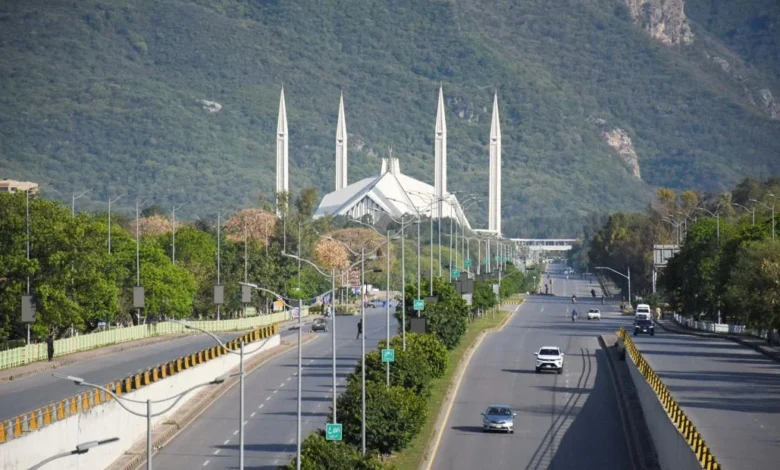
Diplomatic representatives from the United States and Iran are scheduled to convene in Islamabad, Pakistan, later this week to resume high-level negotiations aimed at de-escalating a rapidly deteriorating military and economic conflict. Despite the implementation of a rigorous naval blockade of Iranian ports by the United States military, officials from both nations have signaled a willingness to return to the bargaining table in an effort to prevent a full-scale regional war. The talks, which are expected to begin as early as Friday, represent a critical window for diplomacy as the global community watches the escalating brinkmanship in the Persian Gulf with increasing alarm.
Sources familiar with the diplomatic arrangements indicated on Tuesday, April 14, 2026, that a formal proposal has been circulated to both Washington and Tehran, urging a return to neutral ground in Pakistan. This development comes at a moment of extreme friction; while Tehran’s rhetoric remains defiant in the face of U.S. economic and military pressure, the underlying willingness to send a delegation suggests that the Iranian leadership may be seeking a functional exit strategy from the current impasse. A senior Iranian official confirmed that while a precise start date has not been finalized, the Iranian delegation has cleared its schedule for a Friday-to-Sunday window to facilitate the talks.
The Genesis of the 2026 Maritime Crisis
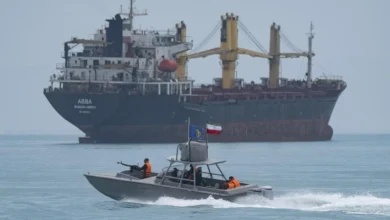
The current conflict traces its roots back to February 28, 2026, when a series of escalations involving U.S. and Israeli interests led to a sharp military pivot by the Islamic Republic. In a move that sent shockwaves through global energy markets, Iran effectively seized control of the Strait of Hormuz, the world’s most vital maritime chokepoint. Citing national security concerns, Tehran declared that the strait would be closed to all traffic except for its own vessels and those granted specific permission under Iranian naval escort.
The Iranian government further complicated the situation by imposing "transit fees" and asserting total regulatory control over a waterway that international law generally recognizes as an international strait. This move was not merely symbolic; it targeted the jugular of the global economy. Historically, nearly one-fifth of the world’s total consumption of liquid petroleum and a significant portion of its liquefied natural gas (LNG) pass through the 21-mile-wide passage between Oman and Iran. The closure led to an immediate spike in global oil prices and a logistical nightmare for shipping companies, who were forced to consider the costly alternative of rerouting vessels around the Cape of Good Hope.
U.S. Response and the Implementation of the Port Blockade
In direct retaliation for the closure of the Strait of Hormuz, the United States military initiated a comprehensive blockade of Iranian ports on Monday, April 13, 2026. The objective of the U.S. mission is to sever Iran’s ability to export its own resources while it continues to obstruct the free flow of international commerce. By blocking the entry and exit of vessels at major Iranian maritime hubs such as Bandar Abbas and Chabahar, Washington aims to exert "maximum physical pressure" to complement its existing economic sanctions.
President Donald Trump, speaking from the White House on Monday, confirmed that his administration had been contacted by Iranian representatives expressing a desire to negotiate. However, the President maintained a firm stance, reiterating that any potential agreement would be contingent upon Iran’s permanent renunciation of its nuclear ambitions. "They want to make a deal," the President stated, while emphasizing that the U.S. would not tolerate any framework that allows Tehran a path toward a nuclear weapon.
Despite the formal announcement of the blockade, the situation on the water remains fluid. As of Tuesday, there were no immediate reports of direct kinetic engagement between U.S. naval assets and Iranian shipping. Satellite imagery and maritime tracking data showed at least three Iranian-linked tankers successfully navigating the Strait of Hormuz. These vessels appeared to be in transit between non-Iranian ports, suggesting that the U.S. may be exercising a degree of tactical restraint to allow the Islamabad talks a chance to succeed.
Chronology of Recent Escalations
To understand the gravity of the upcoming Islamabad summit, it is necessary to examine the rapid sequence of events that led to the current standoff:
- February 28, 2026: Initial hostilities break out involving U.S., Israeli, and Iranian forces, leading to the mobilization of the Iranian Revolutionary Guard Corps (IRGC) in the Persian Gulf.
- March 5, 2026: Iran declares the Strait of Hormuz a "restricted military zone," beginning the systematic boarding of foreign commercial vessels.
- March 15, 2026: Global oil prices hit a record high as insurance premiums for tankers in the Middle East soar by over 400%.
- April 1, 2026: Diplomatic efforts by the European Union and the United Nations fail to produce a ceasefire or a reopening of the strait.
- April 13, 2026: The U.S. Department of Defense officially commences a naval blockade of Iranian ports. Iran responds with threats to strike any foreign naval vessel in the strait and warns neighboring Gulf states of retaliatory strikes on their infrastructure.
- April 14, 2026: Reports emerge of the Islamabad summit, with both sides signaling a tentative willingness to meet.
Economic and Strategic Implications
The stakes for the Islamabad negotiations extend far beyond the bilateral relationship between Washington and Tehran. The Strait of Hormuz is the primary artery for the energy exports of Saudi Arabia, the United Arab Emirates, Kuwait, and Iraq. Any prolonged closure or military conflict in the region threatens to trigger a global recession.
Industry data suggests that the "Hormuz Premium" on crude oil has added approximately $30 to $40 per barrel to the global price since the February 28 incident. For major energy importers in Asia—specifically China, India, Japan, and South Korea—the blockade represents an existential threat to industrial stability. Analysts suggest that if the Islamabad talks fail to produce a roadmap for reopening the strait, these nations may be forced to intervene diplomatically or seek alternative security arrangements, further complicating the geopolitical landscape.
Furthermore, Iran’s threat to retaliate against the ports of neighboring Gulf countries has placed the Gulf Cooperation Council (GCC) on high alert. Nations like Saudi Arabia and the UAE find themselves in a precarious position, supporting U.S. security guarantees while fearing the immediate physical consequences of an Iranian missile or drone strike on their desalination plants and oil terminals.
The Role of Pakistan as a Mediator
The selection of Islamabad as the venue for these talks is significant. Pakistan has historically maintained a delicate balancing act in its relations with the United States and its neighbor, Iran. By hosting the summit, Pakistan positions itself as a crucial regional stabilizer. For the U.S., Islamabad provides a neutral ground where security can be guaranteed, while for Iran, Pakistan represents a partner that understands the regional nuances and has a vested interest in avoiding a broader sectarian or regional conflagration.
Diplomatic observers note that the success of the Islamabad talks will likely depend on a "sequenced de-escalation" model. This would involve Iran easing its grip on the Strait of Hormuz in exchange for a temporary suspension of the U.S. port blockade. However, the overarching issue of Iran’s nuclear program remains the most formidable obstacle.
Analysis of Potential Outcomes
As the delegations prepare to travel to Pakistan, three primary scenarios emerge for the coming days:
- The Diplomatic Breakthrough: A "freeze-for-freeze" agreement is reached where Iran allows international shipping to resume under UN monitoring, and the U.S. pauses its blockade. This would lead to a longer-term framework for nuclear negotiations.
- Continued Brinkmanship: The talks take place but end in a stalemate. The U.S. intensifies its blockade, leading to the first direct naval skirmishes, potentially drawing in regional allies.
- The "Slow Burn" Diplomacy: No formal agreement is signed in Islamabad, but both sides agree to a "de-confliction" hotline to prevent accidental escalations while backchannel communications continue.
The international community remains hopeful that the Islamabad summit will serve as a pressure valve for a region on the brink of explosion. However, with the U.S. blockade now in effect and Iranian threats against regional neighbors intensifying, the margin for error is narrower than it has been in decades. The coming weekend in Pakistan may well determine the trajectory of global energy security and Middle Eastern stability for the remainder of the decade.