Socio Today
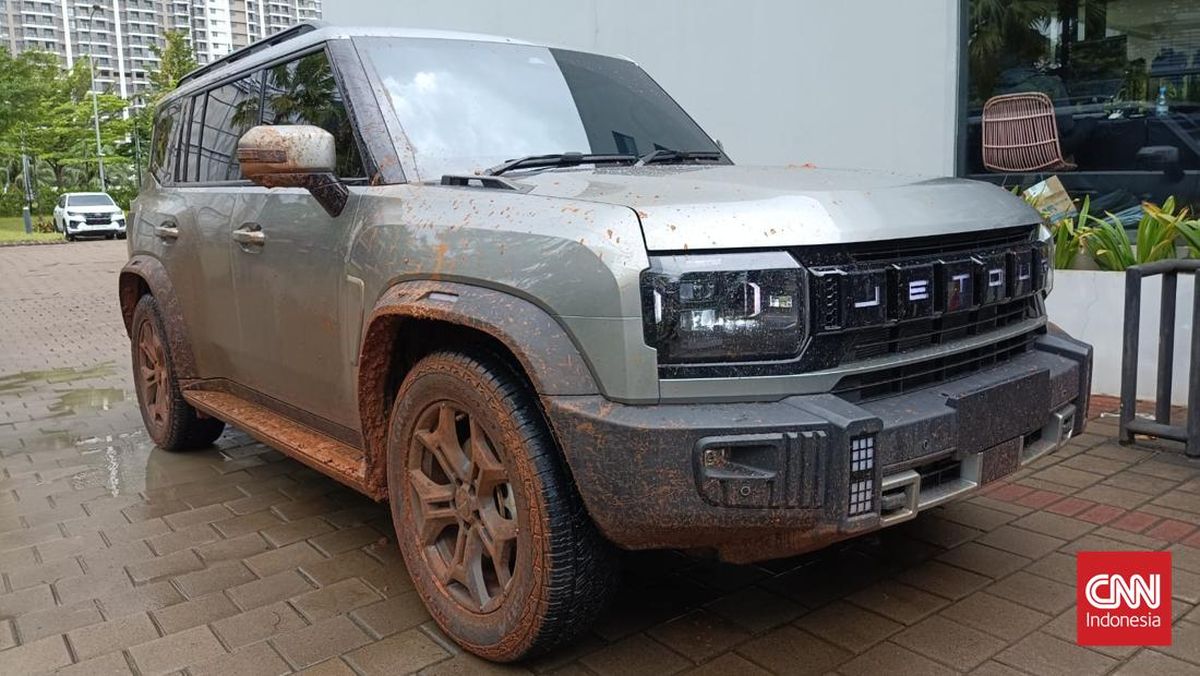
Jetour’s T2 SUV has solidified its position as the primary sales driver for the Chinese automotive brand in Indonesia throughout the current year. From January to May 2026, the robust T2 model accounted for the overwhelming majority of the brand’s vehicle distribution within the Indonesian market, signaling strong consumer acceptance of its particular blend of features and performance.
Dominance of the T2 Model
According to official company figures, Jetour recorded a total wholesale distribution of 1,233 units during the first five months of 2026. Of this substantial figure, the Jetour T2 alone contributed an impressive 1,018 units, representing approximately 83% of the brand’s total distribution in the domestic market. This overwhelming reliance on a single model highlights its critical role in Jetour’s Indonesian strategy.
In the specific month of May 2026, the wholesale distribution of the Jetour T2 reached 222 units, closely mirrored by its retail sales which stood at 223 units. This near-parity between wholesale and retail figures suggests a healthy and consistent demand for the T2, with units moving efficiently from dealerships to end consumers.
Consumer Appeal and Market Relevance
Moch Ranggy Radiansyah, Marketing Director of PT Jetour Sales Indonesia, attributed this sustained success to the T2’s ability to align with the evolving needs and preferences of Indonesian consumers. "The consistent performance of the Jetour T2 throughout January to May 2026 demonstrates that the SUV’s character, which combines toughness, comfort, and flexibility, is increasingly relevant to the needs of Indonesian consumers," Ranggy stated in an official press release on Saturday, June 13th.
He further elaborated that the T2 was intentionally engineered to cater to a diverse range of user requirements, encompassing daily mobility, family excursions, and extended long-distance journeys. This versatility is a key selling point in a market where vehicles often need to perform multiple roles.
Jetour’s market analysis indicates a significant shift in consumer priorities within the SUV segment. The brand believes that the decision-making process is no longer solely driven by aesthetic design or cabin capacity. Instead, potential buyers are increasingly factoring in the vehicle’s adaptability for various activities, including inter-city travel and recreational pursuits. This evolving consumer mindset plays directly into the strengths of the T2.
Diversified Product Portfolio and Future Outlook
While the T2 is the current sales champion, Jetour offers other models in the Indonesian market to cater to different market niches. The Jetour Dashing targets consumers who prioritize modern and stylish design, appealing to a younger demographic or those seeking a more urban-centric aesthetic. Meanwhile, the X70 Plus is positioned for families who require more expansive cabin space and features designed to enhance comfort and convenience during long road trips.
Looking ahead, Jetour Indonesia has expressed its commitment to further strengthening its foothold in the market. The company plans to systematically expand its sales network and enhance its after-sales service infrastructure. This strategic expansion is seen as crucial for building brand loyalty and ensuring a positive ownership experience for its growing customer base.
Michael Budihardja, Sales & Network Director of PT Jetour Sales Indonesia, underscored the importance of the T2’s positive reception as a catalyst for these broader expansion plans. "We aim to build an increasingly strong and relevant brand position to support Jetour’s long-term growth in the Indonesian market," Michael stated, emphasizing the strategic significance of the current sales momentum.
Market Positioning and Pricing
The Jetour T2 is currently being marketed at an on-the-road price of Rp588 million in Jakarta. It is available in five distinct color options, offering consumers a degree of personalization to match their individual preferences. This pricing strategy places the T2 within the competitive mid-to-high range of the SUV market in Indonesia, where it competes with established players and other emerging brands.
Broader Context of Chinese Automotive Expansion in Indonesia
Jetour’s success in Indonesia is part of a larger trend of Chinese automakers making significant inroads into Southeast Asian markets, including Indonesia. Historically, the Indonesian automotive landscape has been dominated by Japanese brands. However, in recent years, manufacturers from China have increasingly challenged this dominance by offering vehicles with competitive features, advanced technology, and often more aggressive pricing.
The Indonesian government has also been actively encouraging foreign investment in its automotive sector, aiming to position the country as a regional hub for vehicle production and export. This policy environment has provided fertile ground for brands like Jetour to establish and grow their presence.
The rapid adoption of electric vehicles (EVs) is another key factor shaping the automotive market. While the current article focuses on the ICE (Internal Combustion Engine) T2, Jetour, like many other global automakers, is also investing in EV technology. Future success in Indonesia will likely depend on their ability to introduce compelling electric models that meet local market demands and infrastructure capabilities.
Analysis of Implications
The strong performance of the Jetour T2 has several key implications for the Indonesian automotive market:
- Increased Competition: Jetour’s success intensifies competition within the SUV segment, potentially leading to more competitive pricing and product innovation from both established and emerging brands.
- Shifting Consumer Perceptions: The positive reception of a Chinese-made SUV like the T2 indicates a growing acceptance and trust in the quality and capabilities of vehicles from Chinese manufacturers among Indonesian consumers.
- Strategic Importance of SUVs: The data reinforces the enduring popularity and significant market share of SUVs in Indonesia, driven by factors such as road conditions, family needs, and aspirational consumer trends.
- Brand Building Challenges: While sales are strong, Jetour, as a relatively new entrant, faces the ongoing challenge of building long-term brand equity and customer loyalty beyond initial product appeal. This includes establishing a robust reputation for reliability, after-sales support, and future model development.
- Impact on Market Share: If Jetour can sustain this momentum, it could begin to chip away at the market share traditionally held by Japanese brands in the SUV segment, forcing a recalibration of strategies by incumbent players.
Timeline and Future Projections
- Early 2023: Jetour officially launches its operations and initial models in the Indonesian market, signaling its intent to compete seriously.
- Throughout 2023-2025: The brand focuses on establishing its dealer network, building brand awareness, and introducing a range of models, including the T2, Dashing, and X70 Plus.
- January-May 2026: The Jetour T2 emerges as the undisputed sales leader, accounting for a significant majority of the brand’s total distribution.
- June 2026: PT Jetour Sales Indonesia releases its sales figures and marketing director highlights the T2’s consumer relevance.
- Mid-to-Long Term: Jetour aims to expand its sales and after-sales network, solidify its brand position, and potentially introduce new models, including electrified offerings, to sustain and grow its market presence.
The ongoing performance of the Jetour T2 will be closely watched as a barometer for the brand’s long-term viability and success in the dynamic Indonesian automotive landscape. Its ability to maintain this sales momentum, coupled with strategic investments in brand development and customer service, will be crucial for Jetour to establish itself as a significant player in one of Southeast Asia’s largest automotive markets. The brand’s commitment to aligning its product offerings with the specific demands of Indonesian consumers, as exemplified by the T2, appears to be a winning formula thus far.