Socio Today
Jakarta – The economic landscape for online motorcycle taxi (ojol) drivers in Indonesia is becoming increasingly precarious, as a confluence of rising fuel prices and escalating motorcycle spare part costs threatens to erode their already modest earnings. This challenging environment is compounded by stagnant income levels, with some drivers reporting a decline in their net earnings.
The current operational reality for ojol drivers involves a significant deduction of 20 percent from their earnings, allocated for application fees. While revisions to commission structures have been promised, the official implementation of these changes remains pending. In the interim, as the ‘green troops’ – a common moniker for ojol drivers due to their often green uniforms – await policy clarity, the cost of maintaining their essential vehicles continues to surge.
"The increase in vehicle spare parts, particularly for motorcycles, has led to fluctuating repair costs, which are factored into capital expenditure. This factor is indeed causing ojol driver incomes to be eroded by 10-20 percent," stated Igun Wicaksono, Chairman of Garda Indonesia, an ojol driver advocacy group, in an interview with detikOto on Friday, June 12th.
Beyond spare parts, the price hike for Pertamax, a non-subsidized gasoline, is also directly impacting the earnings of ojol partners. Wicaksono expressed gratitude that a majority of ojol drivers still rely on subsidized fuel, such as Pertalite, for their daily operations.
"Meanwhile, the income of ojol drivers has not experienced any increase; in fact, it tends to be stagnant or even declining," he added.
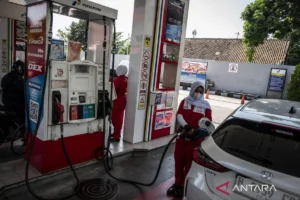
The situation has been exacerbated by a significant, sudden increase in the prices of non-subsidized Pertamina fuel products, effective June 10, 2026. Pertamax, a popular choice for many vehicle owners, has seen its price jump to Rp 16,250 per liter, an increase of nearly Rp 4,000 from its previous price of Rp 12,300 per liter.
Pertamina has also adjusted the pricing for Pertamax Green, a biofuel blend. This fuel, previously priced at Rp 12,900 per liter, now retails at Rp 17,000 per liter, marking an increase of Rp 4,100 per liter. These sharp rises in fuel costs place a substantial burden on drivers who depend on their motorcycles for their livelihoods.
Concurrently, the prices of essential motorcycle spare parts, including engine oil and tires, have also experienced substantial increases. Recent investigations at general repair shops reveal that these price hikes can reach as high as 20 percent, further squeezing the operational budgets of ojol drivers.
The Economic Squeeze: A Multi-faceted Challenge
The current predicament of ojol drivers is not a singular event but rather a culmination of various economic pressures that have been building over time. The dependence of ojol services on the cost of fuel and vehicle maintenance makes them particularly vulnerable to macroeconomic shifts.
Background Context:
Online motorcycle taxi services have become an integral part of Indonesia’s urban transportation network, providing both employment opportunities and convenient mobility solutions. Companies like Gojek and Grab dominate this sector, employing hundreds of thousands of drivers across the archipelago. Their business model relies on a commission-based system, where a percentage of each fare is retained by the platform. Drivers, in turn, bear the direct costs of fuel, vehicle maintenance, and operational expenses.

The Indonesian government’s fuel subsidy policy has historically played a crucial role in managing the cost of living for many citizens, including ojol drivers. However, adjustments to fuel prices, particularly for non-subsidized variants, often signal broader economic trends and can have ripple effects across various sectors.
Timeline of Pressures:
- Past Year: Gradual but noticeable increases in the cost of essential motorcycle spare parts such as tires, brake pads, and engine oil. Anecdotal evidence from drivers and mechanics suggests a consistent upward trend, making routine maintenance a growing expense.
- Early 2026: A period of relative stability in fuel prices, offering some respite to drivers. However, underlying inflation and global commodity price fluctuations were already creating pressure on spare part markets.
- June 10, 2026: Pertamina announces significant price increases for non-subsidized fuel, including Pertamax and Pertamax Green. This sudden hike directly impacts drivers who opt for these fuels or are forced to use them due to availability issues of subsidized alternatives.
- June 12, 2026: Garda Indonesia, through its chairman Igun Wicaksono, publicly articulates the severe impact of these rising costs on ojol driver incomes, citing a 10-20 percent erosion in earnings due to spare part expenses alone. The statement also highlights the stagnation or decline in driver income and the pending revision of application commission fees.
Supporting Data and Market Dynamics
To understand the full scope of the challenge, it is important to consider the contributing factors:
- Fuel Price Volatility: Global oil prices are a significant determinant of domestic fuel costs. Fluctuations in international markets, geopolitical events, and domestic supply-demand dynamics can all lead to price adjustments. The recent hike in Pertamax prices, while affecting a segment of drivers, highlights the sensitivity of the sector to energy costs. Data from the Ministry of Energy and Mineral Resources could provide a historical overview of fuel price changes in Indonesia, illustrating the trend.
- Spare Part Inflation: The automotive aftermarket is susceptible to the cost of raw materials, manufacturing, and logistics. A general increase in inflation rates can directly translate into higher prices for components like tires, lubricants, and engine parts. Reports from industry associations or market research firms specializing in the automotive sector could offer insights into the percentage increases in spare part costs over specific periods. For instance, data from the Indonesian Automotive Component Manufacturers Association (GIAMM) or market analysis from consulting firms could provide quantitative evidence.
- Application Commission Structure: The 20 percent deduction for application fees is a substantial portion of a driver’s gross earnings. While platforms argue this covers operational costs, marketing, and technological development, drivers perceive it as a significant overhead. The delayed implementation of revised commission structures suggests a complex negotiation process between the platforms and driver advocacy groups, or internal policy considerations by the companies. Information on the typical commission rates in other Southeast Asian markets could offer a comparative perspective.
Official Responses and Industry Perspectives
While the immediate reaction from driver advocacy groups like Garda Indonesia has been vocal, official responses from the ojol platform companies and relevant government ministries are crucial for a comprehensive understanding.
Garda Indonesia’s Stance:
As articulated by Igun Wicaksono, Garda Indonesia is actively lobbying for policy changes that would alleviate the financial burden on drivers. Their demands likely include:
- A review and potential reduction of the application commission fees.
- Advocacy for increased fares to reflect the rising operational costs.
- Discussions with fuel providers and spare part manufacturers to explore potential discounts or subsidies for ojol drivers.
- Expedited implementation of promised commission structure revisions.
Ojol Platform Companies (Gojek, Grab, etc.):
These companies typically cite operational costs, technology investments, and market competitiveness when discussing their fee structures. They may also highlight driver welfare programs or incentives they offer. However, in the face of mounting pressure, they might be compelled to:
- Engage in dialogue with driver representatives to address concerns.
- Consider adjustments to their commission rates or introduce new incentive schemes.
- Explore partnerships for fuel or spare part discounts for their drivers.
Government Ministries (Ministry of Transportation, Ministry of Cooperatives and SMEs, etc.):
Government bodies are expected to mediate between drivers and platform companies, and potentially implement policies to regulate the sector. Their actions could involve:
- Facilitating negotiations and mediating disputes.
- Issuing regulations on driver compensation, working conditions, and platform operational standards.
- Exploring the feasibility of fuel or operational cost subsidies for registered ojol drivers.
- Monitoring the economic impact of fuel price changes on vulnerable worker groups.
Broader Impact and Implications:
The current economic strain on ojol drivers has far-reaching implications:
- Driver Welfare and Livelihoods: A significant reduction in net earnings can lead to financial hardship, increased debt, and a decline in the overall quality of life for drivers and their families. This could also discourage new individuals from entering the profession, potentially impacting service availability.
- Service Quality and Availability: If drivers find their earnings unsustainable, they may reduce their working hours, prioritize more lucrative routes, or even abandon the profession. This could lead to longer waiting times, increased fares, and a general decline in the service quality for consumers.
- Economic Ripple Effects: Ojol drivers are significant consumers of fuel, spare parts, and other goods and services. A decrease in their purchasing power can have a knock-on effect on related industries.
- Social Unrest and Advocacy: Persistent economic challenges can fuel discontent among drivers, leading to increased activism, protests, and demands for policy intervention. The role of advocacy groups like Garda Indonesia becomes critical in channeling these concerns.
- Platform Sustainability: While platform companies aim for profitability, an unsustainable driver earning model can threaten their long-term viability. A disgruntled and shrinking driver base can lead to operational disruptions and reputational damage.
The Indonesian government and the major ojol platforms face a critical juncture. Addressing the rising costs of fuel and spare parts, coupled with a review of the commission structure, is paramount to ensuring the sustainability of the ojol industry and the livelihoods of its drivers. Without proactive measures, the economic pressures on these essential service providers are likely to intensify, with potential consequences for urban mobility and the broader Indonesian economy. Further analysis would require detailed financial data from the platforms, government reports on fuel and spare part market trends, and ongoing surveys of driver income and expenditure. The narrative of the ‘pasukan hijau’ is one that reflects the broader economic challenges faced by informal and gig economy workers in developing nations.