Socio Today
Just a stone’s throw from the glittering skyscrapers and relentless pulse of modern Shanghai, a temporal portal awaits. A mere 1.5-hour drive from the bustling metropolis lies Zhouzhuang, an ancient water town nestled in Jiangsu Province, renowned globally as the "Venice of the East." This charming destination offers a profound contrast to the urban dynamism of Shanghai, inviting visitors to step back in time and immerse themselves in a landscape steeped in history and poetic tranquility. For travelers seeking respite from the megacity’s sensory overload, a day trip to Zhouzhuang presents an unparalleled opportunity to experience the authentic charm of China’s rural heritage.
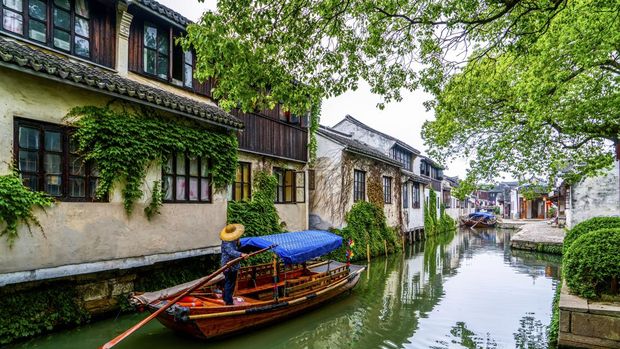
The allure of Zhouzhuang lies in its intricate network of serene canals, where the tranquil waters mirror the timeless elegance of traditional Ming and Qing dynasty-era wooden houses, their tiled roofs a testament to centuries of architectural legacy. Faintly glowing red lanterns cast a soft, ambient light against aged white walls, subtly peeling to reveal the passage of time. This creates an atmosphere that is both classic and deeply romantic, a stark departure from the neon-drenched streets of Shanghai. The town’s unique character has long captivated artists and writers, drawing inspiration from its picturesque waterways and ancient structures.
Navigating the Waterways and Unveiling Historical Marvels
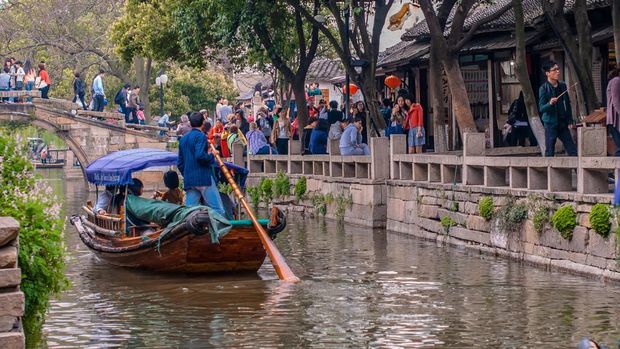
The most magical experience in Zhouzhuang, as described by Ye Xin, General Manager of the Kunshan Water Town Zhouzhuang Cultural Tourism Development Group, is undoubtedly a journey aboard a traditional wooden boat. Gliding gently through the water lanes, under the arches of legendary stone bridges, with a local boatman occasionally serenading passengers with folk tunes, provides an unforgettable sensory experience. This is more than just a mode of transport; it’s a gentle immersion into the rhythm of the town.
A particularly iconic and photogenic spot that draws visitors from around the globe is Shuangqiao, the Double Bridge. This architectural marvel, comprising two interconnected stone bridges, has become a symbol of Zhouzhuang’s enduring beauty and has served as inspiration for countless international artists. Its graceful curves and historical significance make it a must-see for any visitor.
Beyond the tranquil canals, the terrestrial corners of Zhouzhuang hold stories of past prosperity. The residences of ancient noble families, namely the Shen House and the Zhang House, are essential stops for those seeking to delve deeper into the town’s history. These sprawling complexes showcase quintessential classical Chinese architecture, featuring dozens of interior rooms, secluded gardens, and stone-paved passageways that delight history buffs and architecture enthusiasts alike. Exploring these ancestral homes offers a tangible connection to the lives of the influential families who shaped Zhouzhuang’s past.
Historical Context and Significance of Zhouzhuang
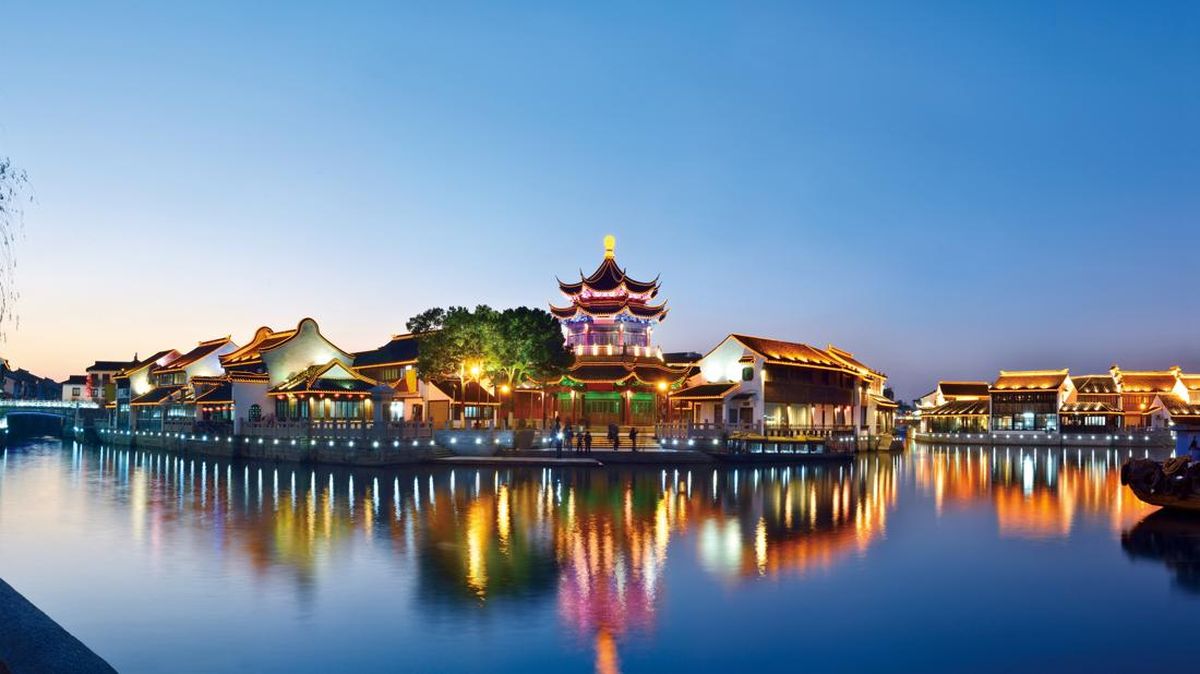
Zhouzhuang’s origins can be traced back over 900 years, with its development deeply intertwined with the growth of the Grand Canal, a vital artery for trade and transport in ancient China. Its strategic location and the abundance of water resources allowed it to flourish as a prosperous commercial center. The town’s architectural style, predominantly from the Ming (1368-1644) and Qing (1644-1912) dynasties, reflects this period of economic prosperity and cultural refinement. The well-preserved buildings, waterways, and bridges are not merely aesthetic features; they are living testaments to China’s rich architectural heritage and the traditional way of life in southern China.
The town’s designation as a national AAAAA tourist attraction by the China National Tourism Administration underscores its importance as a cultural heritage site and a significant contributor to the local economy. This recognition has spurred ongoing efforts in preservation and sustainable tourism development, ensuring that Zhouzhuang’s unique charm is maintained for future generations while also benefiting the local community. The careful management of tourism aims to balance the influx of visitors with the preservation of the town’s delicate ecosystem and cultural integrity.
Logistical Guidance for an Unforgettable Visit
To ensure a seamless and enriching holiday experience in Zhouzhuang, consider the following practical advice:
-
Optimal Visiting Seasons: The spring (March to May) and autumn (September to November) months are considered ideal for visiting Zhouzhuang. During these periods, the weather is pleasantly cool, and the natural landscape is at its most vibrant. Spring brings blooming flowers and lush greenery, while autumn offers crisp air and the rich hues of changing foliage, creating a picturesque backdrop for exploration.
-
Strategic Timing to Avoid Crowds: As one of China’s most beloved tourist destinations, Zhouzhuang can experience significant crowds, particularly on weekends and during Chinese national holidays. To enjoy a more tranquil and photogenic experience, planning your visit for weekdays is highly recommended. This allows for more leisurely exploration and better opportunities for capturing stunning photographs without the hustle and bustle.
-
Physical Preparation and Essential Gear: Comfortable footwear is paramount, as you will be doing a considerable amount of walking along the ancient stone pathways and bridges. Don’t forget to pack your camera to capture the breathtaking scenery. Depending on the season, bring clothing suitable for the weather, and always consider sun protection, such as a hat or sunscreen, to ensure your comfort during outdoor excursions. Staying hydrated is also crucial, especially during warmer months.
Transportation Options to Reach Zhouzhuang
Reaching Zhouzhuang from Shanghai is a straightforward endeavor, with several convenient transportation options available:
-
High-Speed Rail: The most efficient way to travel is by taking a high-speed train from Shanghai’s Hongqiao Railway Station to Kunshan South Station. The journey typically takes between 20 to 30 minutes. From Kunshan South Station, local buses or taxis are readily available to take you directly to Zhouzhuang, a further journey of approximately 30-40 minutes. This option is ideal for travelers prioritizing speed and convenience.
-
Direct Tourist Buses: For a more integrated travel experience, direct tourist buses operate from various points in Shanghai, including the Shanghai Tourist Distribution Center. These buses offer a comfortable and direct route to Zhouzhuang, often with guided commentary, eliminating the need for transfers. It is advisable to check schedules and book tickets in advance, especially during peak travel seasons.
-
Private Car or Taxi: Hiring a private car or taxi from Shanghai offers the utmost flexibility and comfort. This option is particularly suitable for groups or families, allowing for a personalized itinerary and direct door-to-door service. While it is the most expensive option, the convenience and ability to stop at points of interest along the way can be well worth the investment for some travelers. The journey typically takes around 1.5 hours, depending on traffic conditions.
-
Self-Driving: For those who prefer to drive themselves, rental car services are available in Shanghai. Navigating to Zhouzhuang is straightforward with GPS, and there are designated parking areas available near the town’s entrance. This option provides the greatest autonomy for exploring the surrounding areas at your own pace.
Economic and Cultural Implications
Zhouzhuang’s status as a premier tourist destination has had a significant positive impact on the local economy. The influx of domestic and international tourists generates substantial revenue through accommodation, dining, souvenirs, and transportation services, creating employment opportunities for the residents. Furthermore, the preservation efforts undertaken by the local government and tourism authorities have helped to maintain the town’s unique cultural heritage, fostering a sense of pride among the local community and promoting the continuation of traditional crafts and practices.
However, the increasing popularity also presents challenges. Managing the environmental impact of tourism, ensuring the sustainability of resources, and preventing the over-commercialization of the town are critical concerns. Balancing economic growth with cultural preservation and environmental protection remains an ongoing endeavor for the authorities responsible for Zhouzhuang’s management. The delicate ecosystem of the water town requires careful consideration to ensure that tourism development does not lead to irreversible damage.
Broader Context: China’s Water Towns and Cultural Tourism
Zhouzhuang is part of a broader network of ancient water towns in the Yangtze River Delta region, each with its unique charm and historical significance. Towns like Tongli, Luzhi, and Xitang offer similar experiences of picturesque canals, traditional architecture, and a glimpse into China’s past. These water towns collectively form a significant segment of China’s cultural tourism landscape, attracting millions of visitors annually who are eager to explore a different facet of the country beyond its modern metropolises.
The emphasis on preserving and promoting these historical sites reflects a growing trend in China towards valuing and showcasing its rich cultural heritage. This not only caters to the evolving preferences of domestic and international tourists but also plays a crucial role in fostering national identity and cultural continuity. The success of Zhouzhuang serves as a model for other heritage sites in China, demonstrating the potential for cultural tourism to drive economic development while safeguarding invaluable historical assets. The continuous efforts to enhance visitor experience through improved infrastructure, digital storytelling, and cultural immersion programs further solidify the importance of these ancient towns in China’s tourism narrative.
In Conclusion
Zhouzhuang stands as a poignant reminder of China’s enduring past, a tranquil oasis offering a captivating escape from the frenetic energy of Shanghai. Its timeless beauty, steeped in history and illuminated by the gentle glow of lanterns reflected on its placid canals, provides an unforgettable experience for any traveler. The "Venice of the East" is not merely a tourist destination; it is a living museum, a testament to the harmonious coexistence of nature and human ingenuity, and a vital link to China’s rich cultural tapestry. As visitors float along its waterways and wander through its ancient streets, they are not just sightseeing; they are stepping into a narrative that has unfolded over centuries, a narrative that continues to enchant and inspire.