Socio Today
Seoul, South Korea – On a warm spring Saturday, May 2, 2026, hundreds of young Seoul residents converged on a park along the Han River. Their purpose was not athletic exertion, but an activity remarkably scarce for the work-obsessed denizens of South Korea: sleep. The Seoul Metropolitan Government organized its third annual "Power Nap Contest," an event with peculiar entry requirements, including dressing as a "Sleeping Beauty" or a prince, arriving in a state of fatigue, and having a full stomach.
The scene, set against the backdrop of a city renowned for its 24-hour shopping centers, fiercely competitive work culture, and reliance on iced Americanos, underscored the palpable exhaustion radiating from participants sprawled across the park’s lawn. This competition, now in its third year, shines a spotlight on a critical issue plaguing South Korea: pervasive sleep deprivation and an unsustainable work-life balance.
One participant, 20-year-old university student Park Jun Seok, donned a red silk robe reminiscent of a Joseon Dynasty king as he prepared for the nap competition. "Between exam preparations and part-time work, I only sleep 3-4 hours a night," he shared, as reported by The Independent. "I’m here to showcase my napping skills and demonstrate how a king sleeps." His sentiment was echoed by 24-year-old English teacher Yoo Mi Yeon, who opted for a cozy koala onesie. "I suffer from insomnia and find it difficult to get restful sleep," she explained. "Koalas are known for their deep sleep, so I came dressed like this hoping to borrow some of their ‘magic.’"
The Power Nap Contest serves as a stark visual representation of South Korea’s struggle with sleep deprivation. Data consistently ranks the nation among OECD countries with the highest work hours and most severe sleep deficits. A 2023 report by the Korea Sleep Society indicated that approximately 40% of the adult population experiences chronic sleep disorders, a figure exacerbated by intense academic and professional pressures. The average Korean adult reportedly sleeps just under 7 hours per night, significantly lower than the recommended 7-9 hours.
The Mechanics of a Competitive Slumber
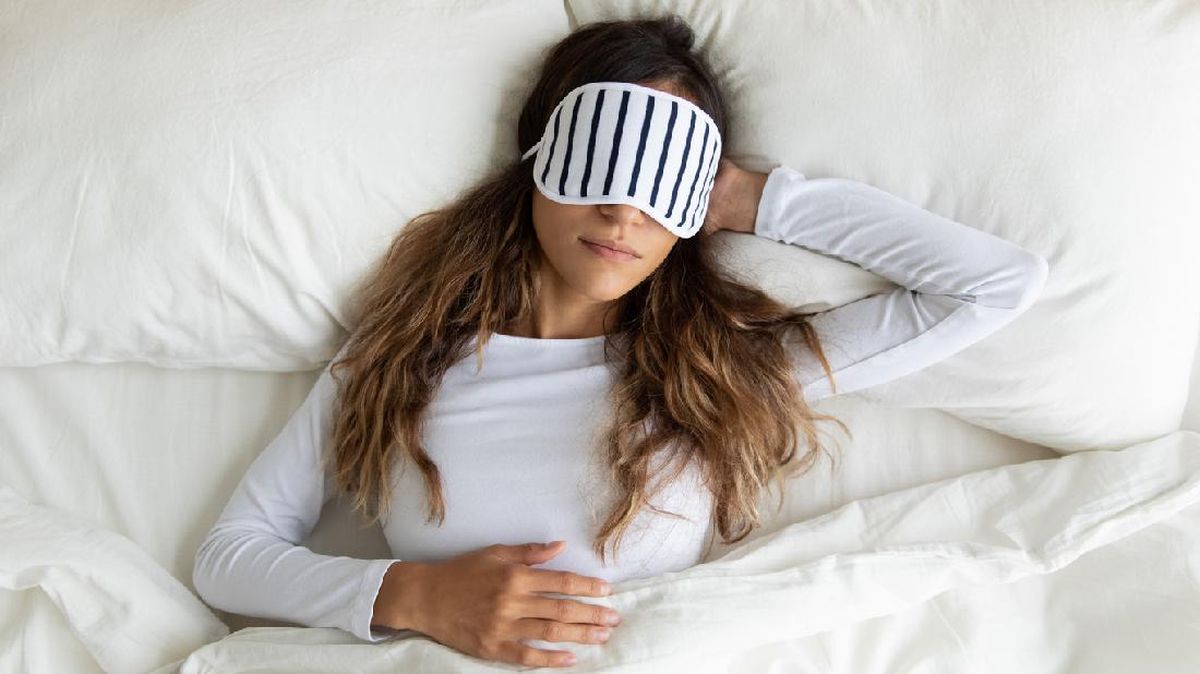
The competition’s methodology is as unique as its premise. Precisely at 3:00 PM local time, as eye masks were donned, officials circulated to measure participants’ heart rates. A stable heart rate reading was deemed the primary indicator of a deep and peaceful sleep state. This scientific approach aimed to distinguish genuine slumber from mere rest or feigned sleep, adding an element of objective evaluation to the unconventional contest.
The grand prize winner of this year’s Seoul Power Nap Contest was an individual in their 80s, whose name was not disclosed. The second prize was awarded to 37-year-old office worker Hwang Du Seong. "I’m exhausted from frequent late-night overtime and a lot of driving for work," Hwang expressed with evident joy. "I was determined to sleep to recharge amidst the river breeze, and I’m fortunate to have secured second place." His victory, like the contest itself, highlights the widespread exhaustion felt across various demographics, from students to seasoned professionals.
A Nation Under Pressure: The Roots of Sleep Deprivation
South Korea’s reputation for a demanding work culture is well-documented. For decades, the nation has prioritized economic growth and technological advancement, often at the expense of personal well-being. The "ppalli-ppalli" (hurry, hurry) culture, deeply ingrained in society, fuels an environment where long working hours are not just common but often expected and even admired. This is further compounded by intense academic competition from an early age, with students facing immense pressure to excel in standardized tests and secure places in prestigious universities, leading to sleep-deprived study habits.
The societal structures that contribute to this crisis are multifaceted. The legacy of rapid industrialization in the late 20th century instilled a work ethic that, while instrumental in the nation’s economic miracle, has proven difficult to deconstruct. Furthermore, a lack of robust social safety nets and a perceived need to constantly prove one’s worth in a highly competitive job market incentivize individuals to prioritize work above all else. The prevalence of caffeine-fueled late nights, epitomized by the ubiquitous iced Americano, has become a coping mechanism rather than a mere beverage choice for many.
Government Initiatives and Societal Shifts
The Seoul Metropolitan Government’s Power Nap Contest is not an isolated initiative but part of a broader, albeit nascent, effort to address the nation’s sleep crisis. In recent years, the government has introduced policies aimed at promoting a healthier work-life balance. These include the "Work-Life Balance Promotion Act," which aims to limit working hours, and various public awareness campaigns encouraging citizens to prioritize sleep and mental health.
However, the effectiveness of these measures is often debated. Critics argue that systemic cultural changes are needed to truly impact deeply ingrained work habits. The competitive nature of Korean society, from education to employment, creates a constant pressure that policies alone may struggle to alleviate. The Power Nap Contest, while lighthearted, serves as a powerful, albeit unconventional, reminder of the urgent need for deeper societal introspection and tangible changes.
The Broader Implications of Chronic Sleep Deprivation
The consequences of widespread sleep deprivation extend far beyond individual fatigue. On a national level, chronic lack of sleep can lead to decreased productivity, increased rates of accidents (both on and off the job), and a higher incidence of chronic health conditions such as cardiovascular disease, diabetes, and mental health disorders like depression and anxiety. The economic burden of these health issues, coupled with reduced workforce efficiency, represents a significant challenge for South Korea’s future development.
Experts in public health and sociology have pointed out that a society that consistently undervalues rest risks a decline in creativity, innovation, and overall societal well-being. The constant state of exhaustion can also erode social connections and family life, as individuals have less energy and time for personal relationships.
A Glimpse of Hope and a Call for Change
While the Power Nap Contest might seem like a novel and even humorous solution, it effectively brings to the forefront a serious national health issue. The participation of hundreds of young people, many of whom are students and early-career professionals, indicates a growing awareness and a desire for change within the population itself.
The success of the contest in drawing attention to the plight of the sleep-deprived underscores the need for continued dialogue and action. Future initiatives might involve more comprehensive public health campaigns, corporate policy reforms encouraging flexible working hours and discouraging a culture of excessive overtime, and educational programs that emphasize the importance of sleep hygiene from an early age.
As the sun set over the Han River, the participants of the Power Nap Contest, some still groggy but many with a renewed sense of camaraderie, dispersed. Their collective slumber, however brief, served as a potent symbol of a nation yearning for balance, a reminder that even in a hyper-connected and driven society, the fundamental human need for rest cannot be perpetually ignored. The contest, a playful yet poignant critique, leaves behind a lingering question: when will South Korea truly wake up to the importance of sleep?