Socio Today
The culinary landscape of Bekasi, a vital satellite city bordering Indonesia’s capital, has seen a significant transformation with the rise of specialized street food concepts, most notably the "seblak prasmanan" or buffet-style seblak. Originally a traditional Sundanese snack from Bandung, West Java, seblak has evolved from a simple dish of boiled crackers and spices into a customizable culinary experience that caters to the diverse palates of the Greater Jakarta area. In Bekasi, this trend has manifested in numerous humble eateries where affordability meets a high degree of personalization, allowing consumers to dictate every element of their meal, from the base ingredients to the intensity of the chili-laden broth.
The Evolution and Cultural Significance of Seblak
Seblak’s journey from a regional specialty to a national sensation is a testament to the adaptability of Indonesian street food. Traditionally, seblak consists of wet crackers (krupuk) cooked with a protein source and a spicy paste characterized by the heavy use of aromatic ginger, known locally as kencur. The distinct aroma and warming properties of kencur are what differentiate seblak from other spicy Indonesian soups.
The transition to the "prasmanan" or buffet model represents a significant shift in consumer behavior. Historically, seblak was prepared with a fixed set of ingredients determined by the vendor. However, the modern Bekasi scene prioritizes the "DIY" (Do-It-Yourself) approach. This model allows patrons to pick their own toppings from a wide array of options, including various types of crackers, processed meats, vegetables, and offal. This democratization of the bowl has made seblak particularly popular among younger demographics, such as students and factory workers, who seek both value for money and a specific flavor profile.
Comprehensive Guide to Top Seblak Buffet Destinations in Bekasi
The following seven establishments have been identified as the leading providers of buffet-style seblak in the Bekasi region, based on variety, price point, and local popularity.
1. Seblak Prasmanan Bekasi (Mustika Jaya)
Located in the Cimuning area of Mustika Jaya, Seblak Prasmanan Bekasi has become a staple for residents in the eastern corridors of the city. The establishment operates on a transparent pricing model where customers can either choose individual toppings or opt for pre-set packages ranging from Rp 12,000 to Rp 20,000.
The variety of crackers available here is a primary draw; options include colorful onion crackers, "tambang" (rope-shaped) crackers, and noodle crackers. Beyond the starch base, the stall offers hearty additions such as eggs, chicken feet (ceker), and bone marrow pieces (tulang), which add depth to the spicy broth. The open-access topping bar encourages a "kalap" or impulsive eating behavior, where customers often find themselves adding more ingredients than initially intended due to the visual appeal and low cost of individual items.
2. Nangkring Seblak
Nangkring Seblak distinguishes itself through its innovation in broth variety. While most seblak stalls focus solely on varying levels of heat, Nangkring Seblak introduces specialized flavor profiles such as "Asam Manis" (sour and sweet), "Jadul" (old-fashioned/traditional), and the fan-favorite "Misdaseum" (an acronym for sweet, spicy, and sour).
This establishment provides a wide selection of dry toppings, including siomay kering, batagor pieces, and cuanki crackers, which provide a textural contrast to the boiled ingredients. With an average price point of approximately Rp 20,000 per serving depending on the chosen toppings, it represents a mid-range option that emphasizes broth complexity over raw heat.

3. Super Seblak (East Bekasi)
Situated in the bustling district of East Bekasi, Super Seblak is renowned for its "nampol" (extraordinarily spicy) broth. The stall offers dozens of topping choices, ranging from frozen food staples like sausages and meatballs to fresh vegetables and protein-rich chicken feet.
The pricing strategy at Super Seblak is highly competitive, with entry-level bowls starting at just Rp 10,000. This accessibility has made it a high-traffic location, particularly during evening hours when the local workforce returns from Jakarta and the surrounding industrial estates.
4. Seblak Prasmanan Neng Zahra
Located at Jalan Bintara XIV No. 75 in West Bekasi, Seblak Prasmanan Neng Zahra offers a unique aesthetic experience by serving the dish in small traditional woks (wajan). This presentation style has made the stall a frequent subject of social media posts, further driving its popularity.
The buffet concept remains the core of the business, with prices starting at Rp 15,000. The use of the small wok is not merely for show; it allows for even heat distribution during the final quick-boil process, ensuring that the kencur aroma is fully released before the dish reaches the customer.
5. Seblak Nyokot
Seblak Nyokot, found on Jalan Bintara Jaya II, focuses on the "Boci" (Bakso Aci) trend within the seblak framework. Aci-based meatballs, which are chewy and savory, are the star attraction here. The stall maintains a humble, "warung" style atmosphere, emphasizing speed and flavor.
Starting at Rp 10,000, Seblak Nyokot offers an "original" seblak variant for purists, as well as the more modern "Seblak Boci Cuanki" for those seeking a more substantial meal. The spice levels here are noted for their lingering heat, catering to the "pedas nagih" (addictively spicy) preference common in West Javanese cuisine.
6. Seblak Prasmanan Suhen
For those operating on a strict budget, Seblak Prasmanan Suhen on Jalan Cempaka 4 offers perhaps the most granular pricing in the city. Toppings are available for as little as Rp 500 per piece, allowing for extreme customization.
Customers can meticulously curate their bowl with fish balls, dry dumplings, and various cracker types. The establishment also offers a structured heat scale from Level 1 to 5, providing a safer entry point for those with a lower spice tolerance while still challenging the seasoned "chili-heads."
7. Seblak Pangladana
Located on Jalan Fajar Niaga Teratai, Seblak Pangladana is characterized by its consistent daily crowds. The stall is particularly praised for its mushroom and vegetable options, which offer a slightly lighter alternative to the meat-heavy toppings found elsewhere.
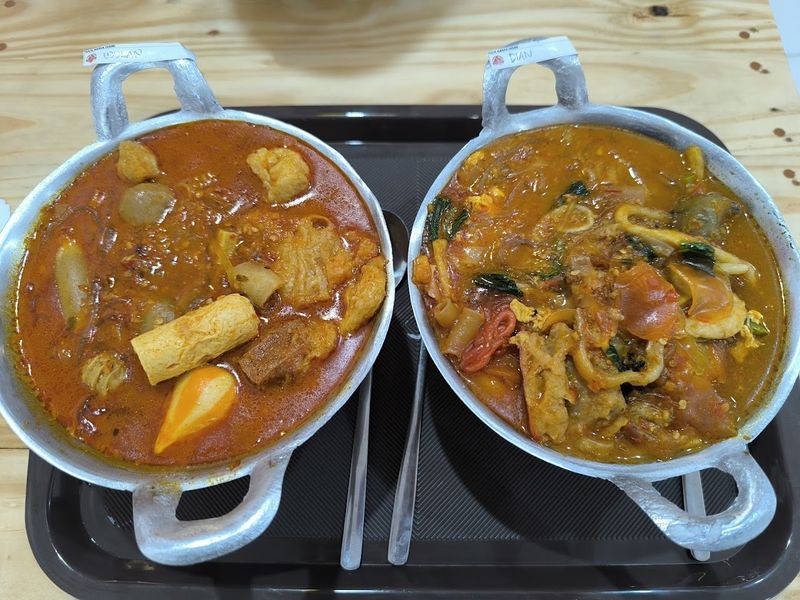
With a starting price of Rp 15,000, Pangladana balances quality with quantity. The chicken feet here are reported to be particularly tender, having been slow-cooked before being added to the spicy seblak broth, allowing the collagen to thicken the soup naturally.
Socio-Economic Impact and the Labor Market
The seblak industry in Bekasi and its surrounding regions is more than just a culinary trend; it is a significant economic driver for Small and Medium Enterprises (SMEs/UMKM). The low barrier to entry for opening a seblak stall—requiring primarily a stove, a selection of dry goods, and a secret spice paste—has allowed many entrepreneurs to enter the food and beverage sector.
The scale of this industry was recently highlighted by a viral event in which a seblak stall’s recruitment drive attracted hundreds of applicants for a limited number of positions. This phenomenon underscores the critical role these small businesses play in local employment. In a city like Bekasi, where the cost of living continues to rise, the "seblak economy" provides essential jobs and affordable sustenance for the masses.
Industry analysts suggest that the "prasmanan" model also reduces waste for the business owner, as ingredients are stored dry or frozen and only cooked upon selection. For the consumer, it provides a sense of agency and financial control, as they can adjust their meal to fit their current budget, whether they have Rp 10,000 or Rp 30,000 to spend.
Analysis of the "Spicy Culture" in Urban Centers
The popularity of seblak in Bekasi is deeply tied to the broader Indonesian "pedas" (spicy) culture. Psychological studies on food consumption often link the preference for spicy food to the release of endorphins, which provides a sense of relief and euphoria—a welcome respite for urban dwellers facing long commutes and high-pressure work environments.
Furthermore, the communal nature of these seblak stalls, where people gather to customize their bowls and share the "pain" of high-level spice, fosters a sense of local community. In the context of Bekasi’s rapid urbanization, these modest stalls serve as modern-day public squares.
Future Outlook for the Seblak Industry
As the seblak trend continues to mature, we are likely to see further professionalization of these stalls. This includes better food safety standards, more diverse ingredient sourcing (such as gluten-free or vegan options), and the integration of digital payment systems. The "prasmanan" model is also likely to expand into other food categories as consumers increasingly demand the ability to customize their dining experiences.
In conclusion, the seblak buffet scene in Bekasi is a vibrant intersection of tradition, economic necessity, and modern consumer preferences. Whether it is the wok-fried offerings of Neng Zahra or the budget-friendly toppings of Suhen, these seven locations represent the best of what the city’s street food culture has to offer. They provide not just a meal, but a customizable experience that reflects the dynamic and resilient spirit of Bekasi’s residents. For any visitor or local, a visit to these stalls is an essential immersion into the flavors that define the contemporary Indonesian palate.