Socio Today
Indonesian Finance Minister Purbaya Yudhi Sadewa took to social media on Sunday, April 3, posting a video of himself swimming, a direct response to circulating rumors regarding his health and alleged hospitalization. The move, unconventional for a high-ranking official, aimed to reassure the public and financial markets of his well-being, even as it sparked broader discussions about ministerial transparency, work-life balance, and the evolving role of social media in public office. The video, uploaded to TikTok, featured the Minister in active form, accompanied by a message urging physical activity and hinting at the impending end of a long weekend, underscoring a blend of personal health advocacy and subtle economic messaging.
Chronology of Events and Public Concern
The period leading up to early April witnessed a confluence of factors that likely fueled public and media speculation about the health of key government officials, including Minister Purbaya Yudhi Sadewa. Indonesia, like many nations, was navigating the complex landscape of post-pandemic recovery, grappling with global economic uncertainties, rising inflation, and the imperative to maintain fiscal stability. The demanding nature of a Finance Minister’s role during such a volatile period naturally places immense pressure on the individual, often leading to intense scrutiny of their public appearances and perceived stamina. Rumors of Minister Sadewa’s ill health began to surface through various channels, including social media whispers and unconfirmed reports, creating an atmosphere of mild concern that could potentially ripple into investor confidence if left unaddressed.
On Sunday, April 3, Minister Purbaya directly confronted these rumors by uploading a video of himself swimming. The video itself was silent, but his accompanying text message served as a clear, albeit indirect, rebuttal to the health speculation. He urged the younger generation, specifically "Gen Z," not to forget the importance of exercise, listing swimming, running, and padel as examples, before humorously adding, "As for me, I usually swim." He also acknowledged the swift passage of the long weekend, adding a light-hearted, yet significant, note: "Didn’t feel the long weekend. Get ready to ‘serok’ on Monday." The term "serok," colloquially meaning to scoop or grab, was widely interpreted as an encouraging signal to market participants, implying a positive outlook for the week’s trading, thereby subtly linking his personal well-being to broader economic confidence. The video quickly garnered attention, including comments from netizens playfully questioning the size of the pool he was using for his swim, which the Minister also acknowledged in his posting.
Later that month, on Friday, April 24, during a media briefing held at the BPPK Punawarman Campus in Jakarta Selatan, Minister Purbaya offered a more candid disclosure about his physical condition. He revealed that he had been suffering from severe back pain, so much so that he had recently received eight injections just to be able to stand and carry out his duties. He attributed the ailment to sheer exhaustion stemming from a packed schedule and numerous work agendas in the preceding days. Despite his discomfort, the Minister maintained his characteristic composure and even injected humor into the briefing, remarking, "My back hurts. It was injected yesterday at eight points. If not, I wouldn’t be able to stand like this." He continued to engage with journalists, answering complex questions, and even jested about the difficulty of the inquiries, stating, "The questions are difficult, so I’m also having a hard time," accompanied by a smile. This public admission provided a factual basis for the earlier rumors, yet simultaneously showcased his dedication and resilience in the face of physical challenges.
Approximately a month after the video upload, on Sunday, May 3, the Head of the Communication and Information Services Bureau at the Ministry of Finance, Deni Surjantoro, issued a formal statement to CNN Indonesia, reiterating that Minister Purbaya was in good condition and actively engaged with his family. This statement, while somewhat generic, served as an official confirmation of the Minister’s improving health status following his earlier admission of back pain, aiming to conclusively quell any lingering doubts or renewed speculation. The timeline suggests a period of recovery and continued engagement, demonstrating the Minister’s commitment to his duties despite personal health challenges.
The Demanding Role of Indonesia’s Finance Minister
The role of the Finance Minister in a dynamic emerging economy like Indonesia is inherently demanding, requiring a constant balance between domestic fiscal management and responsiveness to global economic shifts. Purbaya Yudhi Sadewa’s responsibilities encompass overseeing the state budget, formulating and implementing fiscal policies, managing national debt, and ensuring macroeconomic stability. These tasks involve extensive travel, long working hours, and intense negotiations, often under significant public and political pressure.
In the period surrounding April and May, Indonesia was navigating a complex economic landscape. The nation was still recovering from the socio-economic impacts of the COVID-19 pandemic, striving to consolidate its economic gains while facing fresh headwinds. Global inflation, exacerbated by geopolitical conflicts such as the Russia-Ukraine war, was pushing up commodity prices, impacting Indonesia’s import costs and domestic consumer prices. The Ministry of Finance was actively involved in managing these inflationary pressures, implementing targeted subsidies, and ensuring the resilience of the national budget. Furthermore, ongoing efforts to boost investment, accelerate infrastructure development, and strengthen social safety nets demanded constant attention and strategic oversight. The Minister’s involvement in these critical areas meant that any perceived instability in his health could potentially be interpreted as a risk to policy continuity and economic certainty.
Public Health and Work-Life Balance in High Office
Minister Sadewa’s frank admission of back pain and the need for injections brought into focus the broader issue of work-life balance and health management among high-ranking public officials. The relentless demands of public service, particularly in ministerial roles, often lead to chronic stress and physical ailments. His decision to continue working despite significant discomfort highlights a prevailing culture where officials feel compelled to prioritize duties over personal well-being, often at a substantial personal cost.
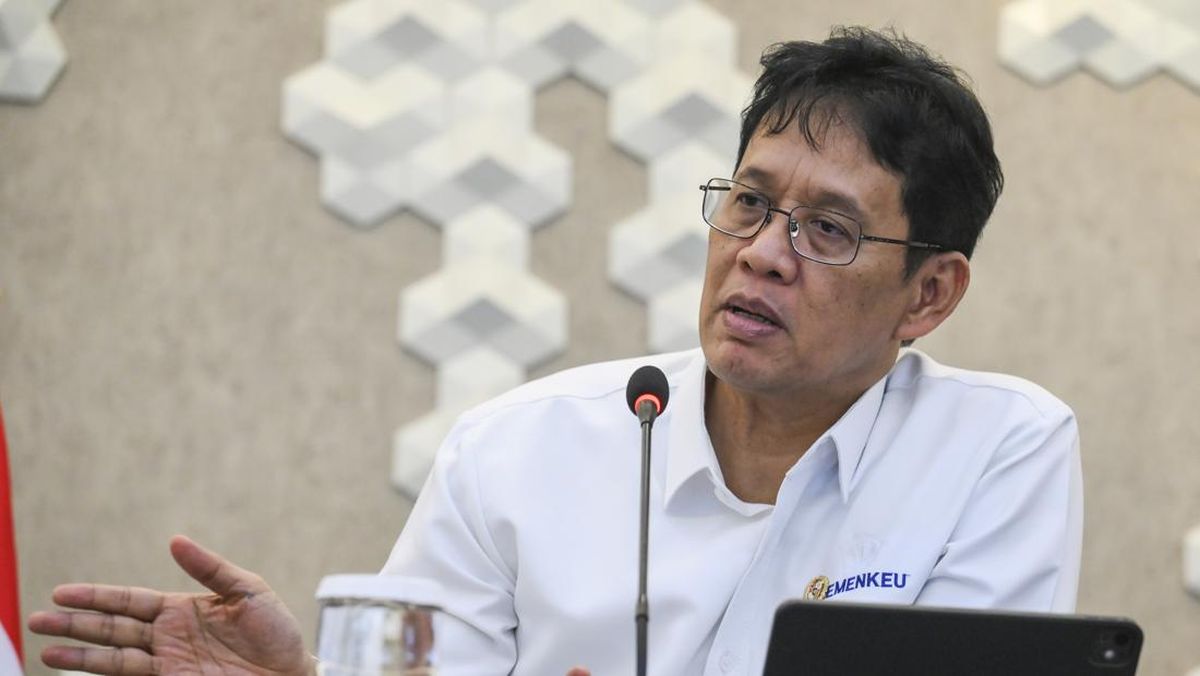
His social media message advocating exercise, even while he himself was recovering from an injury, can be seen as a poignant commentary on the importance of maintaining physical health amidst demanding careers. For many, his actions served as a reminder that even those in the highest echelons of power are susceptible to the physical tolls of intense work, thereby humanizing the public office. From a public health perspective, the Minister’s experience underscores the need for robust support systems and a cultural shift towards prioritizing mental and physical well-being, even in high-pressure environments. Medical professionals often caution against pushing through severe pain without adequate rest, as it can exacerbate conditions and lead to long-term health complications. The Minister’s situation, therefore, also sparked implicit discussions among the public about the sustainability of such intense work patterns.
The Evolving Role of Social Media in Public Discourse
Minister Purbaya’s choice to use TikTok, a platform primarily popular with younger demographics, to address personal health rumors represents a significant shift in how public figures engage with citizens. Traditionally, such announcements would be made through formal press conferences or official statements. However, the direct, immediate, and often informal nature of social media platforms like TikTok allows officials to bypass traditional media filters and communicate directly with a broad audience.
This approach offers several advantages:
- Immediacy: Rumors can be addressed swiftly, preventing them from festering and causing undue anxiety.
- Authenticity: A personal video, even if brief, can convey a sense of authenticity and directness that a formal statement might lack.
- Reach: TikTok’s extensive user base, particularly among younger demographics ("Gen Z" as he addressed), ensures a wide reach, fostering a direct connection with segments of the population that might not typically follow traditional news outlets.
- Narrative Control: By taking the initiative, the Minister effectively seized control of the narrative surrounding his health, presenting his own version of events and reassuring the public directly.
However, it also presents challenges. The informality of social media can sometimes blur the lines between personal and official communication, potentially leading to misinterpretations or trivialization of serious matters. The instant feedback loop, as evidenced by comments on his "small pool," requires officials to be prepared for a wide range of public reactions, from support to skepticism or even humor. The "serok" comment, while positive, also carries implicit weight, as public officials’ words can influence market sentiment.
Implications and Broader Analysis
The incident involving Finance Minister Purbaya Yudhi Sadewa carries several implications for governance, public trust, and the intersection of personal health with public office.
Transparency and Public Trust: The Minister’s initial use of social media to address health rumors, followed by his candid admission of back pain, demonstrates a nuanced approach to transparency. While not a full disclosure of medical details, it offered enough information to quell speculation and build trust. In an era where public skepticism towards government officials can be high, such direct and relatively open communication can be vital for maintaining public confidence. It suggests a growing recognition among Indonesian officials that a degree of personal transparency can be beneficial in managing public perception.
Leadership and Resilience: Minister Sadewa’s continued performance of his duties despite physical discomfort showcases a strong sense of commitment and resilience. This can be inspiring, but it also prompts questions about the sustainability of such intense work practices. Political analysts might view this as a demonstration of unwavering dedication essential for a key economic leader, especially during uncertain times. However, it also opens a dialogue about the importance of ensuring that leaders are in optimal health to make critical decisions, and whether prevailing work cultures adequately support their well-being.
Economic Confidence and Market Signals: The Minister’s "serok" comment on TikTok, seemingly a casual remark, can be interpreted as a subtle but deliberate signal to the financial markets. Coming from the head of the Finance Ministry, such a phrase, encouraging activity or investment, holds weight. In an environment where investor confidence is sensitive to stability, any indication of optimism from a key economic figure, especially one who just dispelled health rumors, can have a positive, albeit localized, impact on market sentiment. It reinforces the idea that despite personal challenges, the government’s economic agenda remains on track and robust.
Precedent for Official Communication: Minister Purbaya’s use of TikTok sets a precedent for how Indonesian officials might leverage diverse platforms for communication. It signals a move towards more dynamic and direct engagement, particularly with younger demographics. This trend is likely to continue, requiring public institutions to adapt their communication strategies to integrate these new channels effectively while maintaining decorum and clarity. Future instances of officials using social media for critical announcements or personal updates will likely be viewed through the lens of this event.
In conclusion, Minister Purbaya Yudhi Sadewa’s proactive use of social media to address health rumors, followed by his candid disclosure of physical discomfort, provided a unique insight into the demands of high office in Indonesia. It underscored the relentless pressures faced by economic leaders, the evolving strategies for public communication, and the intricate balance between personal well-being and national duty in an increasingly transparent and digitally connected world. The incident, while initially concerning, ultimately served to reinforce the Minister’s image as a dedicated leader actively engaged in his role, even as it sparked broader reflections on health, work, and the modern political landscape.