Slovakia’s Trencin Shines as European Capital of Culture Preparations Peak with Grand Light Art Festival

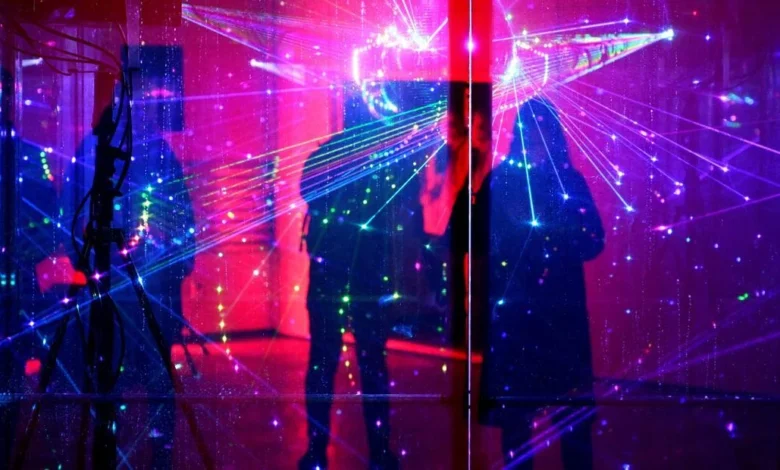
The historic streets of Trencin, a city nestled in the picturesque mountains of northwestern Slovakia, have been transformed into a vibrant canvas of luminescence as the Light Art Festival marks its second successful year. This event serves as a cornerstone of the city’s strategic preparation for its upcoming tenure as the European Capital of Culture (ECoC) in 2026, a prestigious designation that promises to redefine the region’s cultural and economic landscape. Drawing thousands of spectators from across Central Europe, the festival has effectively turned the city’s architectural heritage into a modern gallery of light, sound, and interactive technology.
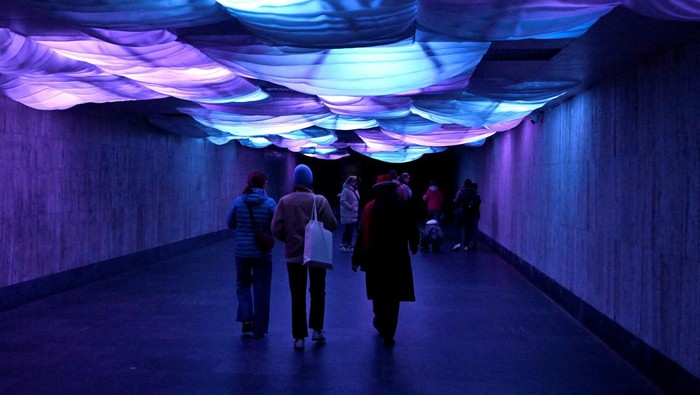
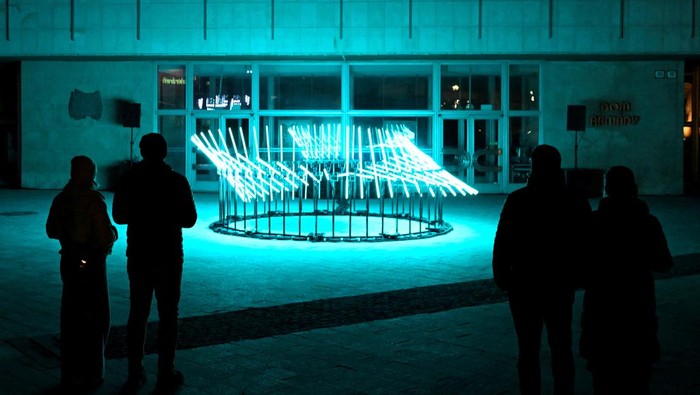
Under the dark skies of mid-April, the city of approximately 55,000 residents saw its population swell as an estimated 10,000 visitors navigated through narrow medieval alleys and open squares to witness the spectacle. The festival features a curated selection of installations ranging from large-scale projection mapping on the walls of the iconic Trencin Castle to intimate, thought-provoking neon sculptures hidden in quiet courtyards. This year’s theme focused on "Continuity and Change," reflecting the city’s transition from a regional historical center to a modern European cultural hub.

A Strategic Milestone for Trencin 2026
The Light Art Festival is not merely an aesthetic endeavor but a calculated step in the "Trencin 2026" roadmap. Since being awarded the ECoC title by an international jury of experts, the city administration has focused on creating a "cultural infrastructure" that extends beyond physical buildings. The festival serves as a testing ground for large-scale event management, international artistic collaboration, and public engagement.
The European Capital of Culture initiative, established in 1985, aims to highlight the richness and diversity of cultures in Europe, celebrate the cultural features Europeans share, and increase European citizens’ sense of belonging to a common cultural area. For Trencin, winning this title over other Slovakian contenders was a historic achievement. By hosting the Light Art Festival, the city is demonstrating its capacity to handle the logistical demands of a high-profile international event while fostering a unique identity that blends its Roman-era history with contemporary digital art.
Artistic Innovation and International Collaboration
This year’s iteration of the festival saw a significant increase in international participation. Curators invited light artists and tech collectives from France, Germany, Poland, and the Czech Republic to collaborate with local Slovakian talents. This cross-border exchange is a fundamental requirement of the ECoC program, which encourages cities to build networks across the European Union.

Among the highlights was a synchronized light and sound installation at the Mierové Square, where motion sensors allowed the audience to influence the patterns of light projected onto the facade of the Piarist Church of St. Francis Xavier. Such interactive elements are designed to bridge the gap between the artwork and the observer, making the cultural experience participatory rather than passive.
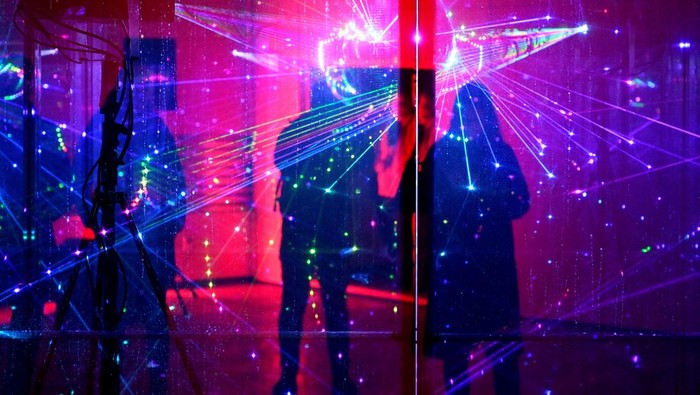
Technical experts involved in the festival noted that the installations utilized the latest in sustainable LED technology and low-energy laser systems. This focus on sustainability aligns with the broader European Green Deal objectives, which are increasingly being integrated into cultural programming across the continent. Organizers emphasized that the goal was to create maximum visual impact with a minimal carbon footprint, setting a precedent for future festivals in the region.
Historical Context and Chronology of the Event
To understand the significance of the Light Art Festival, one must look at the timeline of Trencin’s cultural evolution. The city’s journey toward 2026 began in earnest in 2020, during the initial bidding phase for the ECoC title.

- 2020–2021: The Bid Phase. Trencin developed a comprehensive cultural strategy titled "Cultivating Curiosity." The strategy focused on revitalizing the city’s relationship with the Váh River and utilizing its historical landmarks for modern artistic expression.
- December 2021: The Designation. Trencin was officially named the European Capital of Culture 2026 for Slovakia, alongside Oulu in Finland.
- April 2025: The Inaugural Light Art Festival. The first festival was launched as a pilot project. Despite being a new concept for the city, it exceeded attendance expectations, drawing nearly 10,000 visitors and proving the local appetite for contemporary art.
- April 2026: The Expansion. The current second edition has expanded its footprint, incorporating more "fringe" locations and increasing the number of international installations.
- Looking Ahead to 2026: The festival is expected to be the flagship event of the spring season during the official ECoC year, with plans to double the number of installations and extend the duration of the event.
Economic Impact and Urban Revitalization
The influx of 10,000 visitors provides a substantial boost to the local economy, particularly for the hospitality and service sectors. Local businesses, including hotels, restaurants, and cafes, reported record-breaking mid-week footfall. Economic analysts suggest that events like the Light Art Festival have a "multiplier effect," where cultural investment leads to increased tourism revenue and long-term brand recognition for the city.
Beyond the immediate financial gains, the festival is a catalyst for urban revitalization. The city has used the ECoC preparations as a lever to secure funding for the renovation of public spaces. Improvements in street lighting, pedestrian pathways, and public transport links—initially implemented to facilitate festival-goers—will remain as permanent benefits for the residents of Trencin.
"The festival changes the way we perceive our own city," noted a local urban planner. "By illuminating neglected corners and highlighting the beauty of our historic architecture through a modern lens, we are encouraging citizens to take pride in their urban environment. This social cohesion is just as important as the economic data."
Official Responses and Public Sentiment
The municipal government has expressed overwhelming support for the festival’s growth. In a statement regarding the event’s success, city officials highlighted that the Light Art Festival is a "shining example" of how Trencin is ready to take its place on the European stage. The mayor’s office emphasized that the city is not just hosting a party but is undergoing a fundamental transformation into a creative hub that will attract talent and investment long after 2026.
Public sentiment appears to mirror this optimism. Surveys conducted during the festival indicated that a majority of residents feel the ECoC designation is a positive development for the city’s international profile. Younger demographics, in particular, have praised the festival for bringing "metropolitan energy" to Trencin, providing a platform for digital artists who previously had to move to Bratislava or Prague to find work.
However, the rapid growth of the event has also brought challenges. Residents in the city center have raised concerns regarding noise levels and crowd management. The city administration has responded by implementing a "smart crowd control" system and ensuring that installations in residential areas are dimmed after midnight. These logistical adjustments are part of the learning curve as the city prepares for the even larger crowds expected in 2026.
Analysis of Broader Implications
The success of the Light Art Festival in Trencin reflects a broader trend in European cultural policy: the move toward "eventization" as a tool for regional development. For smaller cities like Trencin, which are often overshadowed by national capitals, the European Capital of Culture program provides a rare opportunity to compete on an international level.
By focusing on light art, Trencin is tapping into a medium that is inherently accessible. Unlike traditional high-brow art forms that may feel exclusionary, light festivals are democratic and family-friendly. They reclaim the "night-time economy" and turn the city into a safe, communal space. This approach is vital for building the "cultural audience" necessary to sustain the city’s institutions in the future.
Furthermore, the festival serves as a diplomatic tool. By inviting international artists and hosting foreign dignitaries, Trencin is strengthening Slovakia’s ties with the broader European community. In an era of political fragmentation, cultural initiatives like the ECoC remain one of the most effective ways to promote European integration and mutual understanding.
Conclusion: The Road to 2026
As the lights dim on this year’s festival, the focus in Trencin shifts immediately to the final stages of preparation for 2026. The lessons learned from this edition—ranging from technical requirements for high-definition projections to the management of tourist flows—will be invaluable.
The city now stands at a crossroads. The success of the Light Art Festival has proven that there is a global audience for Trencin’s unique brand of "historical-meets-modern" culture. As 2026 approaches, the world will be watching to see if this small city in the Slovakian mountains can sustain this momentum and deliver a year of programming that truly resonates across the continent. For now, the glow from the festival remains a beacon of hope and a testament to the transformative power of art in the heart of Europe.