Socio Today
The prevalence of abdominal adiposity, colloquially known as belly fat, has become a primary concern for public health officials and fitness enthusiasts alike, as it is often the most persistent area of the body for fat storage. While aesthetic concerns frequently drive the desire for a flatter stomach, the medical community emphasizes that reducing waist circumference is critical for mitigating the risks of metabolic syndrome, Type 2 diabetes, and cardiovascular disease. Recent developments in sports science suggest that achieving a toned midsection does not necessarily require high-cost gym memberships or complex machinery. Instead, a strategic combination of consistent low-impact movements, such as those performed on a simple floor mat or mattress, can significantly enhance core strength and contribute to a more defined physique when paired with systemic fat loss strategies.
The Physiological Context of Abdominal Fat and Core Strength
To understand why specific exercises are effective, it is necessary to distinguish between subcutaneous fat, which sits just under the skin, and visceral fat, which surrounds internal organs. While the latter is more metabolically active and dangerous to health, both respond to a combination of caloric deficit and muscular engagement. The concept of "spot reduction"—the idea that exercising a specific muscle will burn fat only in that area—has been largely debunked by exercise physiologists. However, strengthening the core muscles (the rectus abdominis, obliques, and transverse abdominis) creates a "corset effect," pulling the midsection in and improving posture, which immediately alters the appearance of the abdomen. Furthermore, increasing muscle mass through resistance movements, even simple ones, elevates the basal metabolic rate (BMR), allowing the body to burn more calories at rest.

A Detailed Analysis of High-Efficiency Core Movements
For those seeking to initiate a fitness regimen from the comfort of their homes, several key movements have been identified by fitness experts as particularly effective for targeting the various layers of the abdominal wall.
1. The Bicycle Crunch: Targeting the Obliques and Rectus Abdominis
The bicycle crunch is frequently cited by the American Council on Exercise (ACE) as one of the most effective movements for abdominal recruitment. Unlike a standard crunch, the bicycle crunch requires a rotational element that engages the internal and external obliques.
- Mechanism: By bringing the opposite elbow to the opposite knee while maintaining a "pedaling" motion with the legs, the practitioner creates a cross-body tension that forces the core to stabilize the torso against gravity.
- Implementation: To maximize efficacy, the movement should be slow and controlled, ensuring that the shoulder blades remain off the ground and the neck is not strained.
2. Flutter Kicks: Engaging the Lower Abdominal Wall and Hip Flexors
Flutter kicks are a staple in military and athletic training due to their ability to build endurance in the lower abdominal region and the hip flexors.
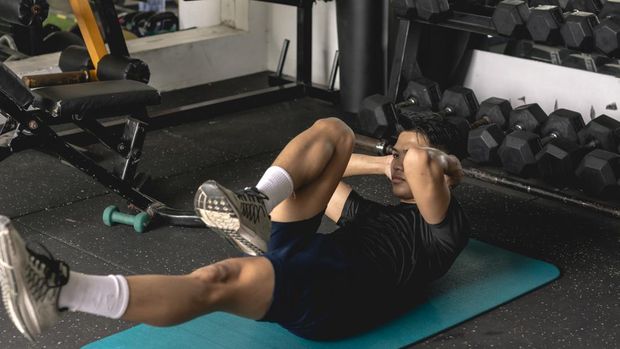
- Mechanism: Lying flat with hands under the glutes for lumbar support, the individual lifts the legs slightly and performs small, rapid up-and-down movements. This creates a constant state of tension (Time Under Tension) in the lower rectus abdominis.
- Safety Note: Maintaining a flat lower back against the surface is crucial to prevent strain on the lumbar spine.
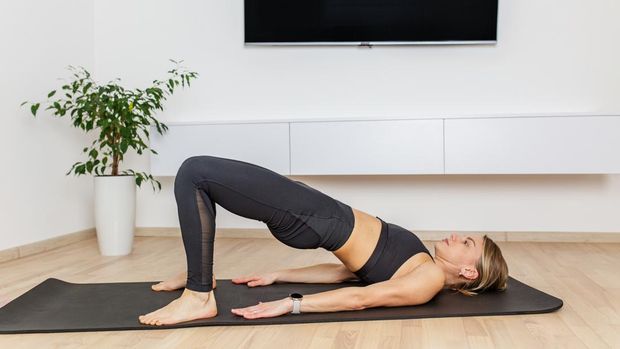
3. The Glute Bridge: Posterior Chain Integration
While often categorized as a glute exercise, the bridge is essential for abdominal health. A weak posterior chain (lower back and glutes) often leads to a protruding abdomen due to anterior pelvic tilt.
- Mechanism: By lifting the hips toward the ceiling while keeping the feet flat, the practitioner engages the glutes and the transverse abdominis—the deepest layer of the core.
- Benefit: This movement helps "reset" the pelvis, leading to a flatter-looking stomach and improved spinal alignment.
4. Leg Raises: High-Intensity Lower Core Development
Leg raises are considered a progression for those who have mastered basic stability. They require significant strength to prevent the back from arching.
- Mechanism: Raising the legs to a 90-degree angle and lowering them slowly without touching the floor forces the lower abdominals to work against the weight of the limbs.
- Impact: This movement is highly effective for defining the "V-cut" area of the lower torso.
5. Toe Touches: Vertical Core Compression
Toe touches involve reaching toward the feet while the legs are extended vertically.
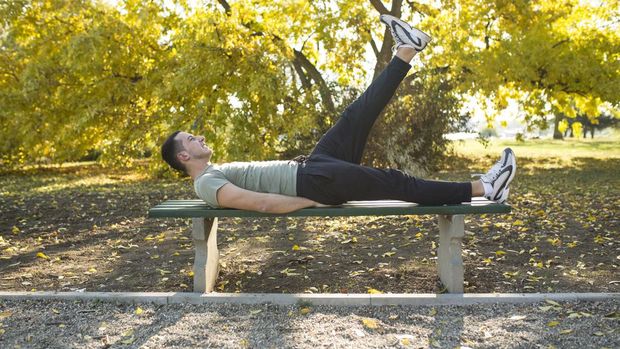
- Mechanism: This movement targets the upper abdominals through a concentrated crunching motion. It requires both flexibility and muscular endurance, making it a comprehensive finisher for a core routine.
6. Reverse Crunches: Protecting the Lumbar Spine
The reverse crunch is often recommended by physical therapists as a safer alternative to traditional sit-ups.
- Mechanism: Instead of moving the upper body toward the knees, the knees are pulled toward the chest, lifting the hips slightly off the mat.
- Analysis: This stabilizes the upper spine while placing the workload entirely on the lower abdominal muscles, reducing the risk of neck strain.
Supporting Data and Scientific Evidence
Data from various kinesiology studies suggest that consistency outweighs intensity for long-term fat loss. A 2021 study on home-based resistance training found that participants who engaged in 20 minutes of core-focused exercise three times a week saw a 4% reduction in waist circumference over 12 weeks, even without significant dietary changes. However, when combined with a high-protein, controlled-calorie diet, the results were doubled.
Furthermore, the "Afterburn Effect," or Excess Post-exercise Oxygen Consumption (EPOC), is triggered even by bodyweight exercises. When these movements are performed in a circuit—moving from one exercise to the next with minimal rest—the heart rate remains elevated, promoting cardiovascular health alongside muscular toning.
Chronology of a Sustainable Fitness Integration
Experts suggest a phased approach to implementing these exercises to ensure long-term adherence and prevent injury:
- Phase 1 (Weeks 1-2): Focus on form and breathing. Perform each exercise for 30 seconds with 30 seconds of rest. The goal is to establish the mind-muscle connection.
- Phase 2 (Weeks 3-6): Increase the duration of the movements to 45 seconds and reduce rest to 15 seconds. Introduce a second round of the circuit.
- Phase 3 (Weeks 7-12): Implement "AMRAP" (As Many Reps As Possible) sets. At this stage, the core should be strong enough to support more complex movements or the addition of light ankle weights.
Expert Responses and Industry Analysis
Fitness industry analysts note a significant shift toward "minimalist fitness." With the rise of remote work, more individuals are seeking "exercise snacks"—short bursts of activity that can be done between tasks. "The barrier to entry for fitness has never been lower," says a leading sports nutritionist. "The realization that a bed or a living room floor can serve as a training ground is empowering for people who feel intimidated by the gym environment."
However, medical professionals caution that exercise is only one piece of the puzzle. Chronic stress, which elevates cortisol levels, is a known contributor to the accumulation of visceral fat. Therefore, these physical exercises should ideally be paired with adequate sleep and stress management techniques to see optimal results in the abdominal region.

Broader Implications and Public Health Impact
The democratization of fitness through simple, equipment-free routines has profound implications for global health. As obesity rates continue to rise, the promotion of accessible movements like the bicycle crunch or glute bridge offers a scalable solution for sedentary populations. By reducing the reliance on specialized equipment, public health initiatives can more effectively reach lower-income communities or those with limited time.
In conclusion, while the "perut buncit" or distended abdomen remains a challenge for many, the path to a stronger, leaner core is rooted in the fundamentals of biomechanics. By integrating these six simple movements into a daily routine and maintaining a holistic approach to health—encompassing nutrition, sleep, and consistency—individuals can achieve significant improvements in both their physical appearance and their long-term metabolic health. The simplicity of these exercises is their greatest strength, proving that the most effective tools for transformation are often the ones already at our disposal.