Socio Today
The discovery of raw plant roots and clumps of soil inside a sandwich purchased from a reputable cafe in Ampang, Malaysia, has ignited a widespread debate regarding food hygiene standards and the responsibilities of food and beverage (F&B) operators. The incident, which was documented and shared on the social media platform Threads, highlights a significant lapse in kitchen protocols, particularly in the preparation of fresh produce. A customer, identified as Riesya, reported that she purchased a beef salami sandwich for RM 22 (approximately Rp 77,000) on Saturday, July 18, only to find that the vegetables inside had not been cleaned, trimmed, or processed before being served to the public.
A Detailed Chronology of the Incident
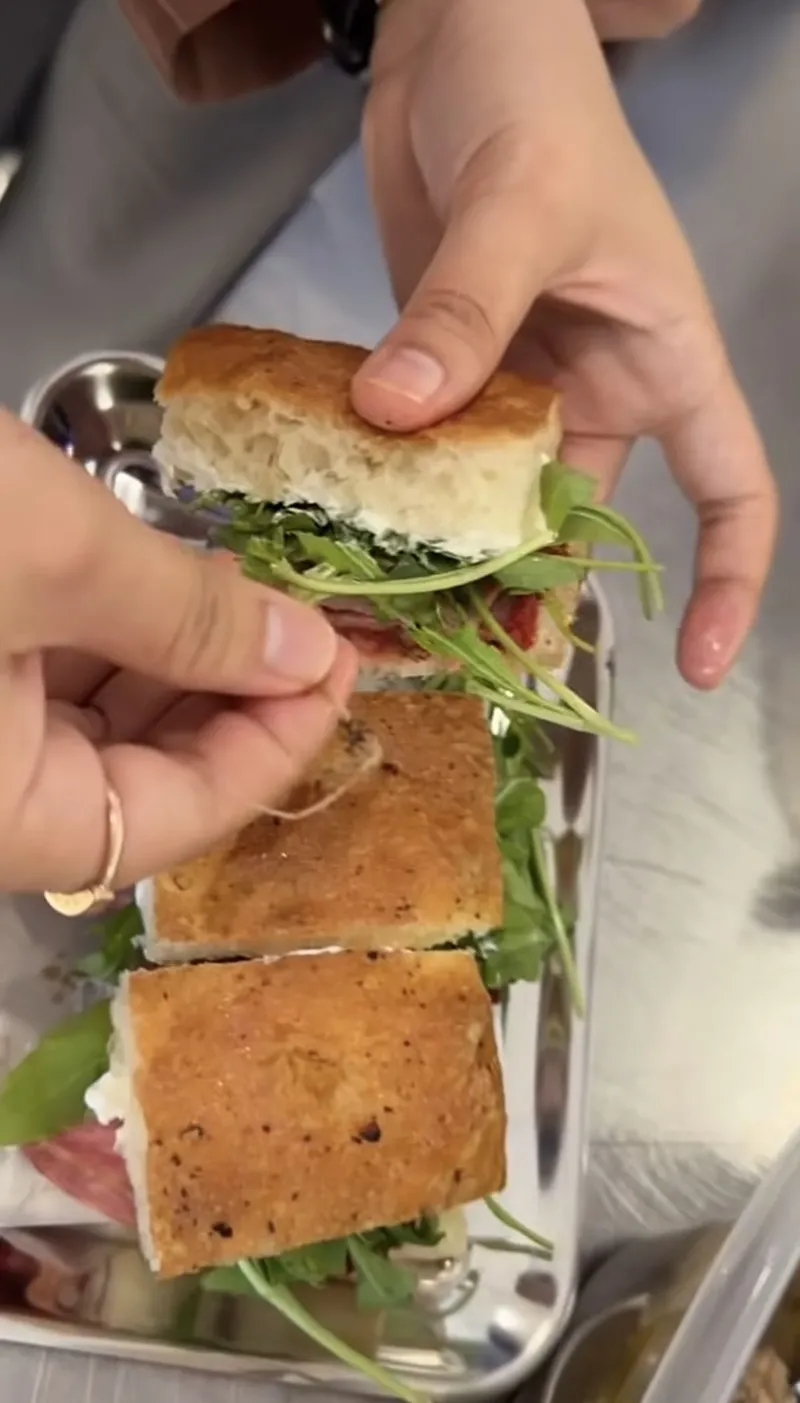
The event unfolded when Riesya visited a popular cafe in the Ampang district, an area known for its vibrant culinary scene and upscale eateries. Opting for a quick meal to-go, she ordered a beef salami sandwich featuring a mix of meat and fresh greens. According to her account on the social media handle @rsyarzmnn, the sandwich appeared normal upon initial inspection. The aroma and the visible layers of bread and meat did not immediately suggest any underlying issues.
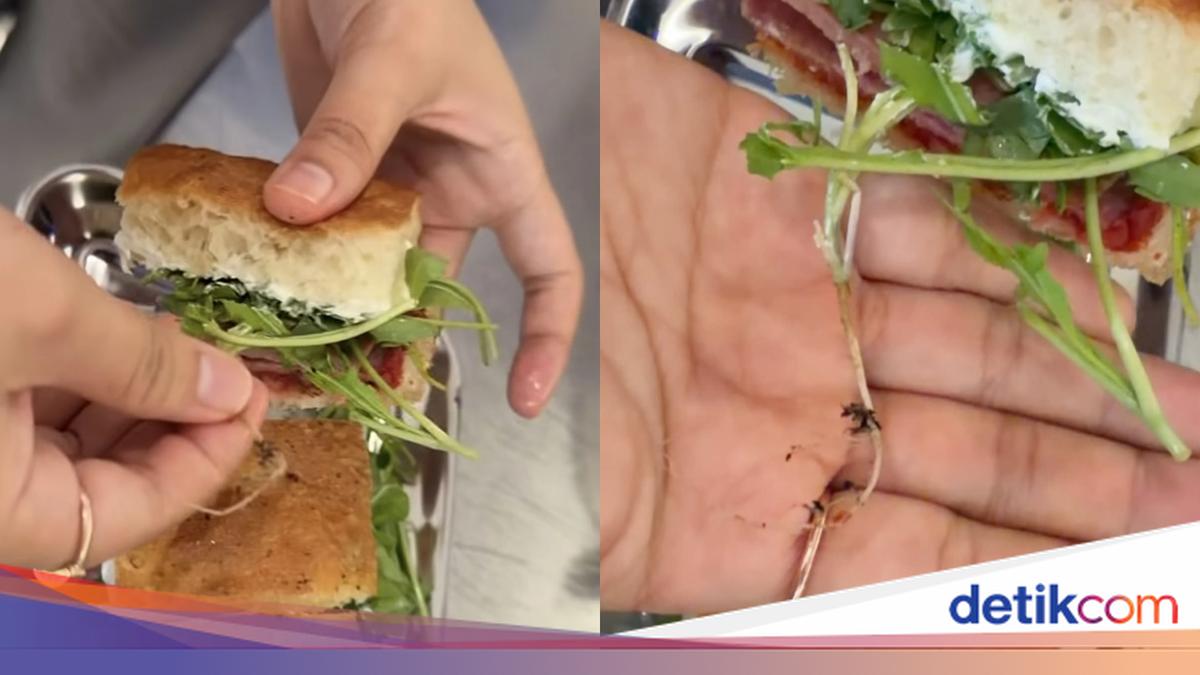
It was only after Riesya reached her workplace and prepared to eat the meal that the discrepancy was discovered. Following a common practice of cutting large sandwiches in half for easier consumption, she noticed an unusual texture among the greens. Upon closer examination, she discovered a long, intact root system protruding from the lettuce or sprouts used in the filling. Most alarmingly, the ends of these roots were still encased in dark, moist soil, indicating that the vegetable had been taken directly from its growing medium and placed into the sandwich without any form of washing or preparation.
Riesya shared her shock on Threads, posting photos and videos of the "bonus" ingredient. "I bought a beef salami sandwich from a cafe around Ampang, and it came with a bonus of plant roots complete with soil," she wrote. Her tone was a mix of disbelief and sarcasm, noting that the ingredients were "so fresh they could probably be replanted." Despite the unpleasant discovery, Riesya confirmed that she did not ingest the soil and, consequently, did not suffer from immediate health complications or food poisoning.
The Professional Background of the Complainant
One of the factors that lent significant weight to the viral post was Riesya’s own professional background. She revealed that she also works within the F&B industry and is specifically tasked with preparing sandwiches in her own line of work. This detail resonated with many netizens, as it underscored that her complaint was not merely that of a disgruntled customer, but rather a professional observation of a failure in basic food safety standards.
"Standard hygiene in food preparation is non-negotiable," she stated in response to comments on her post. She emphasized that in any professional kitchen, vegetables—especially those grown in soil or hydroponically—must undergo a rigorous cleaning process to remove dirt, pesticides, and potential pathogens. The presence of a full root system and soil suggests a complete bypass of the "mise en place" stage, where ingredients are prepared before the service rush begins.
Health Risks Associated with Unwashed Produce
The presence of soil in ready-to-eat food is more than a cosmetic or aesthetic issue; it poses a genuine biological hazard. Public health experts note that soil is a primary reservoir for various pathogens, including bacteria, parasites, and fungi. When vegetables are not washed, consumers are at risk of several serious conditions.
First, Escherichia coli (E. coli) and Salmonella are frequently found in soil, particularly if organic fertilizers or animal manure were used in the farming process. These bacteria can cause severe gastrointestinal distress, dehydration, and in vulnerable populations, systemic infections. Second, soil can harbor Listeria monocytogenes, a hardy bacterium that can survive in cool, moist environments like cafe refrigerators. Third, there is the risk of parasitic infections such as Toxoplasmosis or various types of helminths (worms) whose eggs may reside in the earth.
In the context of Malaysia’s climate, where humidity and heat can accelerate the growth of bacteria, the failure to wash produce is a critical violation of the Food Hygiene Regulations 2009. These regulations mandate that all food handlers ensure that food is protected from any contamination that might render it unfit for human consumption.
Public Reaction and the Ethics of Social Media Complaints
The viral nature of the post led to a divided reaction among the Malaysian public. While the majority of users expressed horror at the lack of hygiene, a subset of commenters questioned Riesya’s decision to post the incident online before seeking a direct resolution with the cafe. Some argued that "cancel culture" can unfairly damage small businesses and that the owner should have been given the opportunity to provide a refund or an explanation privately.
Riesya addressed these concerns by explaining her motivations. She deliberately chose not to tag the cafe or explicitly name it in her initial viral posts, stating that her goal was not to "shame" or "destroy" the business, but to raise awareness about food safety. She eventually left a review on Google to ensure the management was aware of the lapse. "My main concern isn’t a refund," she clarified. "The most important thing is the cleanliness of the food we pay for."
This incident highlights the evolving landscape of consumer rights in the digital age. Social media has become a powerful tool for accountability, forcing businesses to maintain high standards or face public scrutiny. However, it also places a burden on consumers to balance their right to complain with the potential economic impact on the business.
Official Response and Institutional Accountability
Following the traction of the post, the management of the Ampang cafe reached out to Riesya to offer a formal apology. According to the updates provided, the cafe owners admitted to the oversight and promised an internal investigation into their kitchen procedures. They indicated that they would evaluate their staff’s performance and reinforce training regarding the preparation of raw ingredients.
This incident serves as a case study for F&B operators on the importance of Quality Control (QC). In many high-traffic cafes, the "rush hour" can lead to shortcuts. However, in the hierarchy of kitchen tasks, the washing of greens is a fundamental step that cannot be sacrificed for speed. The cafe’s proactive apology was a necessary step in damage control, yet the incident remains a permanent part of their digital footprint.
Economic Implications and Consumer Expectations
The price of the sandwich—RM 22—also played a role in the public’s frustration. In the Malaysian market, RM 22 for a single sandwich places it in the "premium" or "artisanal" category. Consumers paying a premium expect not only high-quality ingredients but also a higher standard of care in preparation. When a premium price tag is met with a "sub-standard" level of hygiene, the perceived value of the brand diminishes rapidly.
The Malaysian F&B industry has been under pressure due to rising ingredient costs and labor shortages. However, industry analysts argue that these challenges do not excuse basic safety failures. The "premiumization" of the cafe culture in areas like Ampang and Kuala Lumpur requires a matching investment in food safety certifications, such as MeSTI (Makanan Selamat Tanggungjawab Industri) or HACCP (Hazard Analysis and Critical Control Points), which provide a framework for preventing such incidents.
Conclusion: A Call for Higher Standards
The "root and soil" incident in Ampang is a stark reminder that food safety is the foundation of the hospitality industry. While the customer in this case was fortunate enough to spot the contamination before consumption, the situation could have resulted in a significant health crisis had the soil contained harmful pathogens.
For consumers, this event serves as a reminder to remain vigilant and inspect their food, even in reputable establishments. For F&B owners, it is a wake-up call to return to the basics of kitchen hygiene. As the culinary industry continues to grow and evolve, the trust between the server and the diner remains the most valuable commodity. That trust is built on the assurance that the food served is not only delicious but, more importantly, safe to eat. Riesya’s experience, while unpleasant, has sparked a necessary conversation that may lead to stricter adherence to hygiene protocols across the industry, ultimately benefiting the public at large.