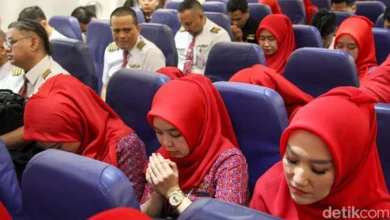
As the global Muslim community prepares for the 2026 Hajj season, the Kingdom of Saudi Arabia is readying its infrastructure to welcome millions of worshippers to the holy cities of Makkah and Medina. While the core rituals of the Hajj pilgrimage are centered in Makkah and its surrounding sites—Arafat, Muzdalifah, and Mina—the city of Medina remains an essential spiritual and historical destination for nearly all international pilgrims. With the first wave of pilgrims scheduled to arrive on April 21, 2026, for a 40-day itinerary, many will find themselves with significant intervals of time to explore the rich Islamic heritage preserved within the "Radiant City."
The 2026 Hajj season marks a continued evolution in how the Saudi Ministry of Hajj and Umrah manages the flow of visitors. Under the broader framework of the Saudi Vision 2030, there has been a concerted effort to shift the narrative from simple "religious tourism" to a more comprehensive "pilgrim enrichment experience." Although the term "religious tourism" has been officially discouraged by the Saudi government since 2019 to maintain the sanctity of the pilgrimage, the state has simultaneously invested billions in preserving and opening historical sites that allow pilgrims to connect with the biography of the Prophet Muhammad and the early history of Islam.
The 2026 Hajj Timeline and Logistics
The 2026 Hajj operations are structured around a rigorous schedule to ensure the safety and comfort of millions. The arrival of the first flights on April 21, 2026, signals the start of a massive logistical operation that spans the entry points of Jeddah and Medina. Most pilgrims spend approximately eight days in Medina, either before or after the five-day Hajj ritual in Makkah. This period in Medina is traditionally used for "Arba’een," the practice of performing forty consecutive prayers at Al-Masjid an-Nabawi (the Prophet’s Mosque), although this is a recommended tradition rather than a mandatory pillar of Hajj.
The 40-day duration of the typical Hajj package provides a window for pilgrims to venture beyond the immediate vicinity of the Prophet’s Mosque. For the 2026 season, authorities have enhanced local transportation networks, including the Haramain High-Speed Railway, which connects Medina to Makkah in approximately two hours, and an expanded fleet of electric shuttle buses serving historical landmarks.
Jabal Uhud: A Site of Sacrifice and Spiritual Significance
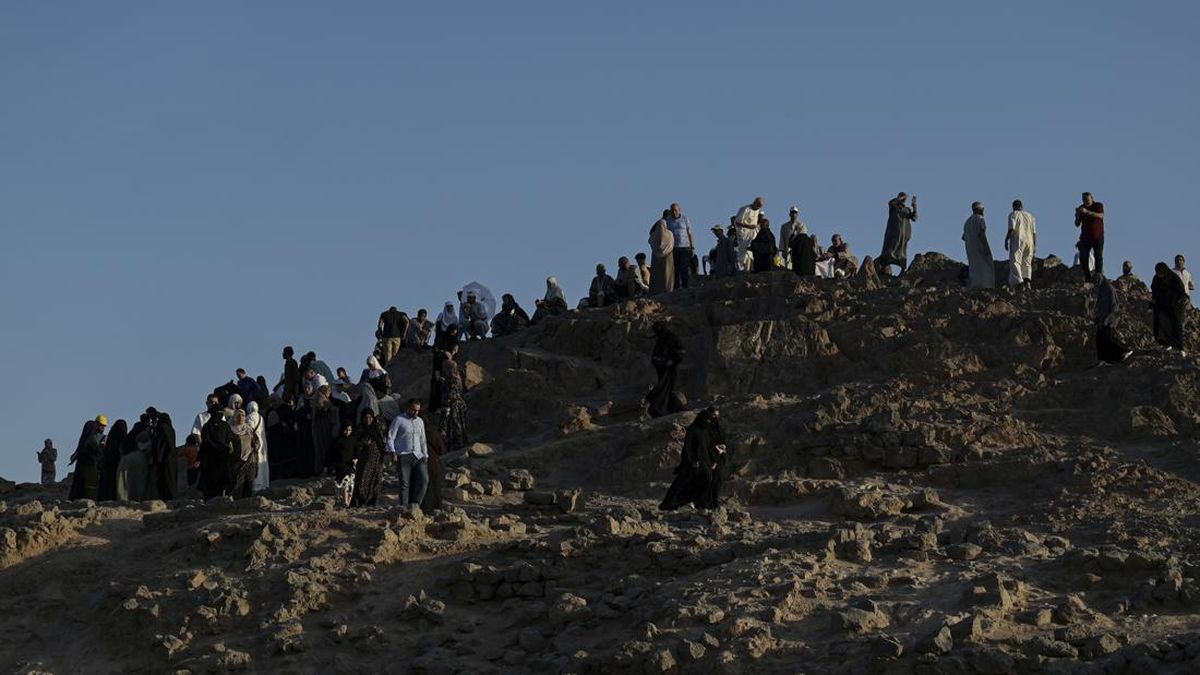
One of the most prominent destinations for pilgrims in Medina is Jabal Uhud, or Mount Uhud. Located approximately five kilometers north of the city center, this massive volcanic mountain range holds a profound place in Islamic history. It was the site of the Battle of Uhud in 625 CE (3 AH), the second major encounter between the early Muslim community and the Quraysh of Makkah.
For pilgrims, Jabal Uhud is not merely a geographic landmark but a site of deep emotional and spiritual reflection. The Prophet Muhammad is recorded in several authentic narrations expressing his love for the mountain, stating, "Uhud is a mountain that loves us and we love it." Visitors typically congregate at the Archers’ Hill (Jabal al-Rumat), a small rocky mound where the Prophet positioned forty archers during the battle. Standing atop this hill provides a panoramic view of the battlefield and the Martyrs’ Cemetery (Shuhada Uhud).
The cemetery contains the graves of 70 companions of the Prophet who fell during the battle, most notably Hamzah ibn Abdul-Muttalib, the Prophet’s uncle. In recent years, the Saudi government has improved the area surrounding Jabal Uhud with better pedestrian walkways, informative signage in multiple languages, and organized market stalls where pilgrims can purchase local dates and memorabilia. The site serves as a somber reminder of the challenges faced by the early followers of Islam and is considered a "mountain of Paradise" in Islamic tradition.
The Al-Hejaz Railway Museum: A Bridge to the Ottoman Era
While much of Medina’s appeal is rooted in the 7th century, the Al-Hejaz Railway Museum offers a fascinating look at the city’s more recent history and its role in early 20th-century geopolitics. Located in the historic Al-Suqya district, the museum is housed in the original terminus of the Hejaz Railway, a project commissioned by the Ottoman Sultan Abdul Hamid II.
The railway was originally intended to connect Damascus in Syria to the holy cities of Medina and Makkah, primarily to facilitate the journey for pilgrims who previously had to endure months of arduous desert travel by camel caravan. Although the line to Makkah was never completed and the railway was eventually disabled during the Arab Revolt of World War I, the Medina station remains a masterpiece of Ottoman architecture.
Recognized as a UNESCO World Heritage site, the museum houses over 2,000 artifacts, including original steam locomotives, restored carriages, and detailed maps of the rail network. For the 2026 visitor, the museum provides a historical counterpoint to the ultra-modern Haramain Railway they likely used to arrive in the city. It serves as a testament to the long-standing efforts of various Islamic caliphates to modernize the Hajj experience and protect the routes used by the faithful.
Beyond the Mainstream: Quba and the Two Qiblas
In addition to Uhud and the Hejaz Museum, pilgrims in 2026 are encouraged to visit Masjid Quba and Masjid al-Qiblatain. Masjid Quba holds the distinction of being the first mosque built in Islamic history, established by the Prophet Muhammad immediately upon his migration (Hijrah) from Makkah to Medina. The Prophet used to visit Quba every Saturday to offer prayers, and modern pilgrims follow this sunnah, as a prayer in Masjid Quba is traditionally equated to the reward of performing an Umrah.
Masjid al-Qiblatain (The Mosque of the Two Qiblas) is another essential stop. It is the site where, according to Islamic tradition, the Prophet received the revelation to change the direction of prayer (Qibla) from Jerusalem to the Kaaba in Makkah. The architecture of the mosque historically featured two mihrabs (prayer niches), though modern renovations have focused the orientation solely toward Makkah while preserving the historical significance of the site through educational displays.
Economic and Cultural Impact of Pilgrim Exploration
The encouragement of pilgrims to visit these historical sites is a key component of Saudi Arabia’s economic diversification strategy. By extending the areas of interest within Medina, the Kingdom stimulates the local economy, supporting small businesses, tour guides, and the hospitality sector.
Data from the Saudi Ministry of Tourism suggests that pilgrims who engage in cultural exploration tend to stay longer and report higher levels of satisfaction with their Hajj journey. For 2026, the "Nusuk" digital platform has been further integrated to allow pilgrims to book guided tours of these sites directly through their smartphones, ensuring that the influx of visitors is managed sustainably and does not lead to overcrowding at any single location.
Official Responses and Safety Measures
Officials from the Medina Region Development Authority have emphasized that the preservation of these sites goes hand-in-hand with safety. For the 2026 season, new crowd-control technologies, including AI-monitored heat maps and increased security presence, have been deployed at Jabal Uhud and the surrounding mosques.
"Our goal is to provide a seamless transition from the spiritual intensity of the Prophet’s Mosque to the historical education found at our heritage sites," a spokesperson for the Ministry of Hajj and Umrah stated in a recent briefing. "We have worked to ensure that every location, from the heights of Uhud to the halls of the Hejaz Museum, is accessible to elderly pilgrims and those with disabilities, reflecting the inclusive nature of the Hajj."
Conclusion: The Holistic Hajj Experience
As the April 21 start date for the 2026 Hajj season approaches, Medina stands ready to offer more than just a place of prayer. It offers a chronological journey through the life of the Prophet and the evolution of the Islamic world. By visiting sites like Jabal Uhud and the Al-Hejaz Railway Museum, pilgrims gain a broader perspective on the resilience and heritage of the faith they have traveled thousands of miles to practice.
The enrichment of the Hajj itinerary with these historical visits ensures that the 2026 pilgrimage is not only a fulfillment of a religious obligation but also a profound educational experience. As the Kingdom continues to balance the demands of modern tourism with the sanctity of ancient tradition, Medina remains the quiet, historical heart of the Islamic world, inviting the faithful to reflect on the past while they pray for the future.