Donald Trump Criticizes Italian Prime Minister Giorgia Meloni Over Iran Policy and Defense of the Papacy

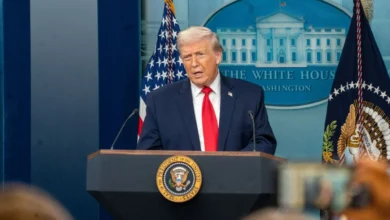
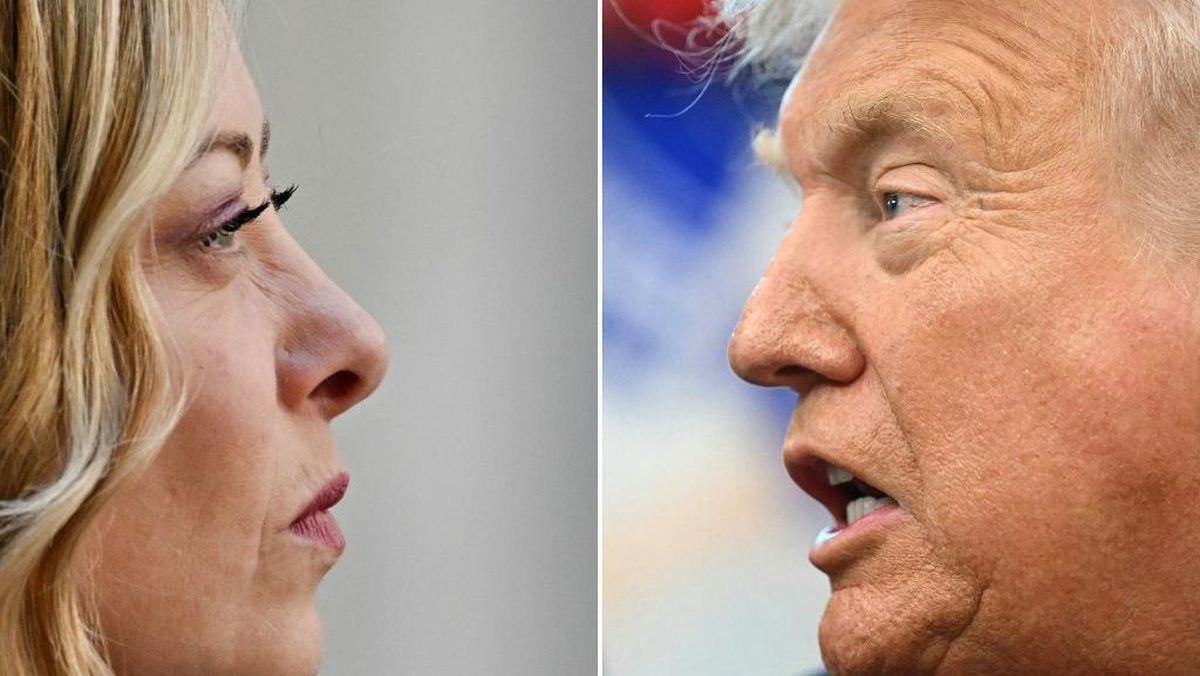
Donald Trump has launched a series of pointed criticisms against Italian Prime Minister Giorgia Meloni, signaling a significant rift between the former U.S. President and one of Europe’s most prominent conservative leaders. The tensions, which have played out across international media platforms, center on Meloni’s refusal to align Italy with the United States’ aggressive stance toward Iran and her vocal defense of Pope Leo XIV. In a series of interviews, Trump expressed his "shock" at Meloni’s foreign policy decisions, accusing her of lacking the necessary "courage" to confront Tehran and questioning her commitment to the strategic partnership that has historically defined U.S.-Italy relations. This public fallout marks a stark transition from the early days of Meloni’s premiership, when many political analysts expected a natural ideological alliance between the "America First" movement and Meloni’s "Brothers of Italy" administration.
The Roots of the Dispute: Iran and Energy Security
The primary catalyst for Trump’s dissatisfaction appears to be Italy’s reluctance to support U.S.-led initiatives aimed at neutralizing Iran’s regional influence and nuclear ambitions. Speaking with the Italian newspaper Corriere della Sera, Trump did not hold back in his assessment of Meloni’s leadership. "Giorgia Meloni does not want to help us in the war. I am surprised," Trump stated, referring to the ongoing geopolitical struggle involving the Iranian regime. He further questioned whether the Italian public supported their leader’s perceived passivity regarding Iran’s energy resources, asking, "Do people like the fact that your president is doing nothing to get the oil [in Iran]?"
Trump’s rhetoric suggests a transactional view of foreign policy, where allies are expected to provide tangible support in exchange for security guarantees. In a separate appearance on the Fox News program Mornings with Maria, Trump intensified his critique, stating that the bilateral relationship had been fundamentally altered by Meloni’s stance. "She is being negative. Anyone who refuses to help us in this Iran situation, we do not have the same relationship," he told host Maria Bartiromo. For Trump, Italy’s refusal to participate in "maximum pressure" tactics against Tehran is viewed as a betrayal of the Atlanticist solidarity he expects from Western partners.
The Vatican Dimension: Defending Pope Leo XIV
Beyond the realm of hard security and energy politics, the dispute has taken an unusual turn into the sphere of religious and moral authority. Trump reportedly directed criticisms toward Pope Leo XIV, a move that prompted a sharp rebuttal from the Italian Prime Minister. Meloni, who has often highlighted her identity as a "Christian mother" and defender of traditional values, found Trump’s comments regarding the Holy Father to be "unacceptable."
In a statement to the press, Meloni emphasized the Pope’s sovereign and spiritual role in global affairs. "The Pope is the head of the Catholic Church, and it is right and natural for him to call for peace and condemn all forms of war," Meloni said, according to reports from AFP. She clarified her position by adding, "I think the meaning of my statement is clear, but I will say it again explicitly. I consider President Trump’s words about the Holy Father unacceptable."
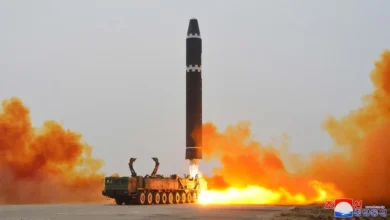
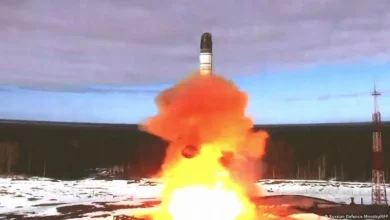
Trump’s response to Meloni’s defense of the Pope was equally combative. He told Italian media that it was Meloni herself who was "unacceptable" because, in his view, she is failing to recognize the existential threat posed by a nuclear-armed Iran. "She is the one who is unacceptable. Because she doesn’t care if Iran has nuclear weapons and will blow up Italy in two minutes if it has the chance," Trump claimed, escalating the rhetoric to include warnings of national destruction.
Chronology of the Escalation
The friction between the two leaders did not emerge in a vacuum but is the result of a series of policy shifts within the Italian government.
- Suspension of Defense Agreements: The tension began to simmer after Meloni’s administration decided to suspend the automatic renewal of a defense cooperation agreement with Israel. This move was seen by Trump and his allies as a weakening of the Western front in the Middle East.
- The Corriere della Sera Interview: Trump used this platform to publicly label Meloni as "lacking courage," a direct hit at her political brand which is built on toughness and national sovereignty.
- Fox News Appearance: Trump solidified his stance on U.S. television, signaling to his domestic base that Meloni is no longer considered a reliable ally under his "America First" framework.
- The Papal Rebuttal: Meloni’s decision to directly challenge Trump’s comments on the Pope turned a policy disagreement into a personal and ideological clash.
Italy’s Strategic Positioning and the "Mattei Plan"
To understand Meloni’s resistance to Trump’s demands, one must look at Italy’s broader strategic objectives. Under Meloni, Italy has pursued the "Mattei Plan for Africa," a foreign policy initiative aimed at turning Italy into a major energy hub for Europe while fostering development in African nations to curb illegal migration. This plan requires stability in the Mediterranean and the Middle East, a goal that often conflicts with the highly disruptive sanctions and military posturing favored by the Trump wing of the Republican Party.
Italy’s dependence on energy imports also plays a critical role. While Trump criticized Meloni for not "getting the oil" from Iran, Italy’s energy giant, Eni, and the Italian government have historically sought to balance their adherence to international sanctions with the need to maintain diverse energy supply lines. Meloni’s approach suggests a preference for European-led diplomacy and multilateralism over the unilateralist "maximum pressure" campaigns that characterized the Trump presidency.
Implications for NATO and the G7
The public spat between Trump and Meloni has broader implications for the future of the North Atlantic Treaty Organization (NATO) and the Group of Seven (G7). Italy currently holds the G7 presidency, and Meloni has used this position to champion a "pragmatic" approach to global conflicts, including the war in Ukraine and tensions in the Middle East.
If Trump were to return to the White House, this rift suggests that the Transatlantic alliance could face significant internal stress. Trump’s willingness to publicly berate a conservative ally like Meloni indicates that he will not grant "ideological passes" to European leaders who do not strictly adhere to his foreign policy mandates. For Italy, this creates a precarious situation: balancing its vital security relationship with the U.S. against its economic interests and its moral obligations as the host of the Vatican.
Analyzing the Impact on Conservative Alliances
Historically, right-wing leaders in Europe have looked to Donald Trump as a source of inspiration. However, Meloni’s tenure has shown a more traditional "Atlanticist" and "Institutionalist" streak than her critics or supporters originally anticipated. She has remained a staunch supporter of Ukraine and has worked closely with the European Commission President Ursula von der Leyen.
Trump’s criticism of Meloni may alienate some of his European admirers who see Meloni as a successful model for modern national-conservatism. By attacking her on the grounds of "courage" and her defense of the Pope, Trump risks appearing out of touch with the specific cultural and religious sensitivities that define European conservatism. Conversely, for Meloni, standing up to Trump could bolster her image as a mature statesperson who puts Italian interests and values above the whims of foreign leaders, even those with whom she shares some ideological common ground.
The Role of the Holy See in Global Diplomacy
The inclusion of Pope Leo XIV in this political firestorm highlights the unique role the Vatican plays in Italian and international politics. The Holy See has long maintained a policy of "positive neutrality," allowing it to serve as a mediator in global conflicts. Meloni’s defense of the Pope’s right to call for peace is consistent with the traditional stance of the Italian state, which views the Papacy as a vital instrument of soft power.
Trump’s dismissal of the Pope’s peace advocacy as "unacceptable" reflects a broader trend in his political rhetoric that prioritizes military and economic strength over traditional diplomatic or moral appeals. This clash underscores a fundamental disagreement on the nature of international relations: one side seeing it as a series of zero-sum power struggles, and the other seeing a role for moral authority and peace-seeking mediation.
Potential Economic and Security Consequences
The potential for a "downgraded" relationship, as hinted at by Trump, could have tangible consequences for Italy. These include:
- Defense Cooperation: If the U.S. reduces intelligence sharing or defense technology transfers, Italy’s national security could be impacted, particularly in its efforts to monitor Mediterranean migration routes and counter-terrorism.
- Trade Relations: Italy is a major exporter to the U.S., particularly in luxury goods, automotive parts, and machinery. A transactional trade policy under a future Trump administration could see Italy targeted with tariffs if it does not align with U.S. geopolitical goals.
- Energy Markets: Trump’s focus on Iranian oil suggests he may push for more aggressive enforcement of secondary sanctions, which could squeeze Italian companies still navigating the complex energy landscape of the Middle East.
Conclusion: A New Era of Transatlantic Friction
The exchange between Donald Trump and Giorgia Meloni is more than a mere war of words; it is a preview of the potential challenges facing the Western alliance in a shifting political landscape. Meloni’s insistence on a "sovereign but cooperative" Italy clashes with Trump’s demand for "alignment through pressure." As the U.S. approaches its next election cycle, the durability of the U.S.-Italy partnership will likely depend on whether these two leaders—or their respective movements—can find a way to reconcile their vastly different views on Iran, the Vatican, and the very meaning of "courage" in the 21st century.
For now, Meloni remains steadfast in her position, prioritizing the moral authority of the Church and the strategic autonomy of the Italian state. Trump, meanwhile, continues to use his platform to redefine the boundaries of American alliances, making it clear that in his world, there are no permanent friends, only permanent interests. The world will be watching closely to see if this rift can be healed or if it marks the beginning of a long-term divergence between Washington and Rome.