Vietjet Air Expands Indonesia-Vietnam Network with New Jakarta-Da Nang Route and Increased Flight Capacity

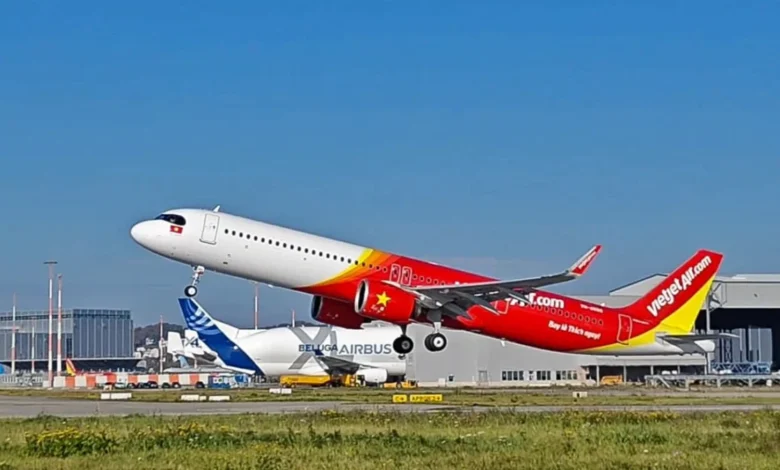
JAKARTA – In a strategic move to solidify its position as a leading low-cost carrier in Southeast Asia, Vietjet Air has officially announced a significant expansion of its flight network connecting Indonesia and Vietnam. This expansion is headlined by the introduction of a direct route between Jakarta and Da Nang, alongside a substantial increase in flight frequencies and seat capacity across its existing regional corridors. The announcement, made on Wednesday, April 15, 2026, underscores the airline’s commitment to enhancing regional connectivity and catering to the burgeoning demand for cross-border travel between two of ASEAN’s largest economies.
The centerpiece of this expansion is the Jakarta–Da Nang route, which is scheduled to commence operations on June 1, 2026. This new service will provide a direct link between Indonesia’s bustling capital and the coastal city of Da Nang, often referred to as the tourism capital of Central Vietnam. According to official statements from the airline, the route will operate with a frequency of five round-trip flights per week. This addition aims to facilitate easier access for Indonesian travelers to the UNESCO World Heritage sites located near Da Nang, such as the ancient town of Hoi An and the Imperial City of Hue, while simultaneously opening up Indonesia’s diverse business and tourism landscape to Vietnamese visitors.
Strategic Strengthening of Bilateral Connectivity
The launch of the Jakarta–Da Nang route complements Vietjet’s existing operations in Indonesia. Currently, the airline maintains robust schedules connecting Jakarta and Bali to Vietnam’s two primary hubs: Hanoi, the political capital, and Ho Chi Minh City, the nation’s economic powerhouse. By diversifying its destination portfolio to include Da Nang, Vietjet is addressing a specific niche in the market—leisure travelers seeking coastal destinations and cultural experiences without the need for multiple layovers.
Industry analysts suggest that Vietjet’s focus on Indonesia is a calculated response to the strengthening bilateral relations between the two nations. Trade volume between Indonesia and Vietnam has seen consistent growth, with both governments aiming to reach a bilateral trade target of $15 billion in the near future. Enhanced aviation links are viewed as a critical infrastructure component to support this economic synergy, fostering not only tourism but also business exchanges and logistics.
Operational Surge for the 2026 Holiday Season
In addition to the new international route, Vietjet is preparing for a massive surge in domestic and regional mobility during Vietnam’s upcoming peak holiday season. Spanning the end of April through early May 2026—a period that includes Vietnam’s Reunification Day and International Workers’ Day—the airline plans to operate nearly 3,800 domestic flights. This represents a significant scaling of operations designed to accommodate the millions of passengers expected to travel during the long holiday break.
The airline has confirmed that flight frequencies will be increased on primary routes connecting major cities such as Hanoi and Ho Chi Minh City to popular vacation spots including Da Nang, Nha Trang, and the island of Phu Quoc. This operational ramp-up is a proactive measure to prevent seat shortages and manage the inflationary pressure on ticket prices during high-demand periods. For Indonesian travelers utilizing Vietjet’s network to explore Vietnam beyond their initial arrival city, these increased domestic frequencies offer seamless connectivity and more flexible itinerary options.
Expanding the Asia-Pacific Footprint
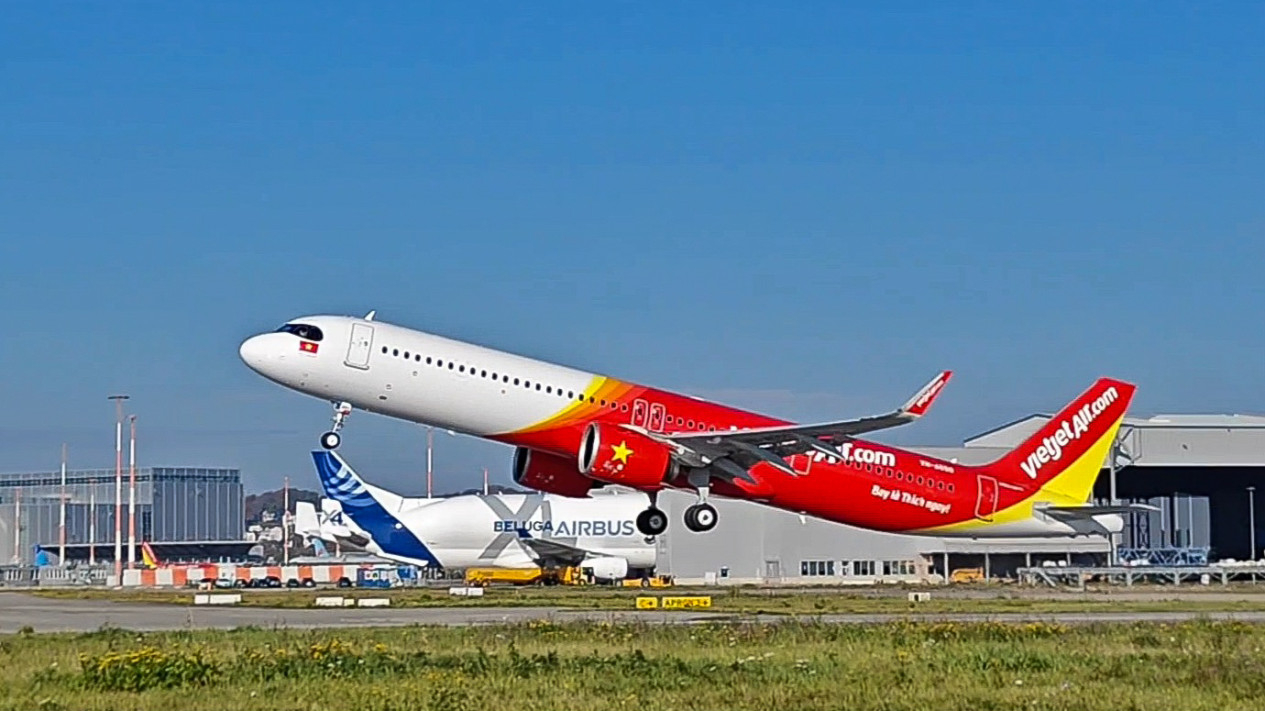
Vietjet’s growth strategy extends beyond the Indonesia-Vietnam corridor. As part of its broader ambition to dominate the Asia-Pacific low-cost market, the airline is also launching several other international routes. These include a new connection between the coastal resort city of Nha Trang and Singapore, as well as a strategic link between Hanoi and Shizuoka, Japan.
The Hanoi–Shizuoka route is particularly noteworthy as it provides travelers with a gateway to the Mount Fuji region, tapping into the high demand for Japanese tourism among Southeast Asian travelers. By expanding into secondary Japanese airports like Shizuoka, Vietjet continues its trend of identifying underserved markets with high growth potential. These moves indicate that the airline is successfully navigating the post-pandemic aviation landscape, characterized by a shift toward regional exploration and cost-conscious travel.
Massive Promotional Campaigns and Passenger Incentives
To celebrate this expansion and stimulate demand, Vietjet has launched one of its largest promotional campaigns to date. The airline is offering 11 million discounted tickets, with price reductions of up to 20 percent across its entire flight network. This promotion is scheduled to run until April 30, 2026, and covers travel periods through August 31, 2026.
Beyond ticket discounts, the airline is leveraging gamification and loyalty rewards to attract tech-savvy passengers. Travelers who book tickets via the official Vietjet website or mobile application are eligible to enter a grand prize draw. The incentives offered are substantial, including pure gold rewards and travel vouchers for future flights. This marketing strategy is designed to drive direct bookings through the airline’s proprietary platforms, reducing reliance on third-party distributors and fostering a direct relationship with its customer base.
Chronology of Vietjet’s Indonesian Expansion
The journey of Vietjet in the Indonesian market has been one of steady progression.
- 2019: Vietjet first entered the Indonesian market with the Ho Chi Minh City–Bali route, capitalizing on the high demand for tropical leisure travel.
- 2022-2023: Post-pandemic recovery saw the airline resume and increase frequencies to Bali and launch the first direct flights between Jakarta and Ho Chi Minh City.
- 2025: The airline expanded its reach to include Hanoi–Jakarta and Hanoi–Bali services, catering to both business and leisure segments.
- April 2026: The announcement of the Jakarta–Da Nang route and the massive 11-million-ticket promotion marks the latest chapter in its aggressive regional growth strategy.
Economic and Tourism Impact Analysis
The introduction of the Jakarta–Da Nang route is expected to have a multi-faceted impact on the regional economy. For the Indonesian tourism sector, particularly in Jakarta and surrounding areas, the ease of access for Vietnamese tourists could lead to increased revenue for the hospitality, retail, and F&B sectors. Conversely, for Da Nang, the influx of Indonesian tourists—who are known for their high spending power in the shopping and culinary categories—will provide a welcome boost to the local economy.
Furthermore, the increased flight capacity serves as a catalyst for "MICE" (Meetings, Incentives, Conferences, and Exhibitions) tourism. As both countries become more accessible to one another, corporate entities are more likely to host regional summits and team-building retreats across borders, further integrating the ASEAN business community.

Navigating Industry Challenges
While Vietjet’s expansion is ambitious, it comes at a time when the global aviation industry faces significant headwinds. Recent geopolitical tensions in the Middle East have led to concerns regarding a jet fuel crisis in Europe, which has the potential to cause a ripple effect on global oil prices. Rising fuel costs remain the largest operational expense for low-cost carriers. Vietjet’s strategy of using a modern, fuel-efficient fleet—including the Airbus A321neo—is a critical component in mitigating these external economic pressures.
Moreover, the competition in the Southeast Asian LCC (Low-Cost Carrier) sector remains fierce. Competitors such as AirAsia and Lion Air are also vying for dominance on similar routes. Vietjet’s decision to offer high-frequency flights and aggressive pricing through its 11-million-ticket sale is a clear attempt to capture market share and build brand loyalty before competitors can react to the new Jakarta–Da Nang link.
Future Outlook and Connectivity Goals
Looking ahead, Vietjet’s expansion into Da Nang is likely just the beginning of a deeper penetration into the Indonesian market. There is ongoing speculation among industry insiders that the airline may eventually look into connecting other major Indonesian cities, such as Surabaya or Medan, directly to Vietnam’s coastal destinations.
As the June 1 inaugural flight for the Jakarta–Da Nang route approaches, the airline is focusing on operational readiness and ensuring that the passenger experience remains consistent despite the increased volume. By bridging the gap between Indonesia and Vietnam’s Central Coast, Vietjet is not just selling tickets; it is actively participating in the realization of the ASEAN Single Aviation Market (ASAM) goals, which aim to create a more integrated and competitive aviation landscape across the region.
The success of this expansion will ultimately depend on the airline’s ability to maintain high load factors while navigating the volatile costs of the aviation industry. However, with 11 million tickets on offer and a clear focus on high-growth routes, Vietjet appears well-positioned to remain a dominant force in the skies of Southeast Asia for the foreseeable future.