 Socio Today
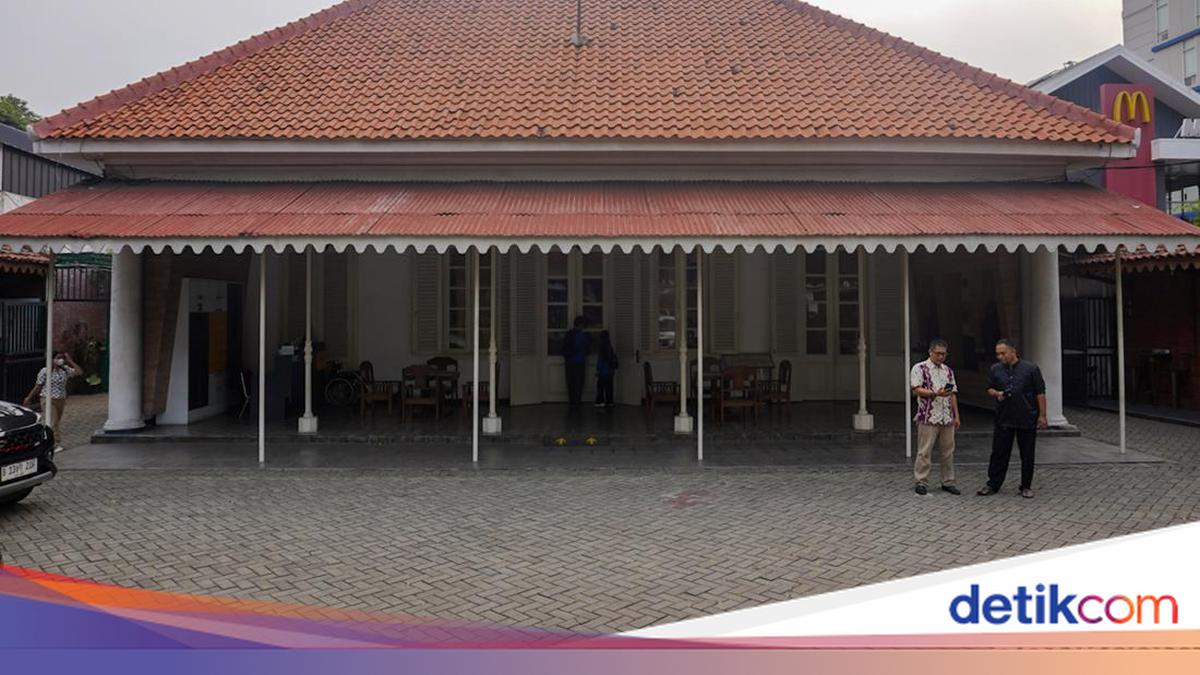
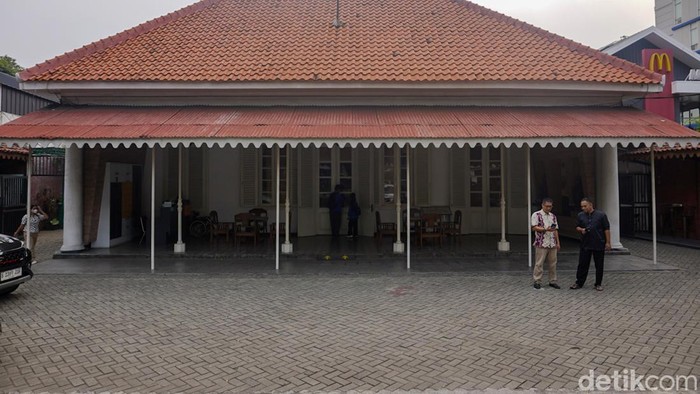
As the nation approaches the 98th anniversary of the Youth Pledge, or Sumpah Pemuda, the Museum Sumpah Pemuda in Central Jakarta has become a focal point for those seeking to reconnect with the roots of Indonesian nationalism. Located on Jalan Kramat Raya No. 106, the building stands as a silent witness to the intellectual ferment of the late 1920s, a period when the vision of a unified Indonesia transitioned from a dream into a formal political commitment. Today, the museum serves not merely as a repository of historical artifacts, but as a modern educational hub that integrates traditional curation with cutting-edge digital technology to preserve the legacy of the 1928 Second Youth Congress.
The Historical Genesis of a Unified Nation
To understand the significance of the collections housed within the museum, one must first look at the socio-political landscape of the Dutch East Indies in the early 20th century. Following the emergence of the Budi Utomo movement in 1908, the desire for an organized, unified front against colonial rule began to intensify. By 1926, the First Youth Congress was held, yet it lacked the finality required to merge the various ethnically-segregated youth organizations, such as Jong Java, Jong Sumatranen Bond, and Jong Bataks Bond.
The Second Youth Congress, held over two days on October 27 and 28, 1928, was the culmination of these efforts. It was here that the historic "Sumpah Pemuda" was proclaimed, establishing the three pillars of national identity: one homeland, one nation, and one language. The museum building itself was the boarding house for students, known as the Indonesische Clubgebouw, providing the physical space where these young visionaries met to debate the future of the archipelago.

A Curated Journey Through Time
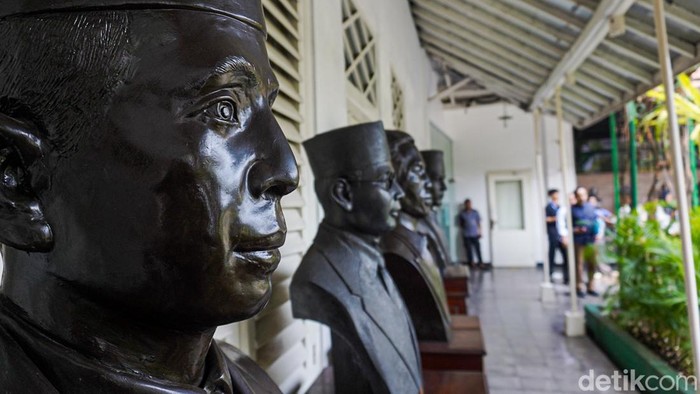
The museum’s current exhibition layout is designed to guide visitors through a chronological narrative of the national awakening. Upon entering, visitors are greeted by bronze busts of key figures such as Mohammad Yamin, Sugondo Djojopuspito, and Wage Rudolf Supratman. These statues serve as a somber reminder of the individual sacrifices made by the youth leaders of that era.
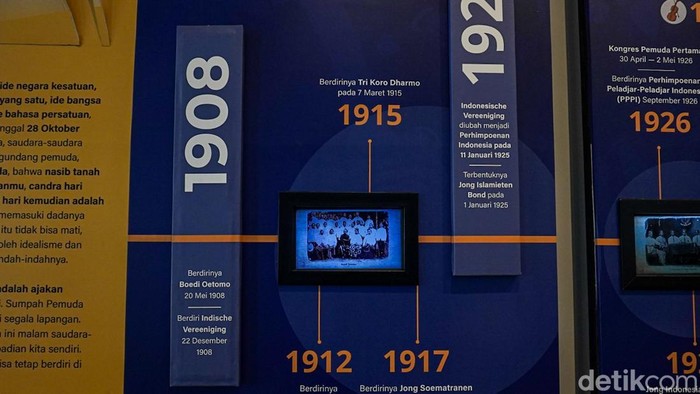
The timeline displays are perhaps the most comprehensive educational tools within the museum. They detail the evolution of the pergerakan (movement) from the early cultural associations of the 1900s to the overtly political stances adopted by the student unions in the late 1920s. This section of the museum highlights the importance of the Jong organizations, which despite their regional naming conventions, eventually transcended their provincial origins to advocate for a single, unified "Indonesia."

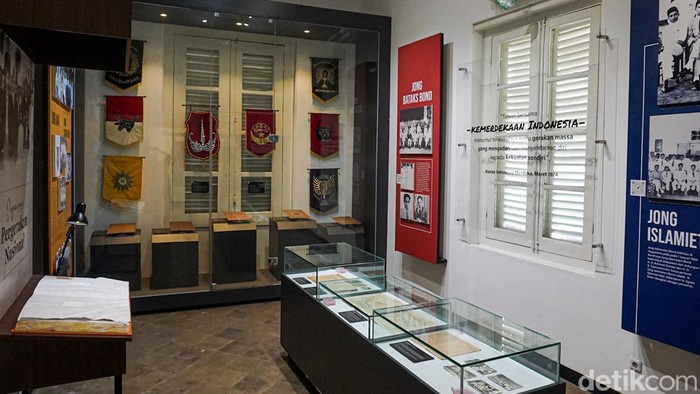
Among the most prized items are the replicas of the banners and insignias of these regional youth groups. These artifacts serve as visual evidence of the diversity that characterized the early movement. By showcasing the distinct identities of groups like the Jong Islamieten Bond and the Jong Celebes, the museum illustrates how the Sumpah Pemuda was not a suppression of regional identities, but an integration of them into a larger national consciousness.
Bridging the Gap with Digital Innovation
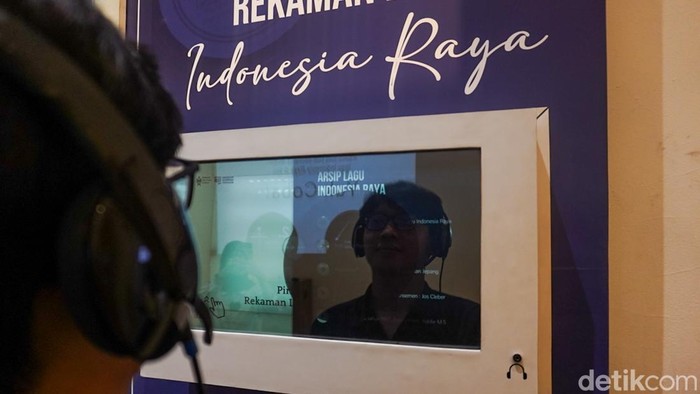
Recognizing the need to appeal to younger generations, the museum has invested heavily in digital and interactive media. One of the most popular features is the audio-interactive installation, which allows visitors to listen to archival recordings of the national anthem, "Indonesia Raya," composed by W.R. Supratman. Hearing the original melody—first played on a violin during the 1928 congress—provides an emotional connection to the past that a written text simply cannot replicate.
Furthermore, the museum has introduced an educational projection system that allows visitors to engage in a virtual simulation of conducting a musical ensemble. This interactive experience uses the historical context of the congress to teach visitors about the role of culture in building national sentiment. By transforming passive observers into active participants, the museum successfully democratizes history, making the abstract concepts of patriotism and independence accessible to students and casual tourists alike.
The Significance of Preservation
The conservation efforts at the Museum Sumpah Pemuda are a critical component of the national cultural policy. As buildings of the colonial era face the threats of urban development and environmental degradation, the maintenance of this site as a museum ensures that the physical context of the 1928 congress remains intact.
Historical analysis suggests that the preservation of such sites is vital for the continued development of national identity. In an era of globalization, where local cultures and histories are increasingly overshadowed, the museum acts as a bastion of national memory. Experts in the field of museology note that the combination of tangible artifacts—such as original manuscripts and furniture—with intangible experiences, like digital simulations, creates a "holistic learning environment" that is essential for modern historical education.
Institutional Responses and Public Engagement
As October 28 approaches, the museum typically sees a surge in visitor numbers, ranging from school groups to history enthusiasts. According to museum management, the goal for the 2026 commemoration is to highlight the theme of "digital legacy." By digitizing more of its archives and making them accessible through the museum’s internal network, the institution hopes to reach a wider audience that may not be able to visit the physical location in Central Jakarta.
The government, through the Ministry of Education, Culture, Research, and Technology, continues to support the museum as a primary site for the "Pendidikan Karakter" (character education) program. The museum is not just a place for viewing; it is a laboratory for social studies. Workshops, seminars, and temporary exhibitions are regularly organized to discuss the relevance of the Sumpah Pemuda in the contemporary context of digital citizenship and national unity in a diverse Indonesia.
Broader Implications for Modern Indonesia
The legacy of the 1928 Youth Pledge continues to influence modern Indonesian policy and social discourse. The emphasis on a single language, Bahasa Indonesia, as a tool for national integration remains one of the most successful cultural outcomes of the movement. The museum highlights how the choice of Malay as the foundation for the national language was a strategic decision that prevented the dominance of any single ethnic group, thereby fostering a more egalitarian national structure.
Furthermore, the museum serves as a critical point of reflection for current national issues. By analyzing the challenges faced by the youth in 1928—such as limited access to education, colonial surveillance, and internal fragmentation—modern visitors can draw parallels to contemporary challenges. The museum encourages critical thinking about how the spirit of 1928 can be applied to current issues such as climate change, technological progress, and social inequality.
A Call to Experience History
For those planning to visit, the Museum Sumpah Pemuda offers a comprehensive view of the birth of a nation. It is a place where the grandeur of the 1928 declaration meets the quiet intensity of the individuals who made it happen. Whether one is interested in the technical aspects of the building’s architecture or the ideological foundations of the Indonesian state, the museum provides a wealth of information that is both scholarly and engaging.
As the nation celebrates the 98th anniversary of this historic event, the museum stands ready to receive guests who are eager to understand the sacrifices and the vision that forged the Republic of Indonesia. The experience of walking through the same rooms where the youth of 1928 once debated the fate of the nation is a powerful reminder of the continuity of history and the responsibility that each generation bears to sustain the ideals of their predecessors. The journey through the Museum Sumpah Pemuda is, in essence, a journey through the heart of the Indonesian national identity.