Socio Today
Cardiovascular diseases (CVDs) remain the leading cause of mortality on a global scale, presenting a formidable challenge to public health systems and individual longevity. According to recent data released by the World Health Organization (WHO), heart-related conditions account for an estimated 17.8 million to 20.5 million deaths annually. In Indonesia, the Ministry of Health has consistently ranked heart disease as the primary cause of death, a trend that mirrors the epidemiological shifts seen in both developing and developed nations. Despite the gravity of these statistics, medical experts and cardiologists emphasize that a significant portion of cardiovascular events can be prevented through proactive lifestyle modifications, with dietary choices serving as the cornerstone of preventative cardiology.
The transition from a reactive medical model to a preventative one has led specialists to identify specific "functional foods" that provide physiological benefits beyond basic nutrition. Recent insights shared by cardiologists and nutritionists highlight seven specific food groups that are instrumental in maintaining heart health. These recommendations are not merely anecdotal but are grounded in clinical research that links specific nutrients to the reduction of systemic inflammation, the stabilization of blood pressure, and the optimization of lipid profiles.
The Global Landscape of Cardiovascular Health
The prevalence of heart disease is often described as a "silent pandemic." Unlike infectious diseases that manifest rapidly, cardiovascular issues typically develop over decades, influenced by a combination of genetic predispositions and environmental factors. The modern diet, characterized by high intakes of processed sugars, trans fats, and sodium, has exacerbated the incidence of hypertension and hyperlipidemia. Consequently, the medical community has intensified its focus on nutritional intervention as a primary defense mechanism.
Data from the American Heart Association (AHA) and the European Society of Cardiology (ESC) suggest that dietary patterns such as the Mediterranean and DASH (Dietary Approaches to Stop Hypertension) diets can reduce the risk of heart disease by up to 30%. The seven foods identified by leading cardiologists are central components of these successful dietary frameworks, offering a practical roadmap for individuals looking to safeguard their cardiovascular systems.
1. Fatty Fish and the Role of Omega-3 Fatty Acids
One of the most critical recommendations from cardiologists involves the regular consumption of fatty fish, including salmon, mackerel, sardines, and herring. These species are exceptionally rich in long-chain omega-3 fatty acids, specifically eicosapentaenoic acid (EPA) and docosahexaenoic acid (DHA).
Clinical studies have demonstrated that omega-3 fatty acids play a multifaceted role in heart protection. They are known to lower triglyceride levels, a type of fat in the blood that, when elevated, increases the risk of stroke and heart attack. Furthermore, these healthy fats possess anti-arrhythmic properties, helping to maintain a steady heart rhythm and reducing the likelihood of sudden cardiac death. Experts at the Clara Maass Medical Center suggest consuming these fish at least twice a week. Beyond lipid management, the anti-inflammatory effects of fish oil help stabilize atherosclerotic plaques, preventing them from rupturing and causing arterial blockages.
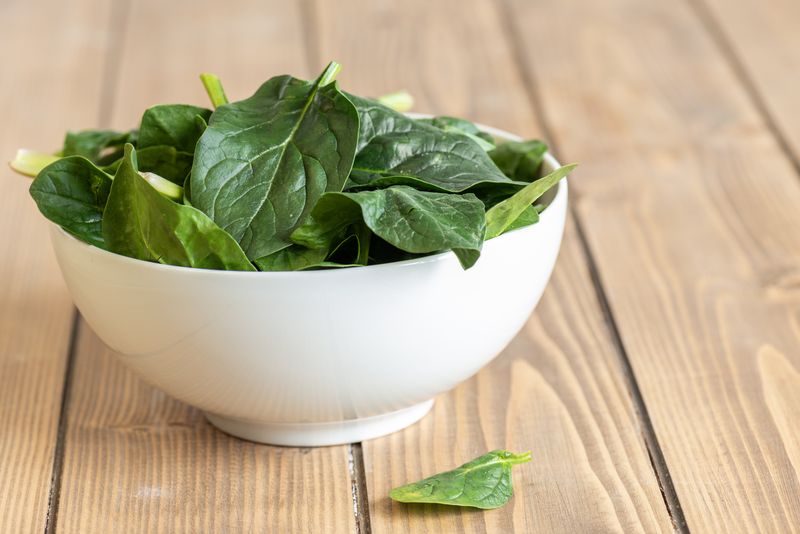
2. Leafy Greens: The Nitrate and Potassium Powerhouse
Leafy green vegetables, particularly spinach, have long been lauded for their nutrient density. For cardiologists, the value of spinach lies in its high concentrations of nitrates, potassium, magnesium, and antioxidants.
Nitrates found in spinach are converted by the body into nitric oxide, a molecule that facilitates vasodilation—the widening of blood vessels. This process is essential for maintaining healthy blood pressure levels and ensuring efficient blood flow to the heart and extremities. Potassium acts as a natural counterbalance to the negative effects of sodium, helping the kidneys excrete excess salt and easing the tension in blood vessel walls. Regular intake of these greens is associated with a lower risk of arterial stiffness, a common precursor to hypertensive heart disease.
3. Oatmeal and the Science of Beta-Glucan
Oatmeal has transcended its status as a simple breakfast staple to become a clinically recognized tool for cholesterol management. The secret to oatmeal’s efficacy is a specific type of soluble fiber known as beta-glucan.
Upon ingestion, beta-glucan forms a thick, gel-like substance in the digestive tract. This "sponge effect" allows it to bind to bile acids and cholesterol, preventing them from being reabsorbed into the bloodstream. Instead, the cholesterol is excreted from the body. Longitudinal studies have shown that consistent consumption of oats can lead to a significant reduction in Low-Density Lipoprotein (LDL) cholesterol—often referred to as "bad" cholesterol—without negatively impacting High-Density Lipoprotein (HDL) or "good" cholesterol. This targeted action makes oatmeal an invaluable asset in the fight against atherosclerosis.
4. Legumes: High-Fiber Solutions for Lipid Control
Kacang-kacangan, or legumes, including beans, lentils, and chickpeas, are frequently cited by board-certified cardiologists as a "superfood" for the heart. Their primary benefit stems from an extraordinary concentration of soluble fiber and plant-based protein.
Research indicates that consuming approximately three-quarters of a cup of legumes daily can reduce LDL cholesterol levels by as much as 19%. This reduction is correlated with an 11% decrease in the overall risk of developing coronary heart disease. Legumes also have a low glycemic index, which helps regulate blood sugar levels. Since diabetes and insulin resistance are major risk factors for heart disease, the metabolic benefits of legumes provide a dual layer of protection for the cardiovascular system.
5. Extra Virgin Olive Oil: The Mediterranean Gold Standard
In the realm of dietary fats, extra virgin olive oil (EVOO) stands as the gold standard for heart health. Unlike butter or tropical oils that are high in saturated fats, EVOO is primarily composed of monounsaturated fatty acids (MUFAs), specifically oleic acid.
Replacing saturated fats with unsaturated fats is a fundamental tenet of cardiovascular health. EVOO is also rich in polyphenols, which are potent antioxidants that protect the heart by reducing oxidative stress and improving the function of the endothelium—the inner lining of the blood vessels. Cardiologists recommend using EVOO as a primary cooking oil or as a salad dressing to leverage its ability to lower systemic inflammation and improve cholesterol profiles.
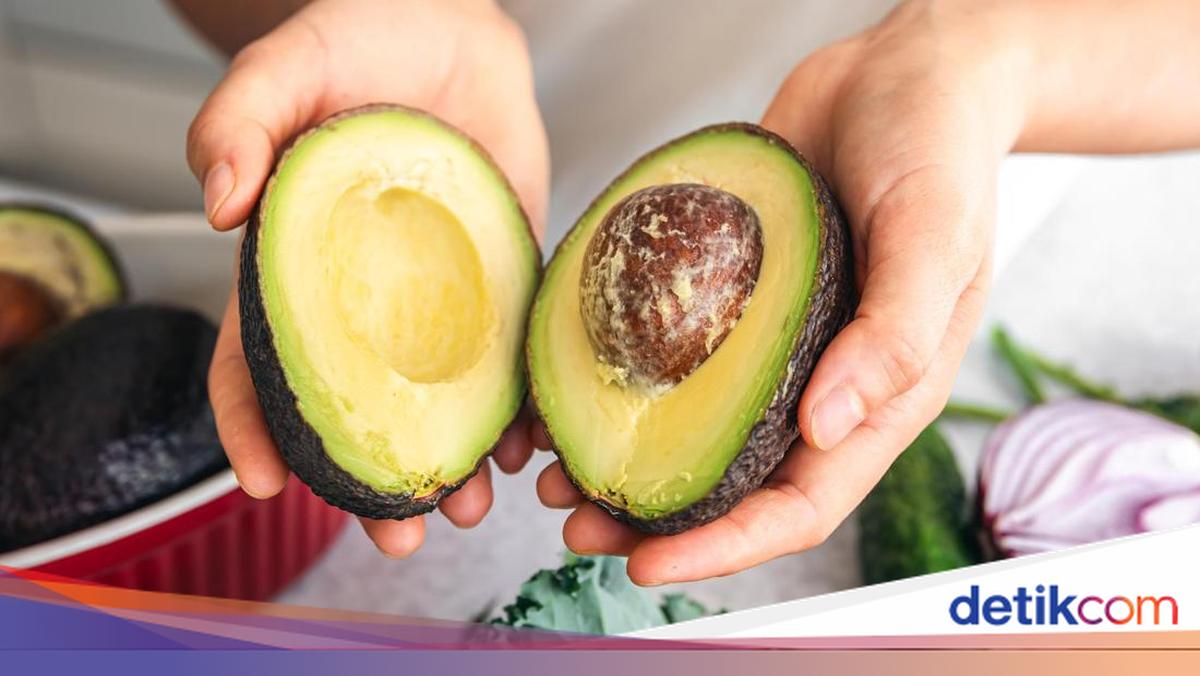
6. Avocados: Nutrient-Dense Lipid Modulators
Similar to olive oil, avocados are a premier source of monounsaturated fats. However, they offer additional benefits through their unique combination of potassium and fiber. A single avocado can provide a significant portion of the daily recommended intake of potassium, which is vital for regulating heart rate and blood pressure.
The fats in avocados help the body absorb fat-soluble vitamins (A, D, E, and K) and antioxidants from other foods, making them a synergistic addition to any heart-healthy meal. Clinical trials have shown that including avocado in a daily diet can help overweight or obese individuals lower their LDL cholesterol and improve their overall vascular health, making it a versatile tool for weight management and cardiac protection.
7. Garlic: A Culinary Aid with Therapeutic Potential
Bawang putih, or garlic, has been used for centuries in traditional medicine, but modern science is now validating its cardiovascular benefits. The primary bioactive compound in garlic is allicin, which is released when the clove is crushed or minced.
While garlic is not a substitute for pharmaceutical interventions in cases of severe hypertension, studies have shown that it can have a moderate effect on reducing blood pressure and preventing the oxidation of LDL cholesterol. Oxidized LDL is particularly dangerous because it is more likely to contribute to the formation of arterial plaques. By incorporating fresh garlic into daily meals, individuals can enjoy a flavor-rich diet while simultaneously supporting their circulatory health.
Expert Reactions and Clinical Analysis
The consensus among the global medical community is that these seven foods represent a holistic approach to health. Dr. Setiawan, a cardiovascular specialist (reflecting general medical sentiment), notes that "the synergy between these nutrients—omega-3s, soluble fibers, and antioxidants—creates an internal environment that is resistant to the stressors that typically lead to heart failure or stroke."
Nutritionists also point out that the effectiveness of these foods is maximized when they are part of a broader lifestyle strategy. "It is not just about adding salmon or oatmeal to a diet that is otherwise high in processed sugars," says a clinical dietitian. "The real impact occurs when these foods replace harmful alternatives, such as replacing trans-fat-laden snacks with nuts or replacing sugary cereals with oats."
Economic and Public Health Implications
The promotion of heart-healthy foods also has significant economic implications. The cost of treating cardiovascular diseases—including surgeries, long-term medication, and lost productivity—places a massive burden on national economies. In Indonesia, the Social Security Administrator for Health (BPJS Kesehatan) has reported that heart disease is one of the most expensive conditions to cover.
By shifting the focus toward nutritional education and the accessibility of healthy foods, governments can potentially save billions in healthcare costs. Public health initiatives that encourage the consumption of local produce, such as spinach and legumes, are seen as sustainable ways to improve the "Heart Age" of the population.
Conclusion: A Proactive Path Forward
As the global population ages and the risk factors for cardiovascular disease continue to evolve, the importance of dietary discipline cannot be overstated. The seven foods highlighted by cardiologists—fatty fish, spinach, oatmeal, legumes, extra virgin olive oil, avocado, and garlic—offer a scientifically backed defense against the world’s leading killer.
Investing in heart health through nutrition is a long-term strategy that yields dividends in the form of increased energy, reduced dependency on medication, and a significantly lower risk of life-threatening cardiac events. While genetics may load the gun, it is often lifestyle and diet that pull the trigger. By making informed choices at the grocery store and in the kitchen, individuals can take control of their cardiovascular destiny, ensuring a healthier and more vibrant future.