The evolution of Indonesia’s hospitality industry is inextricably linked to the colonial influence of the Dutch East Indies, a period that laid the foundational infrastructure for modern tourism. Following the opening of the Suez Canal in 1869, the Indonesian archipelago became a strategic and accessible destination for European travelers. As steamship travel transformed international logistics, the colonial administration and private investors recognized a growing demand for high-end accommodation in the East Indies. This necessity spurred the construction of grand, architecturally significant hotels across Java and Bali, many of which have survived the volatility of history, the transition to independence, and the modernization of the 21st century. These properties are not merely lodgings; they are living repositories of Indonesian history.
The Genesis of Colonial Tourism
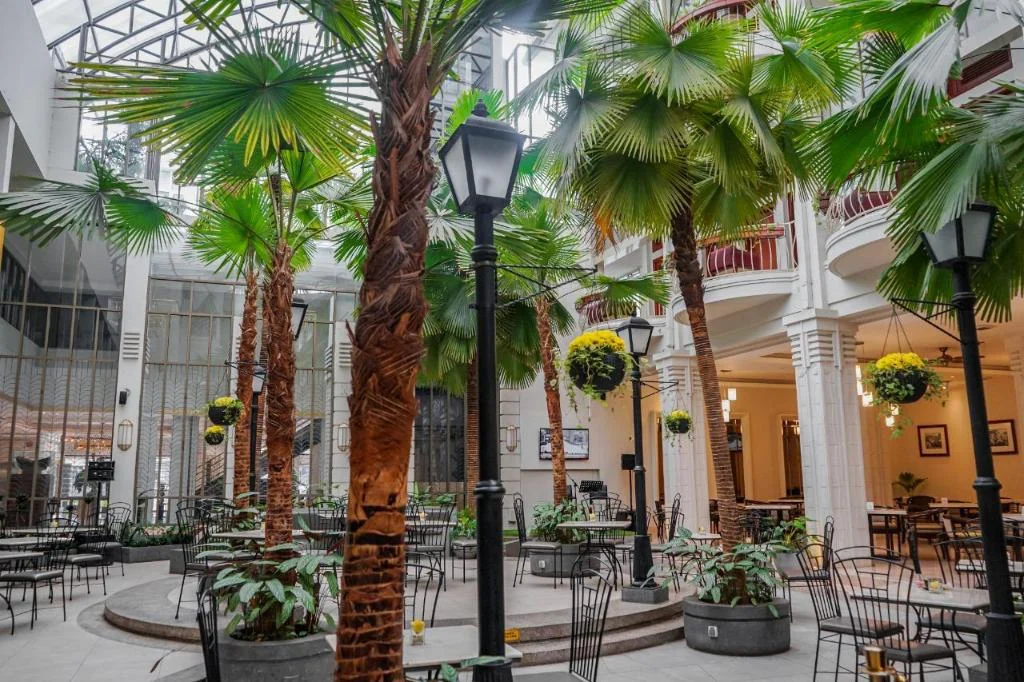
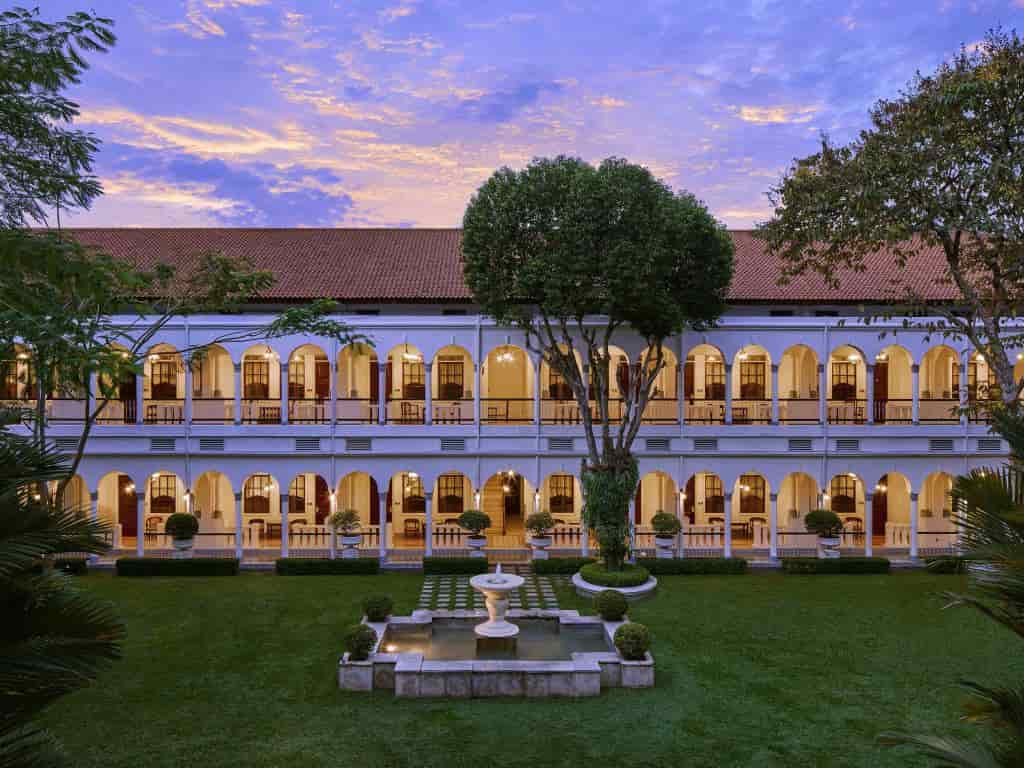
In the late 19th and early 20th centuries, the Dutch East Indies became a frequent stop for cruise ships carrying affluent tourists from Europe. These travelers, accustomed to Western comforts, required accommodations that mirrored the luxury standards of the era. The construction of these hotels was facilitated by a mix of colonial government planning and private enterprise, often involving architects who brought European Art Deco, Indische Empire, and Neoclassical styles to the tropics. This architectural fusion resulted in buildings characterized by high ceilings, thick walls, and sprawling verandas designed to mitigate the tropical heat while maintaining a sense of imperial grandeur.
Hotel Indonesia Kempinski: A Symbol of National Pride
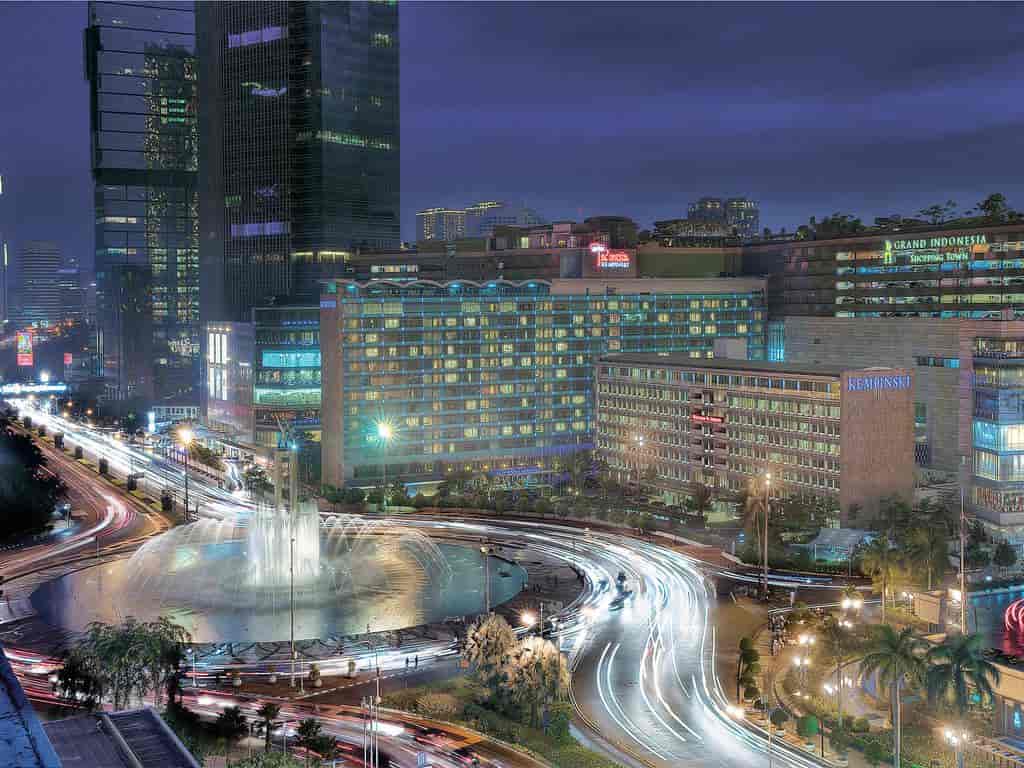
Standing as the cornerstone of Indonesian modern luxury, the Hotel Indonesia Kempinski in Jakarta represents a significant departure from colonial-era origins, instead serving as a monument to the post-colonial era. Commissioned by President Sukarno, the hotel was inaugurated in 1962 to host delegates and athletes for the fourth Asian Games. While the site itself is deeply rooted in the post-independence narrative, its cultural significance is amplified by its role in contemporary diplomacy.
In March 2020, the hotel made headlines as the residence for King Willem-Alexander and Queen Máxima of the Netherlands during their state visit to Indonesia. The visit was widely interpreted as an effort to strengthen bilateral ties and address the complex, often painful, history of the colonial period. The hotel’s commitment to security and prestige was evidenced by the installation of bulletproof glass in its premier suites, a nod to the high-level security protocols required for visiting heads of state. As an institution, the Kempinski serves as a bridge between the nation’s revolutionary past and its status as a modern global player.
Hotel Majapahit Surabaya: The Crucible of Nationalism
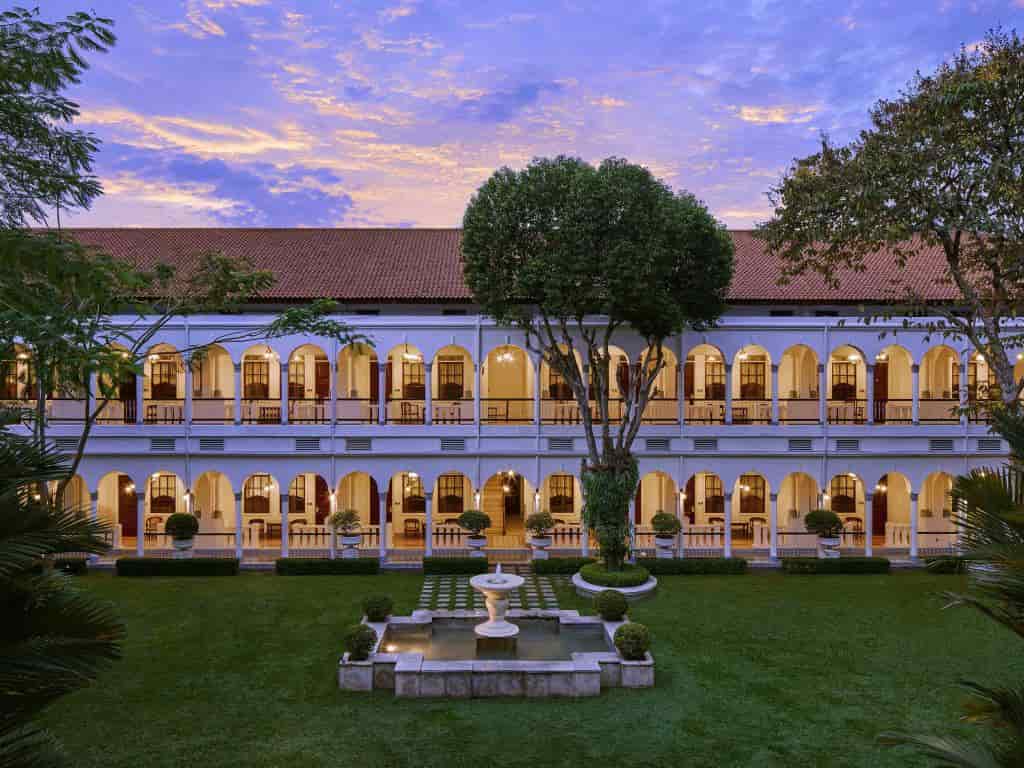
Perhaps no hotel in Indonesia is as deeply etched into the national consciousness as the Hotel Majapahit in Surabaya. Originally established in 1910 by the Sarkies Brothers—a family of Armenian entrepreneurs known for their contributions to luxury hospitality across Southeast Asia—the property was then known as Hotel Oranje.
The hotel gained historic infamy in September 1945. Following the surrender of the Japanese to the Allied forces, tensions flared between Indonesian nationalists and the Dutch colonial administration. In a pivotal act of defiance, local youths climbed the hotel’s flagpole, tearing the blue stripe off the Dutch flag to transform it into the Indonesian Red and White. This act, known as the "Hotel Yamato incident" (the name the hotel operated under during the Japanese occupation), was a flashpoint that ignited the Battle of Surabaya. Today, the hotel stands as a protected heritage site. It continues to operate as a luxury establishment, preserving its original colonial architecture while serving as a silent witness to the struggle for sovereignty.
Royal Ambarukmo Yogyakarta: A Royal Legacy
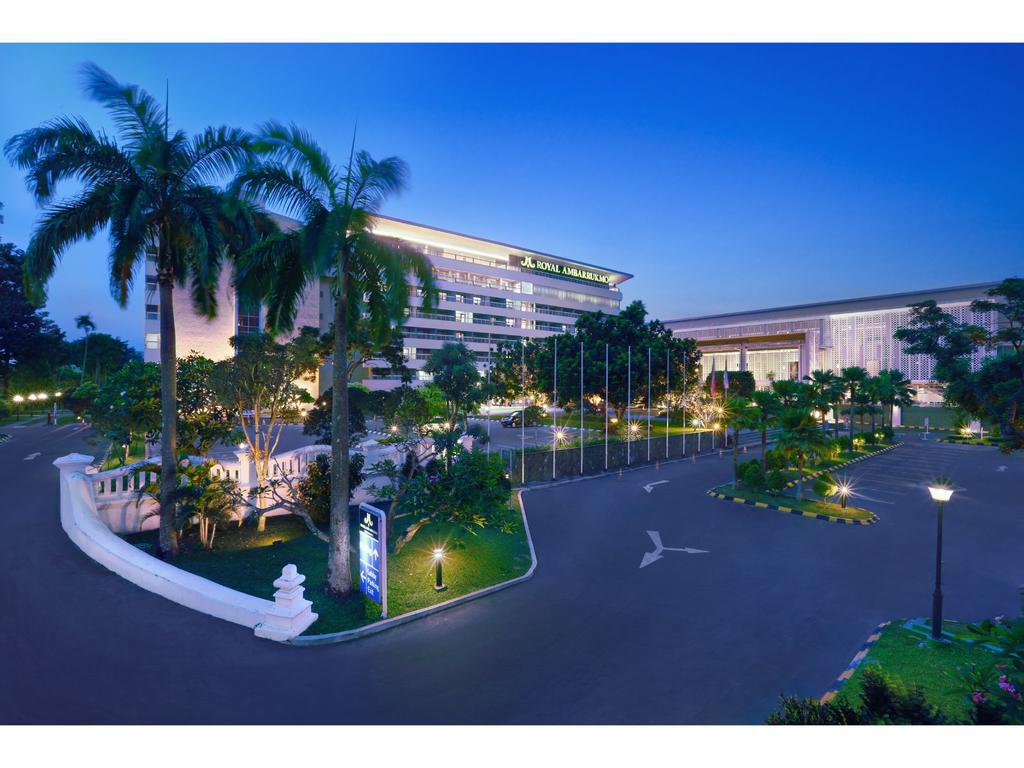
Situated in the heart of Yogyakarta, a city synonymous with Javanese culture, the Royal Ambarukmo holds a unique position. It was commissioned by Sultan Hamengku Buwono V and serves as a testament to the preservation of Javanese heritage within a luxury hospitality framework.
In 1966, President Sukarno identified the property as one of four key "international standard" hotels, signaling Indonesia’s readiness to participate in the burgeoning global tourism market. Unlike properties built solely by colonial interests, the Royal Ambarukmo integrates the Kedhaton Ambarrukmo—a royal palace complex dating back to the 19th century—into its grounds. The integration of modern luxury, such as golf facilities and expansive swimming pools, with the spiritual and architectural gravity of a sultanate palace, makes it a unique case study in how Indonesia manages its cultural assets.
Savoy Homann Bandung: The Art Deco Gem
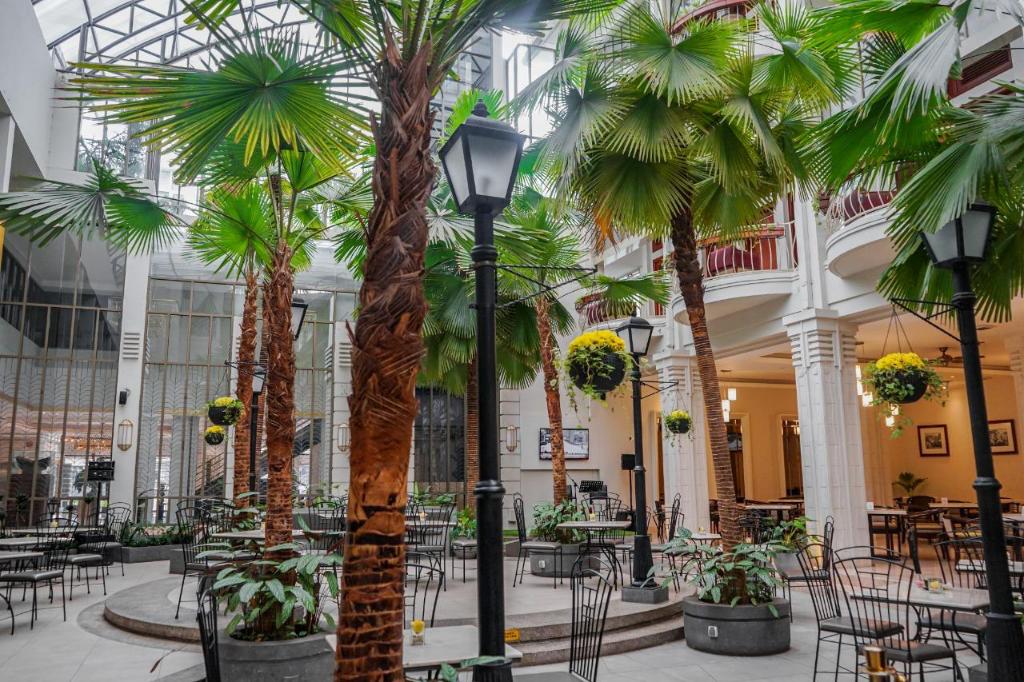
Bandung, often referred to as the "Paris of Java," owes much of its aesthetic character to the Dutch architectural influx of the 1930s. The Savoy Homann is arguably the finest example of this legacy. Originally owned by the Homann family, the hotel gained notoriety for its culinary offerings, specifically the traditional rijsttafel.
In 1939, the hotel underwent a massive redesign by architect Albert Aalbers, who transformed it into an icon of the Streamline Moderne style, featuring curved facades that mimic the movement of ocean waves. Its reputation for prestige was cemented by the frequent patronage of international luminaries, including Charlie Chaplin, who visited in 1932. The hotel remains a central landmark on Jalan Asia-Afrika, a street named to commemorate the 1955 Asian-African Conference, where the Savoy Homann played a critical role in hosting international delegates.
Inna Bali Heritage Hotel: The Pioneer of Island Tourism
The arrival of the Koninklijke Paketvaart-Maatschappij (KPM) steamships in the 1920s transformed Bali from an isolated cultural enclave into a destination for international travelers. To accommodate this influx, the Inna Bali Heritage Hotel was established in 1927 in Denpasar. As the first luxury accommodation on the island, it set the standard for Balinese hospitality.
The hotel’s architecture and operational philosophy reflect a blend of Western management and local aesthetic values. It provided a base for the first wave of explorers, artists, and anthropologists who were instrumental in shaping the global image of Bali. While it has since been eclipsed in size by massive, modern resorts, the Inna Bali remains a cornerstone of the Denpasar urban landscape, serving as a reminder of the era when Bali first opened its doors to the world.
Socio-Economic Implications and Preservation
The continued operation of these hotels presents a complex intersection of heritage preservation and commercial viability. Maintaining these structures requires significant capital investment, as the materials and architectural techniques used a century ago are often difficult to source or repair.
From an economic perspective, these hotels offer a competitive edge in the "heritage tourism" market. Modern travelers, particularly those from Europe and North America, increasingly seek authentic experiences that provide context to the countries they visit. By retaining their historic identity, these hotels provide a narrative that standard luxury chains cannot replicate.
However, the preservation of these sites is not without controversy. Some critics argue that the romanticization of colonial-era architecture can inadvertently gloss over the harsh realities of the Dutch administration. The challenge for these institutions is to curate an experience that acknowledges the complex historical context of their origins while evolving to meet the expectations of modern, socially conscious travelers.
Conclusion: A Legacy Reimagined
The survival of these hotels is a testament to the resilience of Indonesia’s built environment. They have transitioned from exclusive clubs for colonial elites to national treasures that define the architectural identity of their respective cities. As Indonesia continues to develop its tourism sector, these heritage hotels remain vital, not just as sources of revenue, but as physical links to the past—reminding visitors and locals alike of the layers of history that have shaped the modern Indonesian archipelago. Whether it is the bulletproof glass of the Kempinski or the historic flagpole of the Majapahit, these sites invite us to engage with history in a way that is both luxurious and deeply informative.