Socio Today
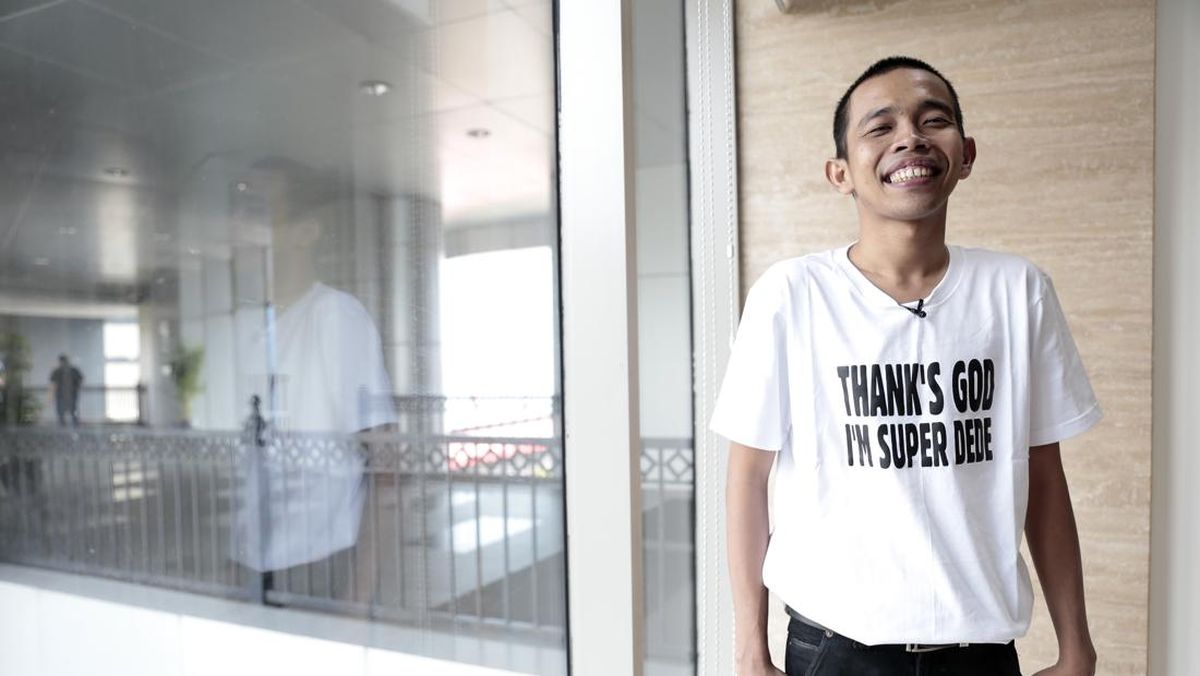
Jakarta, Indonesia – Comedian Dede Sunandar has broken his silence regarding the escalating marital discord with his wife, Karen Hertatum, who is reportedly preparing to file for divorce at the West Jakarta Religious Court. This move by Karen stems from a series of deep-seated conflicts within their marriage, reportedly including accusations of infidelity, alleged domestic violence (KDRT), and the significant issue of talak tiga (triple divorce pronouncement).
Despite the gravity of the situation and his wife’s apparent resolve, Dede expressed a strong desire to salvage their marriage, which began in 2014. However, he acknowledged the unshakeable decision made by his wife and her family.
"I asked if this (divorce) was true, and honestly, Dede wants to maintain it. But regarding the issue of talak, it returns to religious matters, we will consult with a cleric or something similar," Dede stated, as reported by detikHot on Friday, June 12th.
Karen Hertatum’s determination to end the marriage is underscored by the fact that she has meticulously gathered all essential administrative documents required for filing a divorce petition. Dede revealed that he handed over copies of these crucial documents to his wife earlier this week.
"However, Reren’s (Karen’s nickname) side and her family are resolute and have requested all the surat (letters/documents); marriage certificate, birth certificate, ID card, family card, everything. Photocopies for the children were requested. If I’m not mistaken, Dede gave them to Reren on Wednesday," Dede elaborated.
Prior to surrendering these documents, the comedian confessed to making a concerted effort to persuade Karen, hoping that a window for dialogue to mend their relationship remained open. For Dede, the presence of their three children serves as a powerful anchor and primary motivation for his persistent efforts to preserve their union.
"I asked again, do you really want to separate or not, can we talk about it again. ‘It’s no longer possible, De.’ Oh, okay," Dede recounted. He further emphasized, "One, the children. Two, our marriage can be repaired again. The core remains the children, in a manner of speaking, which strengthens Dede’s resolve to maintain it. Like now, I take my child everywhere, it’s a source of spirit as well."
As of the latest reports, there is no definitive timeline for when Karen will officially submit her divorce petition to the court. Nevertheless, Dede has proactively sought counsel from his legal team to prepare for the impending legal proceedings.
A Troubled Union: The Chronology of Marital Strife
The reported breakdown of the couple’s marriage, which commenced with their wedding on October 21, 2014, is not without its historical context. According to Karen’s account, the initial cracks in their relationship appeared when she discovered Dede’s infidelity during the birth of their first child. Despite this early transgression, she chose to forgive him at the time.
However, the accumulation of unresolved conflicts over the course of their twelve-year marriage ultimately led Karen to make the decisive move to leave their shared home on April 8, 2026. This departure marked a significant escalation in the marital crisis, pushing the couple towards a potential legal separation.
Allegations and Religious Considerations
The allegations of infidelity and domestic violence, if proven, would carry significant weight in any legal proceedings and could impact public perception of the situation. In Indonesian law, adultery and domestic violence are grounds for divorce. The mention of "talak tiga" also introduces a religious dimension, as in Islamic tradition, a third pronouncement of divorce by a husband to his wife is irrevocable, meaning they cannot remarry each other unless the wife has been married to another man and divorced him. Dede’s intention to consult with a religious scholar suggests an effort to navigate the religious implications of their marital breakdown, potentially seeking clarification or reconciliation within Islamic legal frameworks.
Supporting Data and Social Context
The Indonesian legal framework for divorce is primarily governed by Law No. 1 of 1974 concerning Marriage, as amended by Law No. 16 of 2019, and its implementing regulations, including Government Regulation No. 9 of 1975. These laws stipulate grounds for divorce, which include adultery, abandonment, severe mistreatment, and continuous conflict. The process typically involves filing a petition with the Religious Court for Muslims or the Civil Court for non-Muslims.
Public discourse surrounding celebrity marriages in Indonesia often garners significant attention. Issues of infidelity, domestic disputes, and divorce among public figures are frequently reported by entertainment media, reflecting a societal interest in the personal lives of those in the public eye. The financial and social implications of divorce for individuals with public profiles can be substantial, impacting their careers and endorsements.
Broader Implications and Public Reaction
The unfolding situation between Dede Sunandar and Karen Hertatum brings to the forefront the complexities of marital relationships, particularly when compounded by public scrutiny. The allegations of domestic violence, in particular, are a sensitive issue that warrants careful consideration and due process. While Dede expresses a desire for reconciliation, Karen’s preparedness to pursue legal action suggests a deep rift that may be difficult to bridge.
The outcome of this case could serve as a reminder of the legal and social ramifications of marital breakdown. The focus on their three children highlights the profound impact divorce can have on offspring, often serving as a primary motivator for parents to seek amicable resolutions, though this is not always achievable.
The public’s reaction to such news often varies, with some expressing sympathy for the individuals involved, while others may offer judgment. In cases involving allegations of domestic violence, there is a growing societal emphasis on supporting victims and ensuring accountability.
The legal process itself can be lengthy and emotionally taxing for all parties involved. The involvement of legal counsel for Dede indicates a readiness to navigate the legal system, regardless of the eventual outcome. The coming weeks and months will likely reveal further details as Karen Hertatum formally initiates divorce proceedings, and Dede Sunandar continues to navigate this challenging period in his personal life. The media’s role in reporting such sensitive matters will be crucial in ensuring factual accuracy and maintaining a degree of sensitivity towards the individuals and their families, especially their children. The case underscores the ongoing societal dialogue surrounding marriage, divorce, and the legal protections available to individuals facing marital distress.