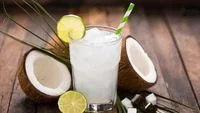
Jakarta — Amidst soaring temperatures and relentless tropical humidity, few refreshments rival the natural, cooling allure of a chilled glass of fresh coconut water. Prived for its crisp flavor and innate ability to quench thirst without heavy additives, coconut water has transitioned from a localized coastal indulgence to a global wellness staple. However, unlike sealed commercial beverages, fresh coconut water is highly perishable. Understanding how long this natural electrolyte drink lasts when stored in a refrigerator is essential for maximizing both its refreshing taste and its nutritional integrity, while avoiding the pitfalls of spoilage.
The perishability of coconut water stems directly from its organic composition. Once a coconut is opened and its internal fluid is exposed to ambient air, a rapid cascade of enzymatic and microbial activities begins. In tropical environments like Indonesia, where fresh coconuts are routinely hacked open by street vendors and their contents transferred into simple plastic bags for easy transport, this vulnerability is amplified. Without the protective barrier of the hard outer shell, ambient temperatures accelerate natural fermentation processes. Left unattended on a kitchen counter for even a few hours during a hot afternoon, fresh coconut water will quickly degrade in quality, turning sour and unsafe for consumption.
Food safety experts and culinary authorities emphasize that fresh, unpackaged coconut water should ideally be consumed within twenty-four to forty-eight hours when properly refrigerated. For optimal preservation, the liquid must be transferred immediately from its original vendor packaging into a strictly clean, airtight glass or food-grade container before being placed in the coldest section of the refrigerator. Commercial varieties that undergo pasteurization and are tightly sealed in aseptic cartons fare slightly better, generally retaining their safety and quality for up to five days under continuous refrigeration once opened. Consumers are advised to rely on sensory indicators to determine freshness: a distinctly sour taste, a cloudy or opaque appearance rather than the characteristic translucent clarity, or an off-putting aroma are definitive signs that the coconut water has undergone spoilage and must be discarded immediately.
Beyond its culinary appeal, coconut water boasts a sophisticated nutritional profile that explains its enduring popularity among athletes and health-conscious individuals alike. Botanically classified as the liquid endosperm of the coconut palm (Cocos nucifera), this tropical fluid is naturally low in calories and fat while functioning as a potent reservoir of essential minerals. A standard one-cup serving, equivalent to approximately 240 milliliters, typically provides around 45 calories, 8.9 grams of carbohydrates, 6.3 grams of natural sugars, 2.7 grams of dietary fiber, and a substantial volume of water. Crucially, it is rich in key electrolytes—most notably potassium and magnesium—which play a fundamental role in regulating fluid balance, nerve signaling, and muscle contraction throughout the human body.
In the realm of sports nutrition, clinical evaluations have increasingly positioned natural coconut water as a viable, plant-based alternative to heavily processed commercial sports drinks. Because intense physical exertion depletes the body of water and vital salts through perspiration, rapid rehydration is paramount. The potassium and magnesium density found naturally in coconut water facilitates efficient cellular rehydration after high-intensity workouts, mitigating the risk of cramping and physical fatigue without introducing excessive refined sugars or artificial chemical additives.
Scientific inquiry into the broader physiological impacts of regular coconut water consumption has yielded promising insights, though researchers continue to differentiate between preliminary laboratory observations and conclusive human clinical trials. According to data synthesized by health research platforms such as Healthline, targeted studies suggest that the antioxidant compounds present in coconut water may help neutralize unstable molecules known as free radicals. Free radicals are naturally occurring byproducts of cellular metabolism, but their proliferation can be drastically accelerated by physical stress, environmental toxins, or injury, ultimately contributing to oxidative stress and cellular damage. While laboratory models demonstrate that coconut water antioxidants can successfully modify free radicals to prevent biological harm, comprehensive human trials utilizing standardized parameters remain an ongoing area of investigation.
Furthermore, metabolic health researchers have explored the potential correlation between coconut water intake and blood glucose regulation. Animal-based studies indicate that regular consumption of the beverage may assist in lowering blood sugar levels and improving various health markers in subjects diagnosed with diabetes. Nutritionists attribute this potential benefit largely to the beverage’s high concentration of magnesium, a mineral known to enhance insulin sensitivity and support glucose metabolism. This mechanism holds particular relevance for individuals managing prediabetes or type 2 diabetes, though medical professionals caution that coconut water should complement, rather than replace, prescribed dietary and therapeutic management plans.
Another prominent area of biochemical research involves the prevention of nephrolithiasis, commonly known as kidney stones. These painful mineral deposits form when calcium, oxalate, and other chemical compounds crystallize within the urinary tract. While pure water remains the gold standard for maintaining renal health and flushing out precursors to stone formation, preliminary studies suggest that the regular inclusion of coconut water may inhibit the crystallization process. By promoting increased urinary volume and altering the chemical composition of urine, the beverage potentially reduces the likelihood of crystal aggregation. As with its metabolic applications, researchers emphasize the necessity of large-scale human clinical trials to fully validate these nephroprotective mechanisms.
From a culinary perspective, the versatility of coconut water extends far beyond a post-workout recovery beverage. Its naturally mild sweetness and light body make it an exceptional base for a wide variety of culinary applications, ranging from tropical fruit smoothies and chia puddings to artisanal salad dressings and light culinary broths. However, culinary experts consistently reiterate that the beverage achieves its absolute peak flavor profile and maximum nutritional potency when consumed fresh, straight from the green coconut shell.
Ultimately, navigating the storage and consumption of coconut water requires a balance of culinary awareness and food safety diligence. By recognizing that fresh, unpasteurized coconut water has a strictly limited refrigerator lifespan of one to two days, consumers can prevent unnecessary waste while safeguarding their health. As public interest in natural, minimally processed functional beverages continues to rise across global markets, understanding the science behind the shelf life of coconut water ensures that this tropical treasure remains both a safe and deeply refreshing addition to a balanced lifestyle.