
The persistent misconception that the natural sugar content in fruit inherently hinders weight loss efforts remains a significant hurdle for many individuals navigating dietary management. Despite the prevalence of low-carbohydrate and ketogenic diet trends that often restrict fruit consumption, recent nutritional research offers a compelling counter-narrative. Evidence suggests that the strategic inclusion of specific fruits—driven by their unique phytochemical profiles—not only facilitates weight maintenance but may actively assist in the reduction of body fat.
The core of this scientific shift lies in the role of flavonoids, a diverse class of phytonutrients found in various plant-based foods. According to a landmark study published in the British Medical Journal (BMJ), which tracked the dietary habits of over 100,000 individuals, a strong correlation exists between the consumption of specific fruits and long-term weight stability. This comprehensive longitudinal research highlights that the metabolic benefits of these fruits extend far beyond simple caloric density, pointing toward complex interactions between fiber, antioxidants, and glucose regulation.
The Science of Flavonoids and Metabolic Health
Flavonoids are polyphenolic compounds that serve as secondary metabolites in plants. In human physiology, these compounds function as potent antioxidants and anti-inflammatory agents. When consumed in the form of whole fruits, these compounds do not act in isolation; rather, they work synergistically with dietary fiber and low-glycemic carbohydrates to modulate metabolic responses.
The BMJ research, which spanned several years, categorized fruits based on their flavonoid sub-classes, such as anthocyanins, flavanols, and polymers. The findings indicated that individuals who consistently consumed fruits with higher concentrations of these compounds experienced significantly lower weight gain over a four-year period compared to those who neglected these food groups. This is a critical distinction for dietitians and nutritionists, as it suggests that the "sweetness" of a fruit—often blamed for insulin spikes—is largely offset by the fiber and secondary metabolites present within the fruit’s matrix.
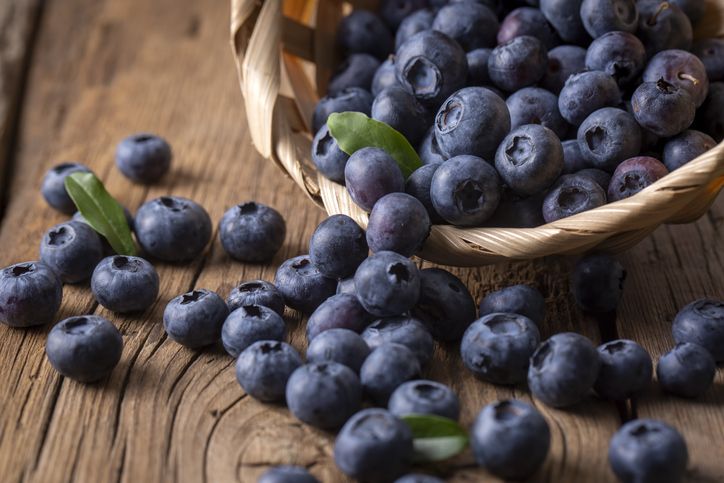
Blueberry: The Anthocyanin Powerhouse
Blueberries occupy a prominent position in nutritional science, primarily due to their dense concentration of anthocyanins. These pigments are responsible for the fruit’s deep blue color and are associated with a range of health benefits, including improved insulin sensitivity and vascular health.
According to data presented by clinicians at Lenox Hill Hospital, New York, as little as a quarter-cup of blueberries provides approximately 10 milligrams of anthocyanins. In the context of long-term weight management, researchers observed that each additional serving of such anthocyanin-rich foods was linked to a reduction in weight gain by roughly 0.11 kilograms over a four-year window. Beyond the chemical composition, the high fiber content of blueberries promotes satiety—a psychological and physiological state where the body feels full, thereby reducing the likelihood of compensatory caloric intake later in the day. Nutrition experts typically advocate for a daily intake of one cup of fresh or frozen blueberries to maximize these metabolic advantages.

The Role of Apples in Glycemic Control
Apples are frequently cited as the quintessential weight-loss fruit, a reputation supported by their high concentration of polymer flavonoids and pectin, a form of soluble fiber. Unlike processed snacks, which often cause rapid fluctuations in blood glucose levels, the structure of an apple requires significant mastication and slow digestion.
Medical professionals, including Dr. Sharad Paul, emphasize the importance of consuming apples in their whole, unpeeled form. The skin contains the majority of the fruit’s polyphenols and fiber. By maintaining the integrity of the fruit structure, the body processes the fructose more slowly, which prevents the sharp insulin spikes that typically precede "binge eating" episodes or sugar cravings. This stabilizing effect on blood glucose is an essential tool for individuals aiming to prevent the development of Type 2 diabetes while simultaneously managing their caloric intake.
Pears: A Strategic Addition to Fiber-Rich Diets
Similar to apples, pears are highly effective for weight management due to their specific flavonoid profile. The BMJ study highlighted that the intake of polymer flavonoids, which are abundant in pears, is inversely associated with weight gain. By increasing the intake of these compounds by approximately 138 milligrams, participants in the long-term study demonstrated a measurable resistance to weight gain.
From a dietary standpoint, the satiety factor provided by pears is comparable to that of apples. When integrated into a meal plan, the pear acts as a natural appetite suppressant. Because it is high in water content and insoluble fiber, it adds bulk to the diet without contributing excessive calories, making it an ideal choice for a mid-afternoon snack or as a dessert replacement.
The Versatility of Strawberries
Strawberries are often overlooked in the debate over fruit and diet, yet they are among the most effective tools for those looking to lose weight. Like blueberries, they are packed with anthocyanins. The recommendation from clinical nutritionists is to incorporate one cup of strawberries into the daily routine—perhaps paired with low-fat Greek yogurt or steel-cut oats.
The concern regarding fructose in strawberries is largely unfounded when viewed in the context of a balanced diet. The "sweetness" does not correlate with metabolic dysfunction because the fruit’s high fiber content mitigates the absorption rate of sugars. Furthermore, the psychological satisfaction of eating a sweet, flavorful fruit can prevent individuals from turning to processed, high-calorie desserts, thereby serving as a critical behavioral anchor for sustainable weight loss.
Paprika: The Underappreciated Botanical Fruit
Perhaps the most surprising entry on the list of recommended fruits is the paprika. While commonly categorized as a vegetable in culinary contexts, botanically, it is a fruit. Recent research into the properties of capsaicin—the compound responsible for the heat in chili peppers and some varieties of paprika—suggests it may influence metabolic rate.
Preliminary studies, particularly those involving animal models, have indicated that capsaicin may facilitate the "browning" of white adipose tissue. White fat is typically associated with energy storage, whereas brown fat is specialized in thermogenesis—the process of burning energy to produce heat. While the evidence for this metabolic shift remains in the early stages of human clinical trials, the inclusion of paprika in a daily diet is widely regarded as a healthy, low-calorie method to add flavor and potential metabolic support to a meal. It is essential, however, to view paprika as an accessory to a comprehensive healthy lifestyle rather than a standalone weight-loss supplement.
Implications for Public Health and Dietary Guidelines
The findings surrounding these five fruits underscore a broader shift in nutrition science: the move away from simple macronutrient counting (calories in vs. calories out) toward a more nuanced understanding of "food quality." The metabolic impact of a food is dictated not just by its sugar content, but by the bioavailability of its nutrients, the complexity of its fiber, and the presence of protective phytochemicals.
For individuals struggling with weight management, the fear of fruit is largely a relic of outdated dietary advice that treated all sugars as identical. By distinguishing between the rapid-release sugars found in ultra-processed foods and the slow-release sugars bundled with fiber and flavonoids in whole fruits, individuals can adopt a more permissive and sustainable approach to their diet.
Conclusion
The evidence is clear: the inclusion of blueberries, apples, pears, strawberries, and even botanical fruits like paprika, provides significant metabolic benefits that outweigh the perceived risks of their natural sugar content. These fruits offer a multi-pronged approach to weight management: they improve satiety, regulate blood glucose, and provide the antioxidants necessary to combat systemic inflammation.
As we move forward in the field of nutritional science, it is expected that personalized nutrition plans will increasingly emphasize the role of high-flavonoid, whole-food sources. For the average consumer, the message is simple: prioritize the consumption of whole, unprocessed fruits as part of a daily health strategy. By doing so, the journey toward a healthier body weight becomes less about restriction and more about the strategic selection of nutrient-dense foods that support the body’s natural metabolic processes. The integration of these five fruits into a balanced diet is not merely a recommendation for health; it is a scientifically grounded approach to long-term weight maintenance and overall physical well-being.