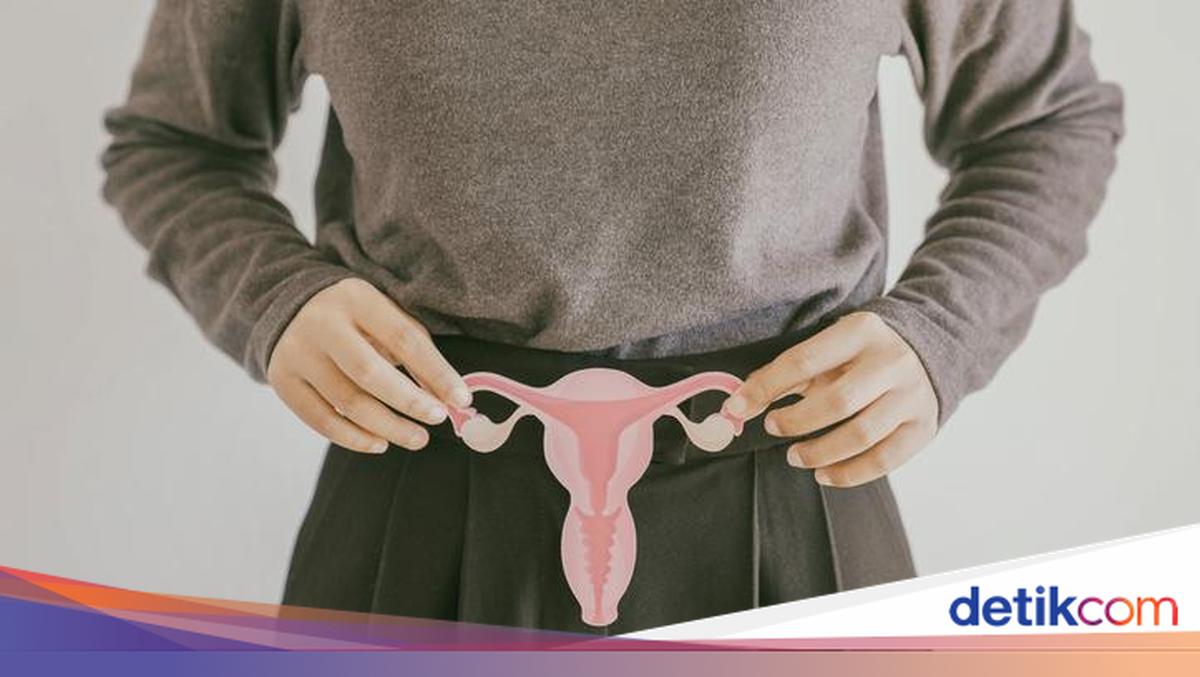
Polycystic Ovary Syndrome (PCOS) has emerged as a significant global public health concern, affecting an estimated 8% to 13% of women of reproductive age worldwide. As a complex endocrine and metabolic disorder, PCOS is characterized by a constellation of symptoms including hyperandrogenism, ovulatory dysfunction, and the presence of polycystic ovaries. Beyond the physical manifestations, the condition is deeply intertwined with metabolic health, particularly insulin resistance, which affects up to 75% of patients. Managing this chronic condition requires a multidisciplinary approach, with medical experts increasingly emphasizing the pivotal role of nutritional intervention as a foundational pillar of therapy.
The physiological mechanisms driving PCOS are multifaceted. At its core, the syndrome involves a disruption in the endocrine system, where the body produces higher-than-normal levels of androgens—male hormones that, when elevated in females, interfere with the development and release of eggs during the ovulation cycle. Concurrently, the body’s inability to process insulin effectively leads to hyperinsulinemia, which further exacerbates androgen production, creating a cyclical reinforcement of symptoms. While pharmacological treatments such as metformin or hormonal contraceptives are frequently prescribed to manage these imbalances, clinical guidelines now advocate for lifestyle modifications, specifically dietary adjustments, as a primary line of defense.
The Nutritional Strategy for Hormonal Regulation
Dietary management for PCOS is not merely about caloric restriction; it is about metabolic optimization. Nutritional science indicates that anti-inflammatory and low-glycemic index (GI) diets can significantly mitigate the severity of PCOS symptoms. By reducing systemic inflammation and stabilizing blood glucose levels, women can lower their insulin response, thereby reducing the stimulus for ovarian androgen production. Integrating specific, nutrient-dense foods can serve as a catalyst for hormonal normalization, addressing both the reproductive and metabolic consequences of the syndrome.
1. Maitake Mushrooms: The Ovulation Ally
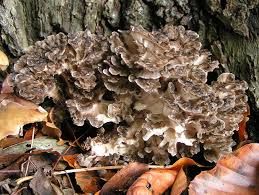
The inclusion of Maitake mushrooms (Grifola frondosa) in a PCOS-friendly diet has gained attention in recent years due to their unique bioactive compounds. Traditionally used in East Asian medicine, modern research has begun to quantify their potential. Maitake mushrooms are rich in D-fraction polysaccharides, which have been studied for their ability to improve insulin sensitivity and support ovarian function.
Clinical observations suggest that Maitake extract may facilitate ovulation in women who suffer from clomiphene-resistant PCOS. By acting as a natural insulin sensitizer, these mushrooms help restore the hormonal signaling required for the menstrual cycle to resume its natural rhythm. Furthermore, their high concentration of antioxidants serves as a defense against the oxidative stress often seen in women with metabolic disorders, protecting reproductive cells from premature damage.
2. The Role of Omega-3 Fatty Acids in Salmon
Salmon and other cold-water fatty fish are non-negotiable components of an anti-inflammatory protocol. The primary benefit lies in their high concentration of eicosapentaenoic acid (EPA) and docosahexaenoic acid (DHA). For women with PCOS, omega-3 fatty acids are essential for reducing systemic inflammation—a common underlying factor in the pathology of the syndrome.
Data suggests that regular intake of omega-3s can lead to significant improvements in lipid profiles, specifically by lowering triglyceride levels and increasing HDL (the "good" cholesterol). Moreover, these fats play a crucial role in managing the psychological aspects of PCOS, such as anxiety and mood fluctuations, which are often exacerbated by chronic inflammation. Clinical consensus recommends two servings of fatty fish per week, or high-quality supplementation, to maintain therapeutic levels of omega-3 in the bloodstream.
Micronutrient Deficiencies and Metabolic Support
A significant challenge in managing PCOS is the high prevalence of nutritional deficiencies. Studies have consistently demonstrated that women with this condition often lack essential B-vitamins, minerals, and antioxidants necessary for metabolic processing.
3. The Power of Leafy Greens
Leafy greens—including spinach, kale, Swiss chard, and arugula—are foundational for hormonal balance. They are rich in B-vitamins, particularly folate (B9), which is critical for reproductive health. Research indicates that approximately 80% of women diagnosed with PCOS exhibit some form of vitamin B deficiency, which correlates with poorer metabolic outcomes.
Vitamin B plays an essential role in glucose metabolism and the regulation of homocysteine levels. When these levels are optimized through the intake of folate-rich foods, patients often report a reduction in hirsutism (excessive hair growth) and an improvement in skin health, both of which are common concerns for those with hyperandrogenism. Furthermore, the high fiber content in leafy greens helps stabilize blood sugar spikes after meals, preventing the surge of insulin that triggers androgenic symptoms.
4. Nuts and Seeds: The Seed Cycling Concept
The consumption of nuts and seeds—such as flaxseeds, chia seeds, pumpkin seeds, and sunflower seeds—provides the body with essential fatty acids and minerals like zinc and magnesium. Beyond their nutritional density, they are central to the practice of "seed cycling," a dietary method aimed at supporting the body during different phases of the menstrual cycle.

While large-scale longitudinal clinical trials are still ongoing, many nutritionists support the inclusion of these seeds to provide the lignans and phytoestrogens necessary for hormone metabolism. Zinc, in particular, is vital for the health of the follicular environment, potentially aiding in the maturation of oocytes. By incorporating a variety of nuts and seeds into the daily diet, women can ensure a steady intake of healthy fats that are necessary for the synthesis of progesterone and estrogen.
Addressing Metabolic Syndrome and Weight Management
5. Lentils and Legumes: Sustained Energy
Legumes, including lentils, chickpeas, and black beans, are the gold standard for blood sugar management. They possess a low glycemic index, meaning they cause a gradual, rather than sharp, increase in blood glucose levels. For a patient with PCOS, this is vital to preventing the hyperinsulinemia that drives the cycle of ovarian dysfunction.
Lentils are also an excellent source of plant-based protein and fiber. The combination of protein and complex carbohydrates promotes satiety, which is a major factor in sustainable weight management—a primary treatment goal for many women with PCOS. By regulating digestion and gut health, legumes support the gut-brain-hormone axis. However, practitioners advise mindful consumption, as some individuals may experience gastrointestinal sensitivity; thus, preparation methods such as soaking and proper cooking are encouraged to maximize nutrient bioavailability.
Broader Clinical Implications and Future Outlook
The shift toward nutritional therapy for PCOS represents a broader move in modern medicine toward "lifestyle as medicine." The implications of this are profound: by managing diet, many women can potentially reduce their reliance on high-dose pharmacological interventions and their associated side effects.

However, nutritionists and endocrinologists stress that these dietary changes should not replace conventional medical care. PCOS is a systemic condition that requires consistent monitoring of blood pressure, blood glucose levels, and hormonal panels. The integration of the foods listed above should be viewed as a supportive measure that enhances the efficacy of medical treatments.
Looking ahead, the medical community is calling for more standardized research into the specific dietary patterns that yield the most consistent results. Current trends suggest that personalization is key; what works for one patient may need adjustment for another based on their specific insulin sensitivity and body mass index. As we gain a deeper understanding of the gut microbiome’s role in hormonal health, it is likely that future guidelines will place even greater emphasis on the anti-inflammatory and prebiotic qualities of food.
In conclusion, while there is no "cure" for PCOS, the condition is highly manageable. Through a disciplined approach to nutrition—incorporating Maitake mushrooms for ovulation support, salmon for anti-inflammatory omega-3s, leafy greens for B-vitamin replenishment, nuts and seeds for hormonal regulation, and legumes for blood sugar stabilization—women can take proactive control of their reproductive and metabolic health. As the scientific evidence continues to mount, these dietary interventions are proving to be not just helpful, but essential components of a holistic management strategy for women navigating the complexities of PCOS.