The modern urban lifestyle, characterized by convenience, high-stress environments, and a reliance on quick-service foods, has given rise to a silent health epidemic that affects millions globally. Among the most pervasive yet overlooked health threats is metabolic dysfunction-associated steatotic liver disease (MASLD), more commonly known as fatty liver disease. Long associated exclusively with heavy alcohol consumption, non-alcoholic forms of fatty liver are increasingly diagnosed in individuals whose primary vice is far more socially acceptable and deceptively innocent: sweetened beverages. From iced milk coffees and contemporary artisan teas to ubiquitous boba pearls steeped in liquid sugar, liquid calories have become a dietary staple. However, public health experts are raising alarms that the growing consumption of these high-sugar beverages is directly fueling a surge in metabolic disorders, starting in the liver.
Anatomy of a Silent Threat
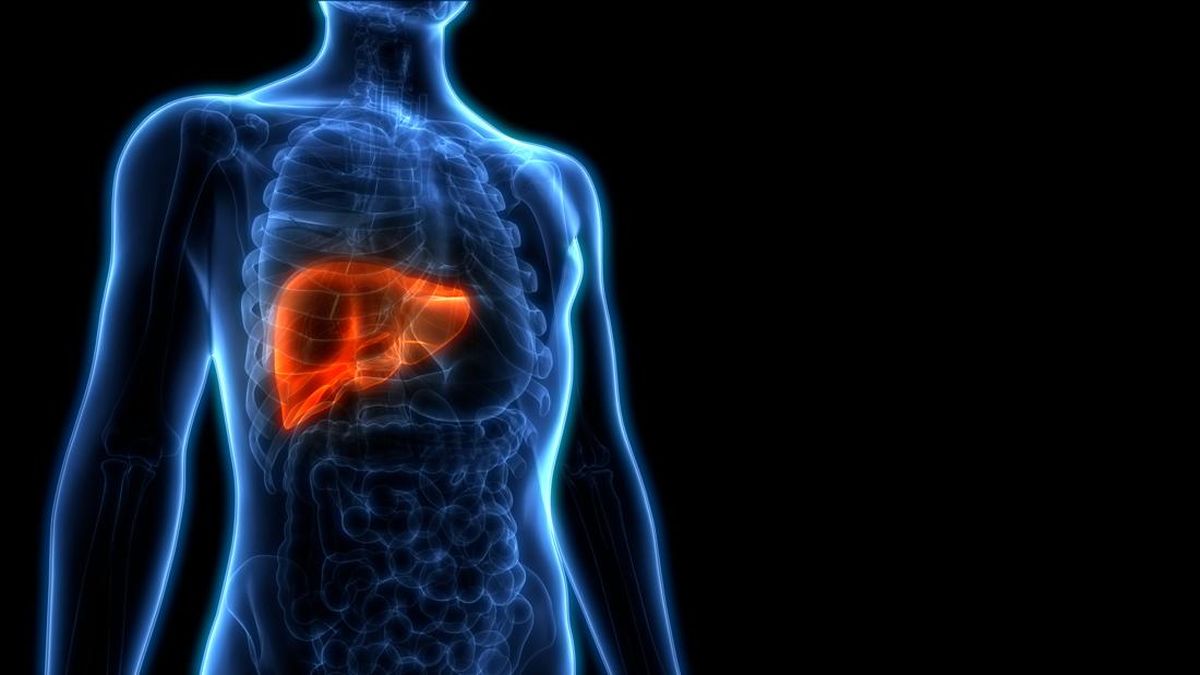
Fatty liver disease occurs when fat accumulates abnormally inside liver cells, exceeding 5 percent of the organ’s overall weight. While a healthy liver naturally contains a minimal amount of fat, surpassing this threshold triggers a cascade of physiological distress. If left unchecked, the excessive lipid accumulation causes cellular stress, leading to inflammation, tissue scarring, and eventually advanced liver damage that can culminate in cirrhosis or liver failure.
Medical professionals emphasize that this condition is deeply intertwined with systemic metabolic dysfunction. Dr. Irsan Hasan, a Gastroenterohepatology Consultant at Eka Hospital MT Haryono, notes that the sharp rise in MASLD cases mirrors broader shifts in modern societal habits. These include diets heavy in ultra-processed foods, chronic caloric surpluses, and pervasive physical inactivity. What makes the condition particularly insidious is its asymptomatic nature in early stages. Often dubbed a "silent disease," individuals can harbor significant hepatic fat accumulation for years without experiencing overt warning signs, making routine medical screenings vital for high-risk populations.
The Biochemical Trap of Liquid Fructose
The mechanism by which sugary beverages promote fatty liver is rooted in human biochemistry, specifically how the body processes different types of dietary sugars. While glucose can be readily utilized for energy by virtually every cell in the human body, dietary fructose—frequently introduced via high-fructose corn syrup and refined cane sugar found in commercial drinks—is metabolized primarily by the liver.
When an individual consumes excessive amounts of fructose, the liver is overwhelmed. Lacking the regulatory feedback loops that control glucose metabolism, the liver converts the surplus fructose directly into fat through a pathway known as de novo lipogenesis. These newly synthesized fats accumulate directly within the hepatic parenchyma. Furthermore, chronically high sugar intake contributes heavily to insulin resistance, a state in which the body’s cells fail to respond effectively to the hormone insulin. This metabolic breakdown further impairs lipid regulation, accelerating fat storage in the liver and compounding the systemic inflammatory response.
Recognizing the Red Flags: Fatigue and Beyond
Because fatty liver disease rarely presents distinct symptoms during its formative stages, identifying the condition can be exceptionally difficult. One of the few subtle and non-specific complaints reported by individuals with developing hepatic fat accumulation is chronic, unexplained fatigue.
The liver is the body’s primary metabolic powerhouse, tasked with over 500 vital functions, including energy storage, protein synthesis, detoxification, and nutrient processing. When fat infiltration sparks chronic inflammation—a progression known as Metabolic dysfunction-Associated Steatohepatitis (MASH)—the liver’s efficiency drops, leaving the patient feeling persistently drained and lethargic.
However, medical experts caution against jumping to conclusions. Fatigue is a universal symptom shared by dozens of medical conditions, ranging from simple sleep deprivation and chronic stress to thyroid disorders and anemia. Therefore, persistent fatigue, particularly when accompanied by metabolic risk factors, warrants a comprehensive clinical evaluation rather than self-diagnosis.
Who Is at Risk?
While overweight and obese individuals face the highest statistical probability of developing MASLD, medical science has revealed that body weight alone is an imperfect metric for health. A growing subset of patients with normal body mass indices—a phenomenon termed "lean MASLD"—are diagnosed with severe hepatic fat accumulation. This vulnerability can be driven by genetic predispositions, visceral fat distribution around abdominal organs, and underlying insulin resistance.
Broadly speaking, the risk profile for MASLD encompasses several well-defined clinical conditions:
- Obesity, particularly when characterized by significant visceral fat accumulation around the abdomen.
- Type 2 diabetes and prediabetes, where systemic insulin resistance directly promotes liver fat storage.
- Dyslipidemia, marked by elevated blood triglycerides or abnormal cholesterol profiles.
- Hypertension, which frequently clusters with other metabolic syndrome markers.
- Chronic high intake of dietary sugars, particularly through processed beverages and ultra-processed foods.
Actionable Strategies for Prevention and Reversal
Unlike genetic conditions, fatty liver disease is largely preventable and, in its early stages, reversible through targeted lifestyle modifications. Medical guidelines emphasize a gradual, sustainable approach to health rather than drastic, short-lived interventions.
-
Drastically Limit Sweetened Beverages
The most immediate dietary intervention is replacing sugary drinks—including sodas, commercial teas, boba, sweetened iced coffees, and packaged fruit juices—with plain water or unsweetened alternatives. Consumers must also remain vigilant regarding marketing claims; beverages labeled as "less sugar" or "low sugar" still contribute significantly to daily caloric and fructose loads. -
Adopt a Sustainable Weight Management Plan
For individuals carrying excess weight, gradual weight loss of 5 to 10 percent of total body weight can significantly reduce intrahepatic fat and improve overall metabolic profiles. Crash dieting and extreme caloric restriction should be strictly avoided, as rapid weight loss can paradoxically worsen liver inflammation and scarring. -
Restructure the Daily Diet
A liver-healthy diet prioritizes whole foods, including abundant vegetables, fresh fruits, whole grains, and healthy plant-based fats found in avocados, nuts, and olive oil. Conversely, highly processed foods, trans fats, and products containing added sugars should be minimized to restore metabolic equilibrium. -
Engage in Consistent Physical Activity
Regular exercise enhances insulin sensitivity and facilitates the mobilization of stored fats. Health authorities universally recommend at least 150 minutes of moderate-intensity aerobic exercise—such as brisk walking, swimming, or cycling—per week, tailored to individual physical capacities and underlying health conditions. -
Prioritize Regular Medical Screenings
Individuals presenting with metabolic risk factors such as hypertension, diabetes, obesity, or persistent, unexplained fatigue should consult healthcare professionals for diagnostic evaluations, which may include blood panels and imaging studies like liver ultrasonography or elastography. Early detection remains the single most effective tool in preventing the progression of metabolic liver disease, ensuring that simple lifestyle adjustments can restore long-term hepatic health.