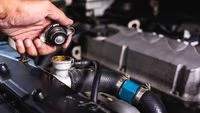
Jakarta, CNN Indonesia — The radiator holds a vital role in maintaining the thermal stability of a vehicle’s engine, acting as the primary line of defense against destructive thermal overloads. To ensure that an automobile continues to perform at its peak and to prevent catastrophic mechanical failures, vehicle owners must develop a comprehensive understanding of when and how to properly service this critical cooling component. Modern internal combustion engines operate under extreme pressures and intense localized temperatures, making the health of the cooling system a matter of paramount importance for both vehicle longevity and driver safety.
According to technical service guidelines published by leading automotive networks such as Auto2000, radiator servicing should be integrated systematically into a vehicle’s regular maintenance schedule. Industry standards generally dictate that a vehicle radiator requires a thorough professional inspection, flush, or cleaning every 40,000 to 80,000 kilometers, or approximately every six months to one year, depending on the intensity of usage.
However, automotive engineers emphasize that these generalized intervals are not absolute. The optimal maintenance schedule must be dynamically adjusted based on the specific make and model of the vehicle, the formulation of the coolant used, and the grueling realities of daily driving conditions. Vehicles operating extensively in dense metropolitan areas characterized by severe, gridlocked traffic—where continuous idling severely restricts airflow through the grille—or those regularly subjected to heavy-load hauling and rugged terrain, demand significantly more frequent interventions. Under such arduous conditions, accumulated debris and thermal stress accelerate wear, necessitating preventative checks at much shorter intervals to avoid unexpected roadside breakdowns.
Recognizing the Early Warning Signs of Radiator Failure
While adherence to a preventative maintenance calendar remains the gold standard of vehicle ownership, mechanical systems can occasionally exhibit distress prior to a scheduled service appointment. Vehicle owners are strongly advised to remain vigilant regarding several prominent indicators that signal an immediate need for professional diagnostic evaluation and radiator servicing.
The most prevalent and alarming indicator of cooling system degradation is a rapid, uncharacteristic rise in engine temperature. If the temperature gauge on the dashboard begins creeping into the red zone, or if the engine bay radiates excessive heat significantly faster than under normal operating conditions, the cooling loop is likely compromised. This thermal spike may stem from restricted coolant flow, a malfunctioning thermostat, a failing water pump, or a blocked radiator core.
Furthermore, motorists are strongly encouraged to routinely inspect the coolant reservoir fluid levels. Low coolant levels, recurring fluid loss without external puddling, or the presence of an oily film and discoloration within the coolant recovery tank point to internal leaks, head gasket issues, or severe internal corrosion. Ignoring these visual cues can quickly transition a minor cooling system inefficiency into a catastrophic engine failure characterized by warped cylinder heads, cracked engine blocks, and ruined piston rings.
The Anatomy of Overheating: Why Routine Radiator Servicing is Non-Negotiable
As the cornerstone of an automobile’s thermal management infrastructure, the radiator operates under punishing physical conditions. This is particularly true during peak summer months, when ambient temperatures soar, or during prolonged bumper-to-bumper commutes where vehicle velocity is insufficient to force adequate ambient air through the radiator fins.
Over thousands of kilometers of operation, rust, mineral deposits from hard water, degraded coolant additives, and external environmental contaminants such as dust, road grime, and insect residue accumulate within the system. This buildup clogs the microscopic channels of the radiator core, severely inhibiting heat dissipation.
To underscore the critical nature of preventative upkeep, automotive experts outline three primary justifications for routine radiator servicing:
-
Mitigation of Catastrophic Overheating
When a radiator becomes clogged or fails to circulate coolant efficiently, thermal energy becomes trapped within the engine block. Uncontrolled high temperatures compromise the structural integrity of vital internal components. Cylinder heads can warp, engine blocks can crack, and head gaskets—which seal the combustion chambers from oil and coolant passages—frequently blow. Replacing a blown head gasket or rebuilding an overheated engine routinely incurs repair bills that dwarf the modest cost of a routine radiator flush. -
Preservation of Optimal Fuel Efficiency
An internal combustion engine is a thermodynamic machine engineered to perform within a precise, optimal operating temperature window. When a cooling system is compromised and the engine runs excessively hot, the Engine Control Unit (ECU) may alter fuel-air ratios, spark timing, and valve actuation to protect the motor from immediate destruction. This compensatory behavior invariably leads to incomplete combustion, sluggish throttle response, and a noticeable surge in fuel consumption. Conversely, maintaining a stable operating temperature ensures maximum thermal efficiency, allowing the vehicle to deliver optimal fuel economy. -
Extension of Component Lifespan and Mechanical Longevity
Sustained exposure to extreme heat degrades engine oil rapidly, destroying its lubricating properties and leaving metal components vulnerable to friction-induced wear. Pistons, piston rings, valve trains, and bearings rely on both clean oil and regulated temperatures to survive. By guaranteeing a stable thermal environment, routine radiator maintenance shields these expensive internal components from premature thermal fatigue, scuffing, and mechanical failure, thereby extending the overall operational lifespan of the vehicle.
Broader Implications for Vehicle Owners and Fleet Management
The implications of neglecting cooling system maintenance extend far beyond individual inconvenience and unexpected repair expenses. From a macroeconomic perspective, poorly maintained vehicles contribute disproportionately to urban congestion and environmental degradation. Overheating vehicles frequently stall on major thoroughfares during peak commuting hours, creating severe traffic bottlenecks that idle thousands of surrounding vehicles, multiplying carbon emissions and wasting billions of hours in lost productivity.
Moreover, in the commercial transportation and logistics sectors, preventative radiator maintenance forms the backbone of fleet reliability. Fleet operators who implement rigorous, data-driven cooling system maintenance schedules report significantly lower total cost of ownership (TCO) and drastically reduced incidence of catastrophic roadside downtime. As modern automotive technology marches toward higher performance outputs and increasingly compact engine bays, the thermal loads placed on cooling systems will only intensify. Consequently, both consumer motorists and professional fleet managers must elevate radiator maintenance from an afterthought to a core pillar of preventative vehicle stewardship, ensuring safety, reliability, and economic efficiency on the road.