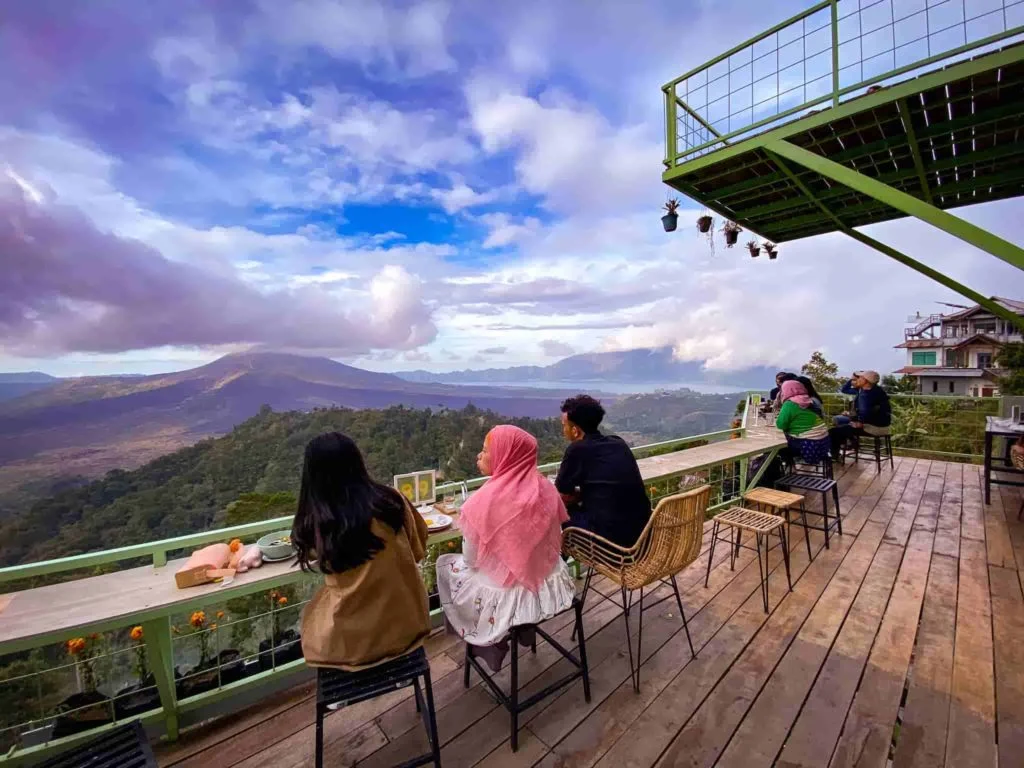
The island of Bali has long cemented its reputation as a premier global tourist destination, attracting millions of visitors annually with its unique blend of cultural heritage and natural landscapes. While the southern coastline of Bali is synonymous with beach clubs and surfing culture, a significant shift in tourism trends has redirected attention toward the island’s northern highlands. The Kintamani region, situated in the Bangli Regency, has emerged as the epicenter of a new "high-altitude cafe culture." This movement centers on the juxtaposition of modern architectural aesthetics with the raw, volcanic backdrop of the Mount Batur caldera.
The evolution of Kintamani from a remote agricultural hub into a bustling gastronomic destination represents a major shift in Bali’s economic landscape. Previously recognized primarily for its citrus farms and volcanic soil, the area has undergone a rapid transformation since 2019. The surge in boutique cafe development has not only altered the skyline of the Penelokan area but has also provided a necessary economic pivot for local communities. This report examines five of the most prominent establishments in the region, their contributions to local tourism, and the broader implications of this development for sustainable regional growth.
The Rise of the Kintamani Coffee Scene: A Chronology of Growth
The development of the Kintamani cafe industry did not occur in a vacuum. It follows a decade-long trend of "Instagrammable" tourism, where visual aesthetics play a critical role in consumer decision-making.
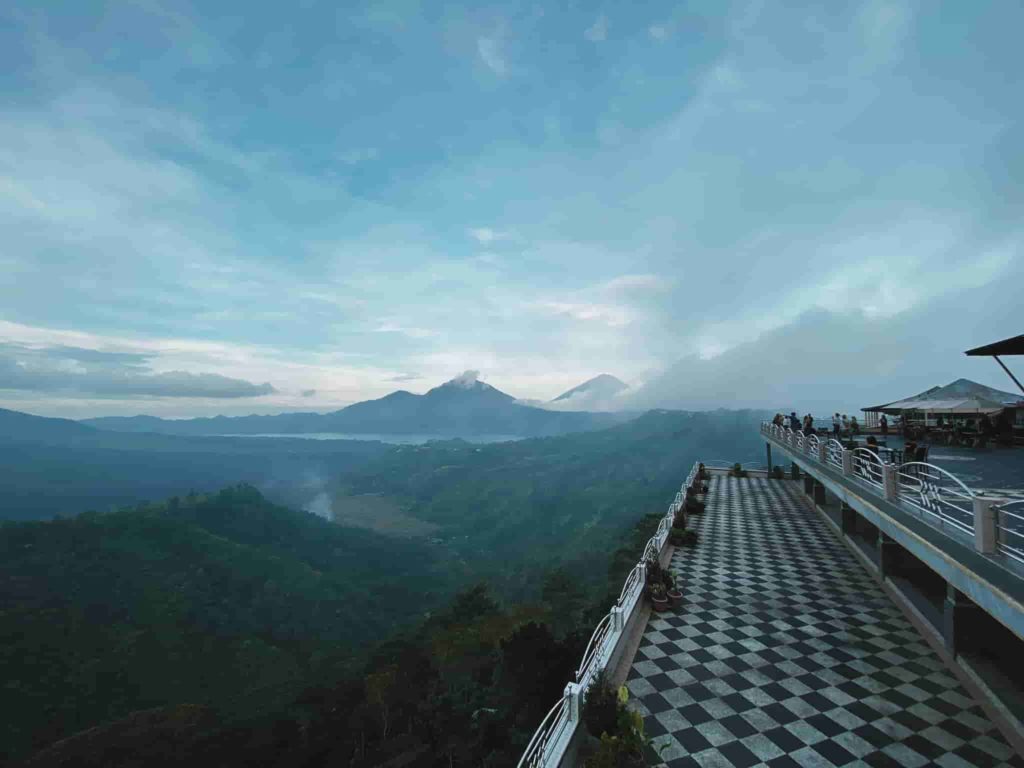
In late 2019, the opening of several flagship cafes, such as Tegu Kopi, signaled a change in the region’s hospitality infrastructure. Before this, most visitors to Kintamani were transient, passing through on tours to hike Mount Batur. The introduction of permanent, high-design venues encouraged tourists to linger, effectively increasing the "average length of stay" in the Bangli Regency. This shift was accelerated by the global pandemic, as domestic tourists sought open-air, high-altitude venues that offered both natural ventilation and scenic seclusion, moving away from the crowded urban centers of Seminyak and Canggu.
Tegu Kopi: Setting the Standard for Modern Alpine Design
Tegu Kopi, established in December 2019, is widely considered the pioneer of the contemporary Kintamani cafe movement. Located along the Jalan Raya Penelokan, the venue serves as a primary observation point for the caldera. Its design philosophy emphasizes a minimalist approach, ensuring that the architecture acts as a frame for the surrounding natural features—namely, the interplay between Mount Batur, Mount Abang, and the expansive Lake Batur.
The cafe’s success lies in its thermal advantage. With temperatures frequently dipping to 17–18 degrees Celsius, the venue offers a rare climate-controlled experience in a tropical nation. From an analytical perspective, Tegu Kopi’s success demonstrates the importance of "location-centric branding." By leveraging the natural "golden hour" light that hits the mountains during sunset, the cafe has created a highly marketable product that generates organic, user-driven promotional content across digital platforms.
Eco Bike Coffee: Integrating Agriculture and Hospitality
Eco Bike Coffee represents a more complex business model that attempts to merge the agricultural history of the region with modern tourism. Occupying a three-story structure, it is often cited as the largest establishment in the cliffside category.
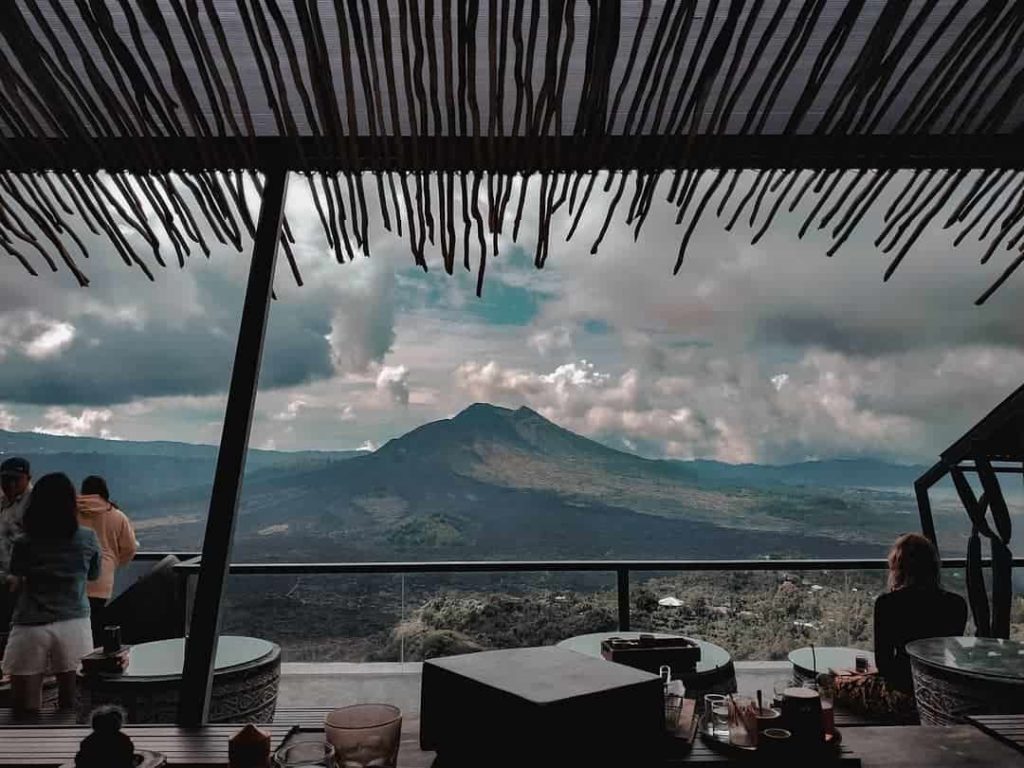
The structure of the cafe is noteworthy for its vertical zoning. The lower level integrates directly with the facility’s private coffee plantations, providing visitors with a "farm-to-cup" narrative that is increasingly valued by modern consumers. However, the reliance on high-altitude outdoor seating presents a significant operational challenge: weather volatility. Data from local weather patterns indicates that the Kintamani region is subject to dense, rapid-forming fog during the rainy season. This has led to a "weather-dependent revenue cycle," where business volume fluctuates drastically based on atmospheric conditions. Operators have had to implement sophisticated real-time communication strategies to manage guest expectations regarding visibility.
Akasa Coffee: Balancing Premium Positioning and Market Demand
Akasa Coffee serves as a case study in premium positioning. With a menu price point averaging around IDR 150,000, it caters to an affluent demographic seeking an elevated experience. The venue is characterized by its expansive observation deck and specialized menu, which includes a range of international breakfast options alongside local craft coffee.
The economic impact of establishments like Akasa is significant. By providing higher-end services, these venues have attracted a more stable, long-term tourism segment compared to the short-term backpacker traffic that previously dominated the area. Furthermore, the local government has noted that these businesses contribute substantially to regional tax revenue, which is being reinvested into the improvement of local road infrastructure in the Penelokan corridor.
Batur 1926: Architectural Heritage and Strategic Sightlines
Batur 1926 is distinguished by its focus on architectural symbolism. The incorporation of traditional Balinese gate designs (Candi Bentar) into its rooftop structure serves a dual purpose: it creates a distinct brand identity and preserves a sense of cultural continuity amidst modern steel-and-glass construction.
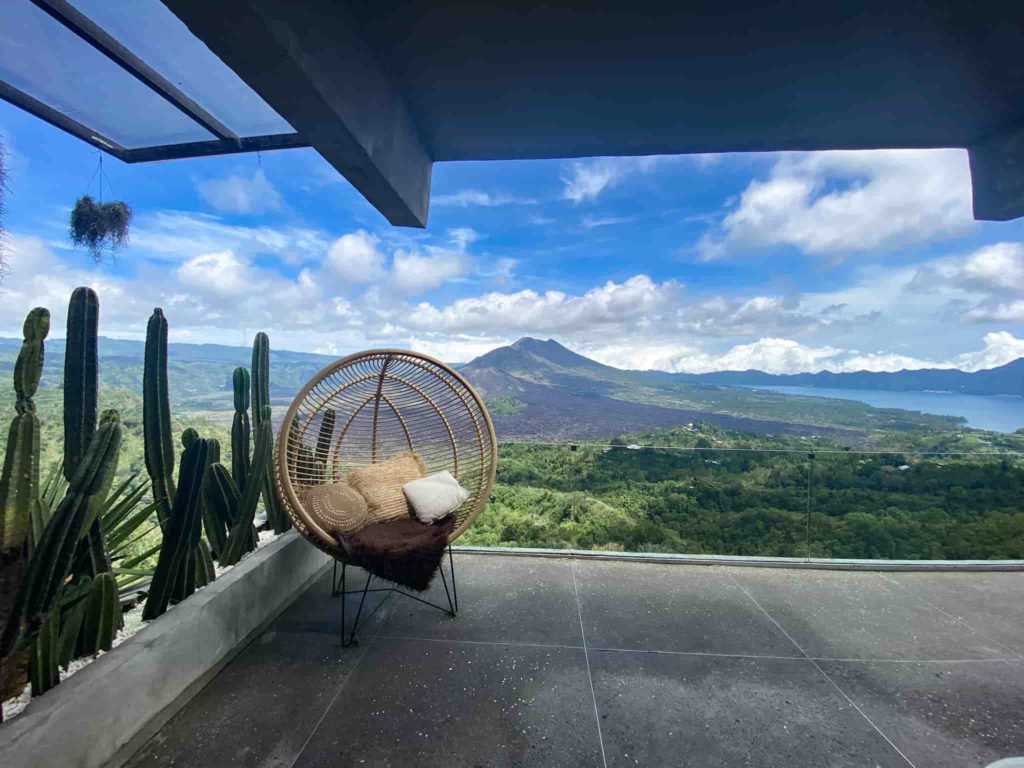
Beyond aesthetics, the venue’s strategic orientation towards the sunrise is a deliberate operational choice. By optimizing the space for the early morning period (opening as early as 05:30), Batur 1926 taps into the existing market of Mount Batur trekkers. This integration of the trekking industry with the coffee industry is a prime example of vertical market expansion, where secondary businesses benefit directly from the primary tourism draw of the mountain itself.
Kava Coffee: Design Integration and Spatial Efficiency
Kava Coffee provides a more intimate, semi-outdoor experience. Located at a slightly different vantage point relative to Lake Batur, it utilizes glass-heavy architecture to ensure that the interior environment is never disconnected from the landscape. The use of long, communal tables encourages a social atmosphere, shifting the focus from individual photography to group interaction. This layout efficiency allows for high turnover rates during peak hours, which is essential for maintaining profitability in a region where real estate costs for prime cliffside property have soared.
Broader Economic and Environmental Implications
The rapid proliferation of these cafes raises important questions regarding the long-term sustainability of the Kintamani region. While the economic benefits are clear—increased employment, higher tax yields, and improved infrastructure—there are inherent risks that local authorities must address:
- Land Use and Zoning: The concentration of buildings along the caldera rim risks "over-development," which could permanently alter the visual integrity of the landscape. Future development will likely require stricter zoning laws to preserve the natural horizon.
- Waste Management: The increase in foot traffic places immense pressure on local waste management systems. Many of the newer cafes are now mandated to implement more rigorous recycling and waste-disposal protocols as part of their operating permits.
- Water Scarcity: As with many highland regions in Indonesia, water management is a critical issue. The shift from agricultural to commercial use increases the demand for water, which must be carefully balanced with the needs of the surrounding local farms.
Conclusion: The Future of Kintamani Tourism
The Kintamani cafe scene has successfully redefined the mountain region as a "must-visit" destination. By combining the natural beauty of the Batur caldera with high-quality hospitality, these venues have transformed the economic trajectory of the Bangli Regency.
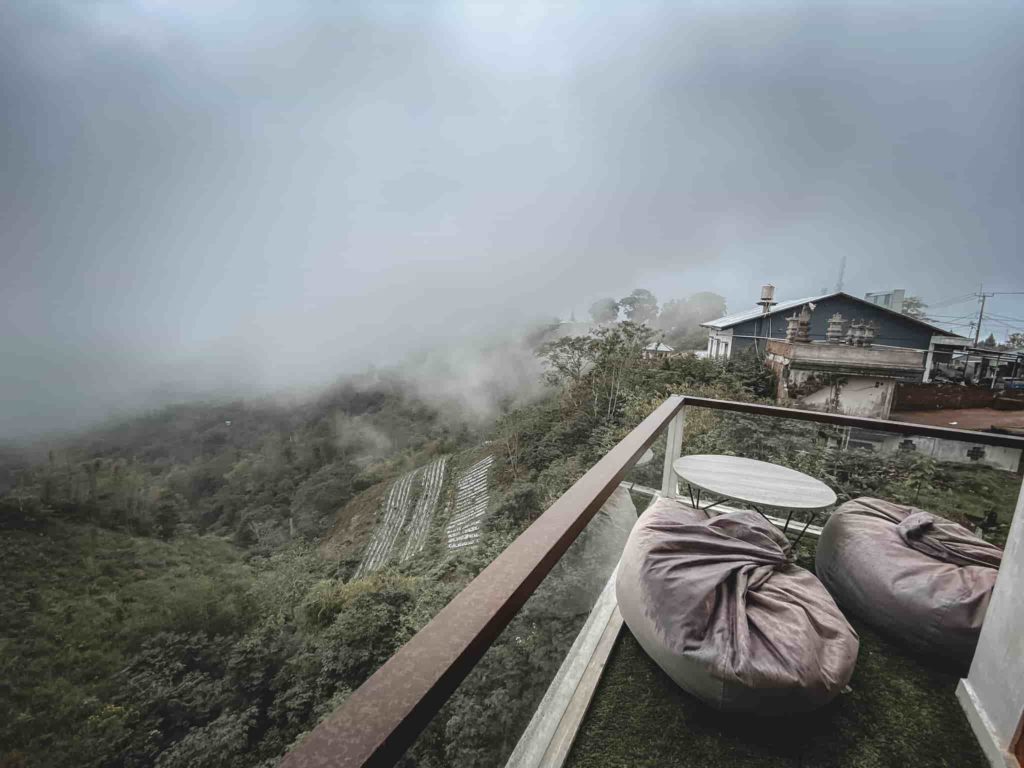
Moving forward, the industry is expected to mature from a phase of rapid expansion to one of consolidation and specialization. The challenge for these business owners will be to maintain their appeal while managing the environmental impacts of their operations. For the visitor, these cafes offer more than just coffee; they offer a vantage point into the shifting face of modern Indonesian tourism—a landscape that is increasingly professional, visually conscious, and deeply connected to the natural world. As the region continues to grow, it will be the integration of local culture, environmental stewardship, and architectural innovation that determines whether Kintamani remains a premier destination for years to come.