The automotive battery serves as the lifeblood of a modern vehicle, functioning as the primary reservoir for the electrical energy required to ignite the engine and sustain the complex array of electronic control units (ECUs), lighting, and infotainment systems that define today’s driving experience. While many motorists view the battery as a "set-and-forget" component, its degradation is an inevitable chemical process that, if ignored, leads to the common frustration of a vehicle failing to start at the most inconvenient moment. Understanding the subtle precursors to battery failure is not merely a matter of convenience; it is a critical aspect of vehicle maintenance that prevents roadside stranding and protects more sensitive, expensive electrical components from power surges or brownouts caused by an unstable supply.
The Anatomy of Battery Degradation: A Brief Context
Automotive batteries, typically lead-acid or Absorbent Glass Mat (AGM) variants, operate through a chemical reaction that converts chemical energy into electrical energy. Over time, the process of sulfation—the accumulation of lead sulfate crystals on the battery plates—reduces the battery’s capacity to hold a charge. This process is accelerated by extreme temperatures, vibration, and irregular usage patterns. In tropical climates, such as those found in Southeast Asia, high ambient heat acts as a catalyst for internal evaporation and grid corrosion, often shortening the theoretical lifespan of a battery compared to vehicles operated in temperate zones.
Chronology of Failure: Recognizing the Warning Signs
Failure is rarely an instantaneous event. It is usually the culmination of a gradual decline that manifests through specific operational anomalies. Recognizing these markers allows vehicle owners to transition from reactive repairs to proactive maintenance.
1. Sluggish Engine Crank and Ignition Delay
The most immediate indicator of a compromised battery is a change in the acoustic signature of the ignition process. When the ignition key is turned or the start button is engaged, the starter motor requires a significant amperage surge to turn the engine over. If the battery lacks the Cold Cranking Amps (CCA) necessary to meet this demand, the starter motor will rotate at a noticeably lower speed. This results in an extended cranking time—a "struggle" to fire up—which is the primary symptom of internal resistance rising within the battery cells. According to technical data from the American Automobile Association (AAA), a sluggish starter is the most reliable precursor to total battery death.
2. The Audible "Click" Phenomenon
When the battery’s voltage drops below the threshold required to engage the starter solenoid, the driver may hear a rapid, repetitive clicking sound upon attempting to start the vehicle. This occurs because the solenoid is receiving enough power to engage but not enough to sustain the starter motor’s operation, causing the relay to rapidly cycle. While this can occasionally point to a faulty starter or a loose ground cable, in the vast majority of cases, it signifies that the battery is no longer capable of delivering the sustained current necessary for ignition.
3. Diminishing Electrical Performance
Modern vehicles are increasingly electrified, relying on battery stability to power everything from fuel injection systems to advanced driver-assistance systems (ADAS). A failing battery often fails to maintain a consistent voltage, which becomes visible through dimming headlights or interior dome lights. In many cases, owners notice that power windows operate at a slower speed than usual or that the dashboard lighting flickers momentarily when the engine is under load. These symptoms occur because the battery is struggling to act as a buffer for the alternator, which is responsible for powering the car’s electronics once the engine is running.
4. The Illumination of the Battery Warning Light
The battery icon on a vehicle’s dashboard is a sophisticated diagnostic indicator. It does not strictly mean "battery failure"; rather, it signals a discrepancy in the electrical charging system. This could be triggered by a dying battery, but it may also indicate a failing alternator, a loose or broken serpentine belt, or a corroded terminal connection. Ignoring this light is a critical error, as it suggests the vehicle is running solely on residual charge, which will inevitably lead to a complete system shutdown once that charge is depleted.
5. Physical Deformation and Corrosion
Visual inspection remains an underrated tool in vehicle maintenance. A battery that has been subjected to extreme heat or overcharging may exhibit a swollen or bloated casing. This deformation is a result of gas buildup inside the battery, which can lead to permanent structural failure. Furthermore, the presence of a white or blueish-green, crusty residue around the battery terminals indicates corrosion. This chemical byproduct increases electrical resistance, effectively choking the flow of power to the vehicle’s electrical system even if the battery itself is otherwise healthy.
6. The Temporal Threshold: Understanding Lifespan
While battery technology has advanced significantly, the consensus among automotive engineers remains that the average lifespan of a standard lead-acid battery is between three and five years. Factors such as driving habits play a decisive role; vehicles that are used for frequent, short-distance commutes often suffer from "under-charging," as the alternator does not have sufficient time to fully restore the energy expended during the initial start. Conversely, vehicles left stationary for extended periods face "parasitic drain," where the battery loses charge to the vehicle’s security, alarm, and clock systems.
Technical Assessment and Professional Diagnosis
For the average driver, confirming battery health requires more than just observation. While a digital multimeter can provide a baseline—where 12.6 volts indicates a fully charged, healthy battery and anything below 12.4 volts suggests a partial discharge—this reading can be deceptive. A battery might show a healthy resting voltage but collapse immediately under the load of a starter motor.
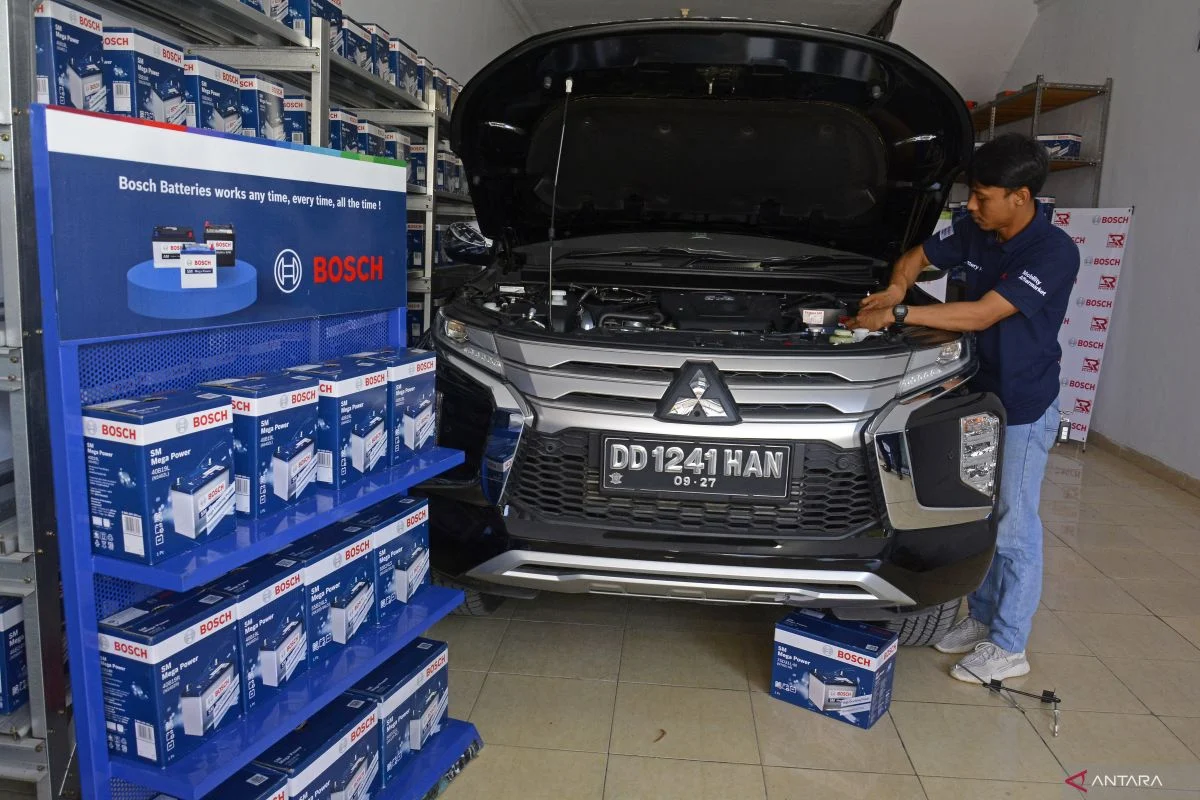
Automotive service centers utilize a "load tester," a device that simulates the heavy electrical demand of an engine start. This diagnostic tool provides a far more accurate assessment of the battery’s internal resistance and its ability to hold a charge under stress. Experts recommend that vehicle owners have their batteries tested during every routine oil change or at least once every six months once the battery passes its two-year mark.
The Broader Impact: Reliability and Safety
The implications of a failed battery extend beyond the inconvenience of a non-starting car. In modern vehicles, a sudden loss of power while driving can cause a "brownout," leading to the failure of electronic power steering, braking assistance systems, and transmission control modules. This creates a significant safety risk.
Furthermore, driving with a dying battery places an excessive, unnecessary strain on the alternator. The alternator is designed to maintain the battery, not to charge it from a dead state; constant operation under these conditions will inevitably lead to premature alternator failure, which is a significantly more expensive repair than a simple battery replacement.
Strategic Maintenance Recommendations
To maximize the life of an automotive battery, vehicle owners should adopt a proactive stance:
- Keep Terminals Clean: Use a mixture of baking soda and water to clean any corrosion from the terminals to ensure optimal conductivity.
- Secure the Battery: Ensure the battery is held firmly in its mounting bracket. Excessive vibration from loose mounting can damage the internal lead plates.
- Limit Stationary Power Usage: Avoid running the infotainment or lighting systems for long periods while the engine is off.
- Monitor Charging Systems: If the battery is replaced but the issue persists, have the alternator and the voltage regulator checked immediately.
In summary, the automotive battery is a finite resource that dictates the operational readiness of the entire vehicle. By paying attention to the early warning signs—sluggish starts, electrical dimming, and visual decay—and adhering to a consistent testing schedule, motorists can avoid the disruption of unexpected mechanical failure and ensure the long-term reliability of their vehicle’s electrical infrastructure. Prevention is not merely a cost-saving measure; it is a fundamental responsibility of vehicle ownership that contributes to overall road safety and mechanical longevity.