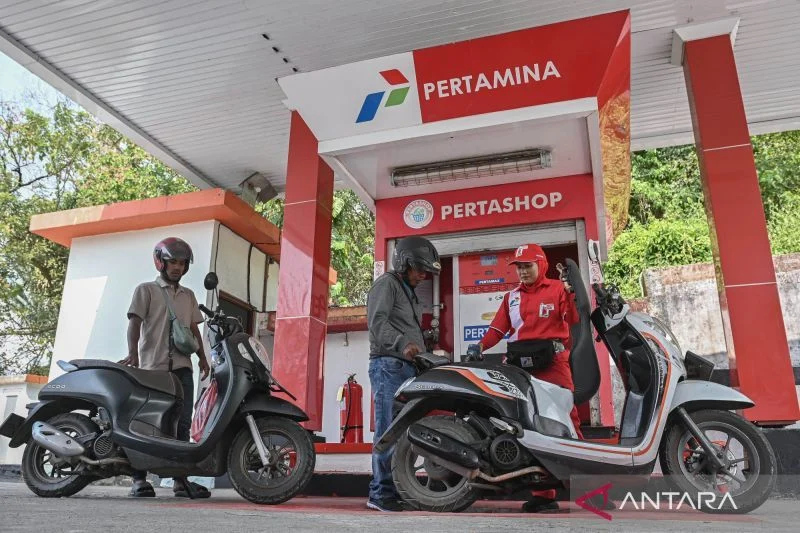
The sudden escalation in motorcycle fuel consumption has become a growing concern for daily commuters, leading to increased operational costs and financial strain. While many riders instinctively assume that a spike in fuel usage signals a catastrophic mechanical failure, the reality is often rooted in a combination of neglected maintenance, environmental factors, and evolving riding habits. Data from automotive maintenance studies indicate that motorcycles operating at sub-optimal conditions can experience a reduction in fuel efficiency ranging from 10% to 25%, a margin that significantly impacts the household budget over the course of a year.
Understanding the intricate relationship between mechanical health and fuel economy is essential for every vehicle owner. By identifying the root causes—which range from simple tire pressure imbalances to more complex issues within the electronic fuel injection system—riders can make informed decisions, avoid unnecessary part replacements, and extend the overall lifespan of their machines.
The Anatomy of Fuel Inefficiency: Mechanical and Environmental Factors
A motorcycle is a complex ecosystem of moving parts that rely on precise synchronization. When one component underperforms, the engine is forced to compensate, typically by consuming more fuel to maintain the desired output.
1. Tire Pressure and Rolling Resistance
One of the most frequently overlooked variables in fuel economy is tire pressure. When a tire is under-inflated, the surface area in contact with the road increases, significantly raising rolling resistance. This friction forces the engine to work harder to achieve and maintain cruising speeds. Industry experts emphasize that even a 5 PSI drop below the manufacturer’s recommended pressure can result in a measurable decrease in mileage. Furthermore, improper pressure accelerates tread wear, compromising the structural integrity of the tire and, more importantly, the handling safety of the motorcycle. Riders are encouraged to check tire pressure weekly while the tires are cold, as heat generated during operation can create misleading pressure readings.
2. Airflow Obstructions and Filter Maintenance
The engine’s internal combustion process requires a precise mixture of oxygen and fuel. The air filter acts as the gatekeeper for this process. If the filter is clogged with dust, soot, or debris—a common occurrence for commuters in urban environments with high pollution levels—the intake of clean air is restricted. Consequently, the Engine Control Unit (ECU) may struggle to balance the fuel-to-air ratio, leading to a "rich" mixture that burns more fuel than necessary. In extreme cases, a blocked filter chokes the engine, requiring the rider to twist the throttle further to achieve standard acceleration, thereby accelerating fuel depletion.
3. Ignition System Degradation
The spark plug is responsible for igniting the fuel-air mixture within the combustion chamber. As a spark plug ages, its electrode degrades, resulting in a weaker or inconsistent spark. This inefficiency leads to incomplete combustion, where fuel is wasted rather than converted into kinetic energy. Symptoms such as engine misfires, rough idling, or difficulty starting are clear indicators that the ignition system requires professional attention. Regular adherence to the manufacturer’s service interval for spark plug replacement is a fundamental aspect of preventive maintenance.
4. Lubrication and Internal Friction
Engine oil is the lifeblood of a motorcycle, tasked with reducing friction between critical moving parts. When oil is old, contaminated, or of the incorrect viscosity, internal resistance within the engine increases. This resistance creates a "drag" effect, requiring the engine to expend more energy simply to overcome its own mechanical friction. Consistently operating a motorcycle with degraded oil not only kills fuel economy but also drastically accelerates the wear and tear of internal components, potentially leading to costly engine overhauls.
The Role of Electronic Fuel Injection (EFI) Systems
In modern motorcycles, fuel delivery is managed by a sophisticated network of sensors and an electronic fuel injector. If the injector nozzle is obstructed by carbon deposits or if sensors provide faulty data to the ECU, the fuel delivery becomes imprecise. While many riders fear that a sudden drop in efficiency implies an injector failure, mechanical experts caution against immediate replacement. Often, these issues stem from secondary electrical faults or software calibration errors. Comprehensive diagnostic scans are recommended before any physical components are dismantled.
Behavioral Economics of Riding
Beyond mechanical health, the behavior of the rider is a primary determinant of fuel efficiency.
- Aggressive Acceleration and Braking: The "stop-and-go" riding style is the enemy of fuel economy. Rapid acceleration consumes significantly more fuel than a gradual, steady increase in speed. Furthermore, braking converts kinetic energy—which the engine burned fuel to create—into wasted heat.
- The Impact of Urban Congestion: Traffic density acts as a constant drain on efficiency. In stop-and-go traffic, a motorcycle spends a large percentage of its time accelerating from a standstill, which is the most fuel-intensive phase of engine operation.
- Payload Management: Physics dictates that weight correlates directly to energy consumption. Overloading a motorcycle beyond its specified capacity forces the engine to operate at a higher load factor, particularly when navigating inclines or initiating movement.
Chronology and Diagnostic Methodology
To determine if a motorcycle is truly suffering from an underlying mechanical fault, owners should adopt a systematic diagnostic approach:
- Baseline Measurement: Establish the current fuel consumption rate by filling the tank to the brim, recording the odometer reading, and calculating the distance traveled until the next full refill. Repeat this over three or four tanks to account for variations in traffic and route.
- Visual Inspection: Before consulting a mechanic, verify the basics: check for visible fuel leaks, ensure the drive chain is properly tensioned and lubricated, and inspect the tires for proper inflation.
- Scheduled Maintenance Review: Check the service manual. If the bike is approaching a mileage interval, perform the necessary oil changes, filter replacements, and spark plug checks as outlined by the manufacturer.
- Professional Consultation: If, after performing these checks, the fuel consumption remains significantly higher than the manufacturer’s rated specifications, take the vehicle to an authorized service center. Provide the mechanic with your documented logs of fuel usage and specific symptoms, such as engine stalling or irregular exhaust smoke.
Broader Implications and Industry Standards
The automotive industry has spent decades optimizing fuel efficiency, but the responsibility ultimately rests with the user. The environmental and economic impact of poorly maintained motorcycles is non-trivial. A fleet of vehicles running on clogged filters and low tire pressure contributes significantly to carbon emissions and unnecessary resource consumption.
Furthermore, the rise of "do-it-yourself" maintenance has led to the widespread use of unauthorized chemical additives and third-party parts, some of which may actually harm the delicate fuel systems of modern engines. Manufacturers strongly advise sticking to OEM (Original Equipment Manufacturer) specifications for parts and fluids.
Expert Perspectives on Future-Proofing
Technical experts from major motorcycle manufacturers emphasize that "prevention is cheaper than the cure." By treating the motorcycle as a precision machine that requires regular, documented care, riders can avoid the frustration of sudden performance drops. The transition to fuel-injected systems has made modern motorcycles more efficient, but it has also made them more sensitive to maintenance lapses.
When asked about the most common mistake riders make, lead mechanics often point to the "ignore-until-broken" mentality. Modern bikes are equipped with various sensors and indicators, such as the Malfunction Indicator Lamp (MIL). Ignoring these warnings while attempting to "save money" by skipping a service interval is a false economy. The cost of a professional diagnostic check is invariably lower than the long-term cost of replacing a seized engine or a damaged fuel system.
In conclusion, while the rising cost of fuel is a challenge, it also serves as a catalyst for better vehicle stewardship. By adopting a disciplined approach to maintenance, refining riding techniques to emphasize smoothness over speed, and paying close attention to the early warning signs provided by the machine, motorcyclists can ensure their vehicles remain efficient, reliable, and safe. The goal is not merely to save a few liters of fuel, but to ensure that the motorcycle remains a dependable partner on the road, capable of performing at its peak regardless of the conditions.