Maintaining correct tire pressure is one of the most fundamental yet frequently overlooked aspects of vehicle maintenance. While modern vehicles are equipped with sophisticated electronics and advanced safety features, the interface between the machine and the road—the tires—remains the most critical factor in driving dynamics. Many motorists continue to rely on subjective "feeling" or visual inspection to determine if a tire is sufficiently inflated, a practice that poses significant risks to vehicle stability, fuel efficiency, and the structural integrity of the tire itself.
Inaccurate tire pressure is not merely a minor inconvenience; it is a leading contributor to preventable road accidents. Data from automotive safety agencies consistently indicate that tires under-inflated by even 20% can increase the risk of a blowout by up to 300%. Furthermore, tires that are operated outside of the manufacturer’s specified range suffer from accelerated tread wear, which necessitates premature replacement and increases long-term vehicle ownership costs.
The Science Behind Tire Inflation
Tires function as the sole point of contact between a vehicle and the road surface. When a tire is properly inflated, its footprint—the area of rubber in contact with the pavement—is optimized for maximum grip. When pressure is too low, the sidewalls flex excessively, generating internal heat that can lead to rubber degradation and, eventually, a structural failure. Conversely, over-inflation reduces the contact patch, leading to uneven wear, a harsh ride, and a diminished ability to handle emergency maneuvers.
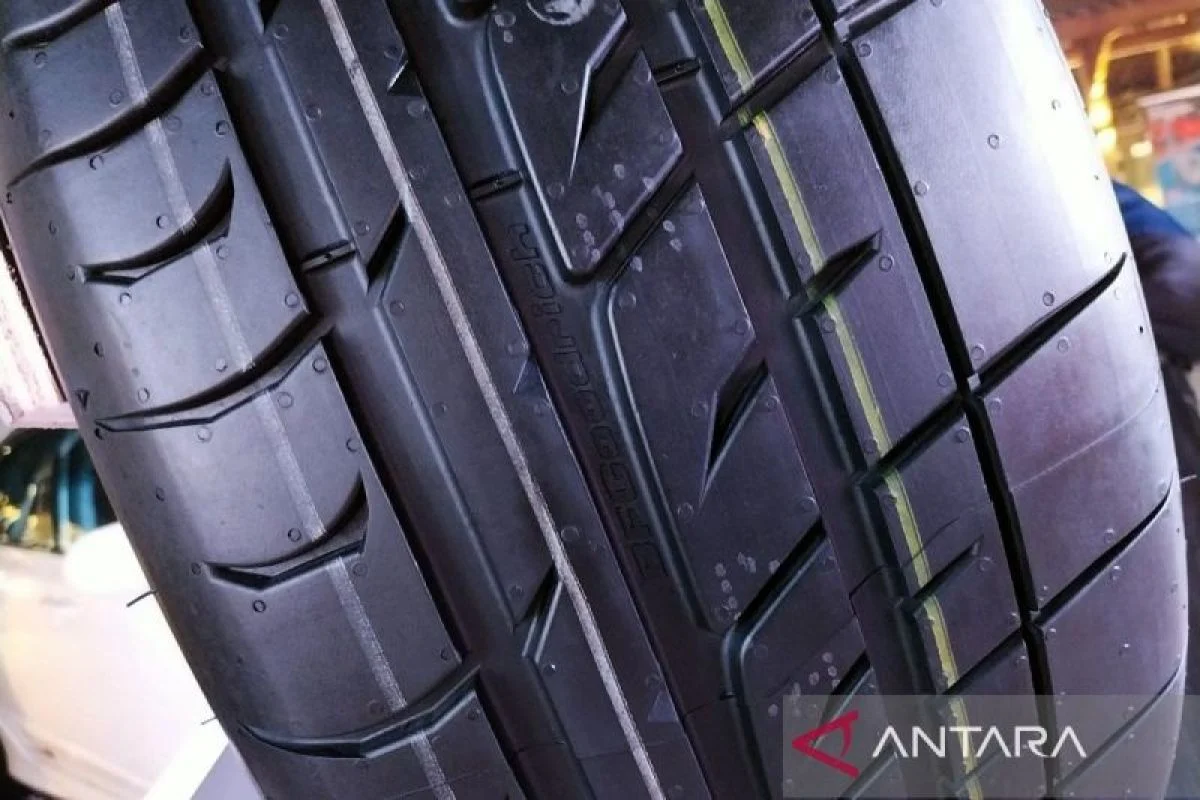
The industry standard for measuring this pressure is Pounds per Square Inch (PSI). Despite this, a pervasive myth exists among drivers: the belief that the pressure rating listed on the tire’s sidewall is the recommended operating pressure. In reality, the figure embossed on the tire sidewall, such as "MAX PRESSURE 44 PSI," denotes the structural threshold of the tire casing under a maximum load—not the recommended pressure for the specific vehicle to which the tire is fitted.
Determining the Manufacturer’s Recommendation
Vehicle manufacturers conduct thousands of hours of testing to determine the precise tire pressure required for optimal handling, braking, and fuel consumption. This information is meticulously calculated based on the vehicle’s curb weight, suspension geometry, and intended usage profile.
Drivers are urged to ignore the sidewall markings and instead locate the vehicle-specific tire placard. This sticker is typically positioned on the B-pillar (the frame behind the driver’s door), inside the fuel filler flap, or within the glove box. Following these guidelines ensures that the vehicle operates within the parameters set by the engineering team.
Guidelines for Motorcycles: Precision in Dynamics
Motorcycles require a more nuanced approach to tire pressure than automobiles due to their reliance on lean angles for steering. For standard scooters and underbone motorcycles, the common operating range is 29-30 PSI for the front tire and 31-33 PSI for the rear.
Yamaha Indonesia and other major manufacturers emphasize that these figures are not static. For instance, if a rider is carrying a passenger or heavy luggage, the rear tire pressure must be adjusted according to the owner’s manual to compensate for the increased load. Failure to increase pressure for a heavier load can cause the rear tire to flatten, leading to sluggish steering response and unpredictable handling in corners. Michelin, a global leader in tire technology, consistently advises riders to check pressures only when the tires are "cold"—meaning the vehicle has been stationary for at least three hours or has traveled less than two kilometers.
Guidelines for Passenger Vehicles: Load and Distribution
For passenger cars, including sedans, hatchbacks, and Multi-Purpose Vehicles (MPVs), the standard pressure range typically falls between 30 and 35 PSI. Toyota Astra Motor notes that while these ranges are generally applicable, they are subject to change based on the specific vehicle model and load capacity.
A critical distinction for car owners is that front and rear pressures are often different. This is because the engine’s weight is usually concentrated at the front, while the rear must support the weight of passengers and cargo. For SUVs and light trucks, the recommended pressures are often higher to support the increased vehicle mass and higher center of gravity.
Managing Heavy Loads and Environmental Factors
When a vehicle is loaded to its maximum capacity, tires experience significantly more stress. Toyota advises that in such scenarios, pressure should be increased by approximately 2-4 PSI. However, this adjustment must remain within the limits defined by the manufacturer. Some modern vehicle placards provide dual-recommendations: one for "light load" and one for "full load."
Environmental temperature also plays a major role. Tires are subject to the Ideal Gas Law; as temperature increases, so does the internal pressure. This is why checking tires after a long highway drive can yield a misleadingly high reading. If a driver measures pressure after a long trip and finds it higher than the cold-pressure recommendation, they should never release air to reach the "cold" target. Doing so will result in an under-inflated tire once the rubber cools down, which is a dangerous condition.
The Broader Economic and Safety Implications
The implications of improper tire pressure extend beyond safety. From an economic perspective, under-inflated tires increase rolling resistance. When resistance is higher, the engine must work harder to propel the vehicle, leading to a measurable decline in fuel economy. Studies suggest that for every 10% drop in pressure, fuel efficiency can decrease by approximately 1-2%. While this may seem marginal on a per-trip basis, the cumulative effect over the lifespan of a vehicle represents a significant environmental and financial impact.
Furthermore, improper pressure is a primary driver of irregular tire wear. "Cupping" or "feathering" of the tread occurs when tires are not properly inflated, shortening the lifespan of a set of tires by thousands of kilometers. In the context of vehicle maintenance, replacing tires prematurely is one of the most common and avoidable expenses for motorists.
A Chronology of Maintenance Best Practices
To maintain peak vehicle performance, automotive experts recommend a structured approach to tire care:
- Weekly Visual Inspection: Before starting the vehicle, perform a walk-around to ensure no tires appear visually flattened or damaged by debris.
- Monthly Pressure Check: Use a calibrated tire gauge at least once a month. Relying on the TPMS (Tire Pressure Monitoring System) is helpful, but these sensors should be verified periodically with a manual gauge.
- Cold Check Protocol: Always check the pressure in the morning, before the vehicle has been driven, to ensure accuracy.
- Before Long-Distance Travel: Always verify pressure before embarking on a long journey, especially if the vehicle will be fully loaded with passengers or luggage.
- Periodic Rotation: Follow the manufacturer’s recommendation for tire rotation to ensure even wear across all four tires, which complements the maintenance of correct pressure.
Professional Conclusion
The responsibility of maintaining correct tire pressure ultimately rests with the vehicle owner. Manufacturers provide the necessary data, and tire technology has advanced to provide greater longevity and safety, but these benefits are nullified if the basic operational environment—the air pressure—is not managed correctly.
By shifting the culture from "feeling" the tires to using objective measurements, drivers can significantly improve their vehicle’s handling characteristics, reduce the risk of catastrophic tire failure, and contribute to a more sustainable driving experience. In an era of increasing road congestion and higher safety standards, such fundamental maintenance practices are the most effective, low-cost investment a driver can make in their own safety and the longevity of their vehicle.