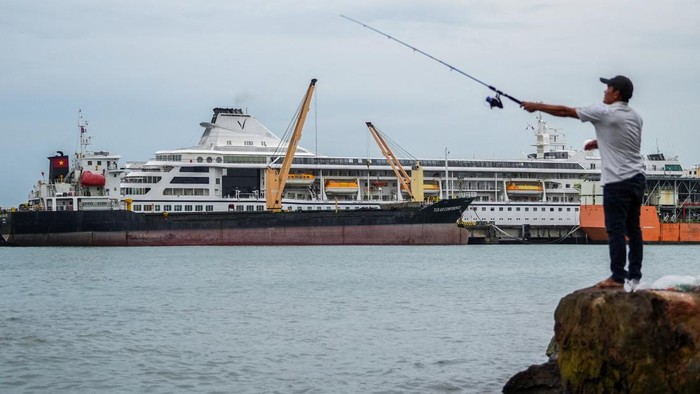
The maritime dream of a permanent, nomadic lifestyle aboard the cruise ship Villa Vie Odyssey has come to an abrupt and chaotic halt in the port of Sihanoukville, Cambodia. Approximately 200 passengers, many of whom had sold their homes and liquidated their assets to secure a life of perpetual travel, found themselves forced to disembark on short notice as the operator, Villa Vie Residences, suspended operations citing unsustainable fuel costs. The incident marks a significant setback for the "residential cruise" model, an emerging niche in the travel industry that promised a three-and-a-half-year global voyage spanning 150 countries.

The Anatomy of a Maritime Collapse
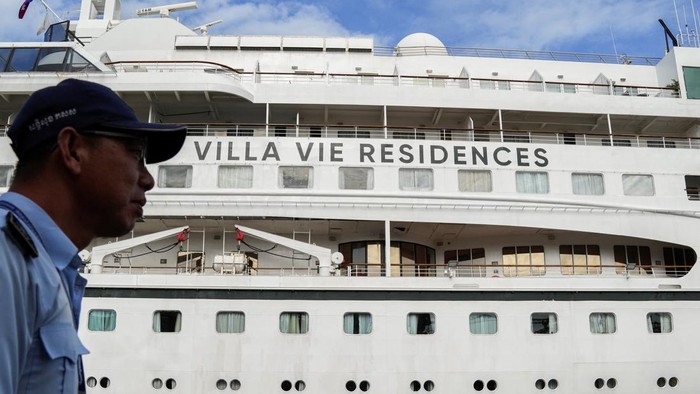
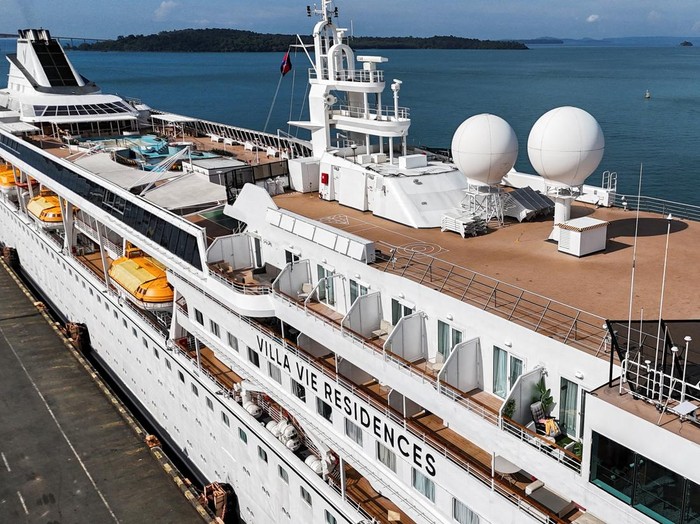
The Villa Vie Odyssey, which had gained international attention for its ambitious premise of offering a floating home to travelers, arrived at the Sihanoukville Autonomous Port on October 23, 2026, following a transit from Thailand. While the vessel was originally scheduled to continue its voyage toward Vietnam, the operator issued a directive on Tuesday, October 27, 2026, mandating that all passengers vacate the ship.
According to local authorities in Preah Sihanouk province, the ship carried 203 passengers and 156 crew members at the time of docking. The transition from a luxury life at sea to sudden displacement was jarring; reports indicate that passengers were given as little as seven hours to gather their belongings and depart the vessel. The immediate aftermath saw a scramble for accommodation in Sihanoukville, with many passengers forced to secure local hotels or arrange emergency flights out of the country as the reality of the suspension set in.

The Economic Trigger: A Volatile Fuel Landscape
The primary catalyst for the shutdown, according to official statements from Villa Vie Residences, is the dramatic escalation in operational costs, specifically regarding fuel. The global energy market has faced extreme volatility since the onset of the regional conflict involving Iran in late February 2026. This geopolitical instability has sent ripples through the shipping industry, causing fuel prices to surge across major maritime corridors, particularly in Asia.
Before the crisis, the operator estimated monthly fuel costs at approximately $1,800 per cabin. Recent reports from the company indicate that these figures have skyrocketed to between $6,000 and $8,000 per cabin in certain regions. For a vessel designed to operate on a model of long-term sustainability, this nearly 300% to 400% increase in overhead proved to be a fatal blow to the company’s liquidity. The business model, which relied on steady, predictable operational costs to maintain a luxury experience for residents, could not absorb such rapid inflationary pressure.

The Concept of Floating Residences
Villa Vie Residences, based in the United States, introduced the Villa Vie Odyssey to the market as a departure from traditional cruise tourism. Unlike standard cruises that last between three days and three weeks, this vessel was marketed as a permanent home. Prospective residents were invited to purchase or lease cabins for the duration of the ship’s operational life.
With entry-level suite prices starting at roughly $230,000, the target demographic included retirees, digital nomads, and individuals seeking to trade the terrestrial constraints of traditional real estate for a life of perpetual mobility. The vessel departed Belfast, Northern Ireland, in October 2024 with great fanfare, carrying the promise of visiting hundreds of ports of call over 42 months. The ship was intended to serve as a self-sustaining ecosystem, complete with residential-grade amenities, medical facilities, and high-speed internet, theoretically allowing residents to maintain their professional lives while traversing the globe.
Chronology of the Voyage
- October 2024: The Villa Vie Odyssey officially launches its maiden voyage from Belfast, Ireland, with a goal of visiting 150 countries over 3.5 years.
- February 2026: Conflict in the Middle East, specifically involving Iran, disrupts global energy supply chains, causing a spike in global bunker fuel prices.
- October 23, 2026: The vessel arrives at the Sihanoukville Autonomous Port, Cambodia, following a stint in Thai waters.
- October 27, 2026: Villa Vie Residences announces an immediate, indefinite suspension of operations due to the inability to meet skyrocketing fuel costs.
- October 28, 2026: Passengers are forced to disembark, with many left to navigate local Cambodian infrastructure to arrange their own transport home or to temporary housing.
Broader Implications for the Travel Industry
The stranded passengers of the Villa Vie Odyssey represent a cautionary tale regarding the risks associated with long-term, non-traditional maritime living. This incident raises critical questions about consumer protections for individuals who "buy into" residential cruise concepts. Unlike traditional real estate, where property rights and occupancy laws are clearly defined, residential cruise ships operate in a legal gray area that often leaves the consumer vulnerable to the financial solvency of the operator.
Industry analysts note that while the "live-at-sea" model has garnered significant interest—spurred by the post-pandemic desire for flexible work-from-anywhere lifestyles—it remains highly susceptible to macroeconomic shocks. The reliance on heavy fuel oil, which is directly tied to the geopolitical stability of oil-producing nations, makes the operational budget of such ships inherently volatile.
Furthermore, the logistical failure in Sihanoukville highlights the lack of a "Plan B" for many passengers. Many residents had effectively given up their permanent addresses on land, meaning they were not merely stranded in a foreign country, but were effectively homeless upon being forced off the ship. The lack of emergency relocation funds or insurance coverage for such an event is now a point of contention that will likely lead to legal scrutiny in the coming months.
The Path Forward
As of late October 2026, the status of the vessel remains uncertain. While the operator has categorized the move as an "operational pause," experts argue that the damage to the brand’s reputation and the financial strain on the company’s coffers may make a return to service difficult. The passengers, meanwhile, are left to seek redress through legal channels or travel insurance providers.
For the travel industry at large, the Villa Vie Odyssey incident serves as a significant case study on the limitations of private-sector maritime ventures. The dream of a nomadic life at sea, while technically feasible, requires a level of financial hedging and contingency planning that may exceed the current capacity of startup-level cruise operators. As energy prices remain elevated and global tensions continue to shift, the viability of similar residential projects will likely face increased scrutiny from both regulators and potential investors.
In the immediate term, the priority for the 200 passengers remains the resolution of their logistical and financial displacement. The incident at Sihanoukville will likely be remembered not just as a fuel crisis, but as a defining moment in the modern history of cruise travel, marking the end of a grand experiment that underestimated the volatility of the world it sought to circumnavigate.