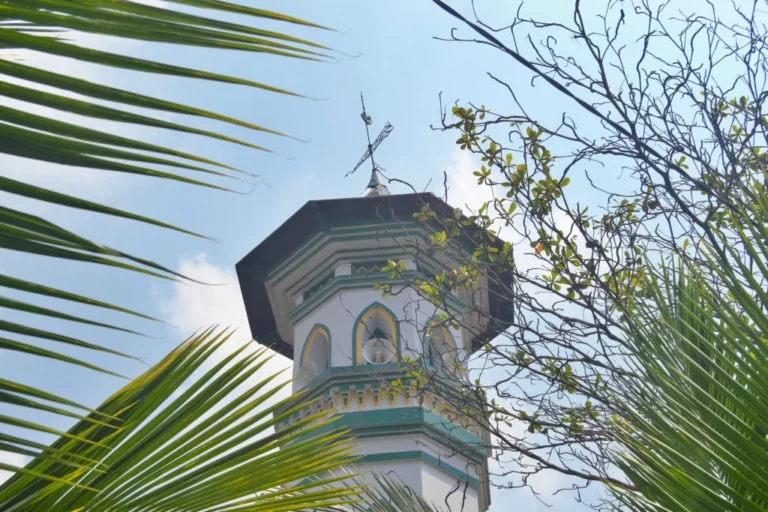
Nestled in the heart of Bogor, West Java, at Jalan Ir. H. Juanda Number 8, stands a silent witness to the turbulent and transformative history of Indonesia: Hotel Salak The Heritage. This four-star establishment is far more than a mere accommodation for tourists and business travelers; it is an architectural landmark that bridges the gap between the Dutch colonial era and the modern Indonesian state. Surrounded by the cool, crisp climate of the Bogor highlands and situated within walking distance of the city’s most significant cultural and scientific landmarks, the hotel remains a focal point for those seeking both comfort and historical immersion.
The strategic importance of its location cannot be overstated. Situated just meters away from the Bogor Botanical Gardens (Kebun Raya Bogor), the Bogor Presidential Palace (Istana Bogor), the Zoology Museum, and the Halimun Salak National Park, the hotel serves as a gateway to both the natural splendor and the political history of the region. However, it is the hotel’s own lineage that commands the most attention from historians and visitors alike.
A Chronology of Transformation: From Colonial Outpost to Modern Landmark
The narrative of Hotel Salak The Heritage begins in 1856, a period when the Dutch East Indies were firmly under the control of the colonial administration. Originally established as the Bellevue-Dibbets Hotel, the property was owned by the family of Charles Ferdinand Pahud, who served as the Governor-General of the Dutch East Indies from 1856 to 1861.
During its inception, the hotel was not designed for the general public. Instead, it functioned as an exclusive lodging facility for high-ranking VOC (Vereenigde Oostindische Compagnie) officials and Dutch colonial elites visiting the Buitenzorg—the colonial name for Bogor—region. The architecture of the building reflects this specific intent; it adheres strictly to the Indische Empire style, characterized by high ceilings, massive white columns, wide verandas, and symmetrical layouts designed to facilitate air circulation in the tropical climate.
The mid-20th century brought significant geopolitical shifts that fundamentally altered the hotel’s function. During the Japanese occupation of Indonesia in the 1940s, the property was seized by the Imperial Japanese Army. The grand, colonial-era architecture was repurposed to serve as a military headquarters. This period marked a transition from a site of colonial leisure to a site of tactical military operations, a testament to the building’s structural durability and strategic positioning.
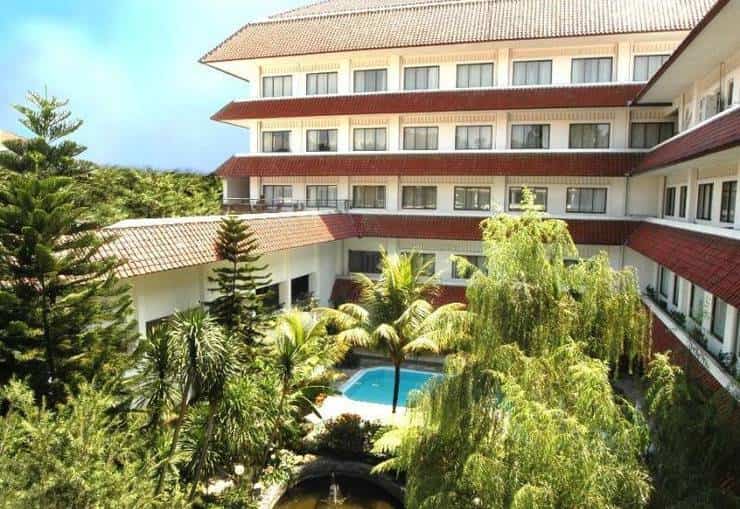
Following the declaration of Indonesia’s independence in 1945, the property underwent a final, definitive transformation. It was nationalized and rebranded as Hotel Salak. Over the decades, the facility underwent several renovations to meet modern hospitality standards while painstakingly preserving its neoclassical Dutch facade. Today, it stands as a 140-room facility featuring 16 versatile meeting rooms, blending 19th-century aesthetics with 21st-century amenities.
Architectural Significance and Heritage Preservation
The enduring charm of Hotel Salak The Heritage lies in its commitment to historical integrity. In an era where many colonial-era buildings in Indonesia have been razed to make way for modern high-rise developments, the management of Hotel Salak has opted for a strategy of adaptive reuse.
The exterior of the building retains the "White House" aesthetic common to European-style architecture imported to the tropics. Thick masonry walls provide natural thermal insulation, while the expansive galleries reflect the social customs of the 19th-century Dutch elite, who favored outdoor interaction within the safety of their estates. Inside, the hotel integrates modern infrastructure—including high-speed wireless internet, climate control, and digital security systems—into the existing structural shell. This preservation effort has made the hotel a prime example of cultural heritage management in urban planning, allowing the structure to remain economically viable without losing its identity as a historical site.
Comprehensive Service and Operational Standards
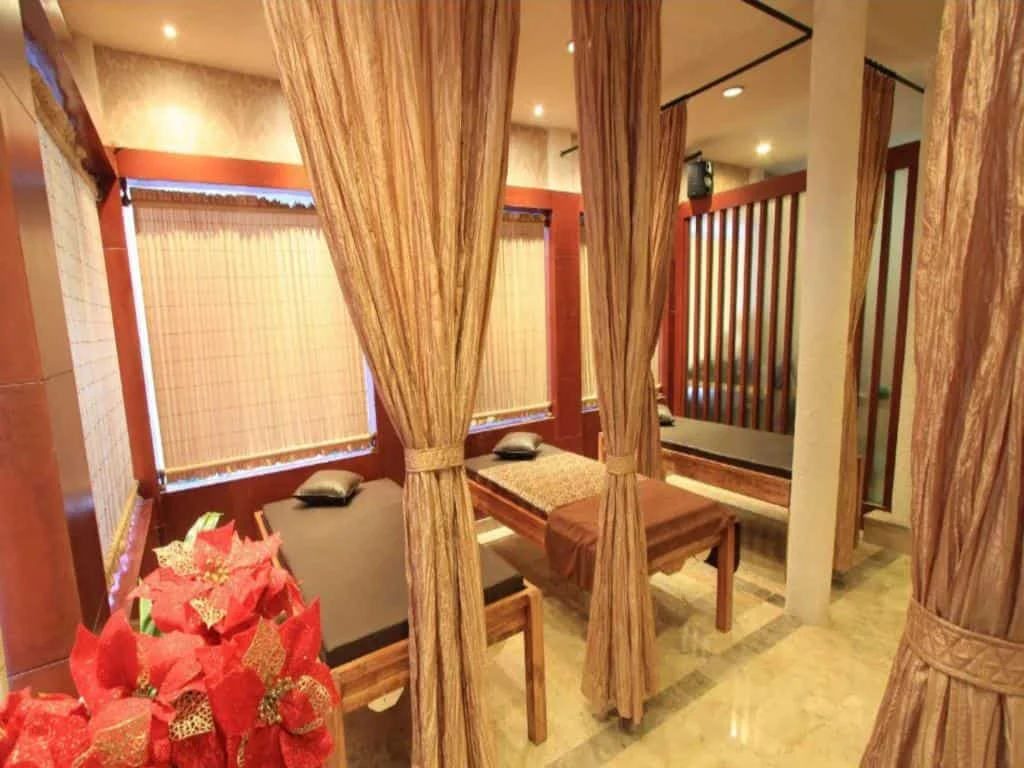
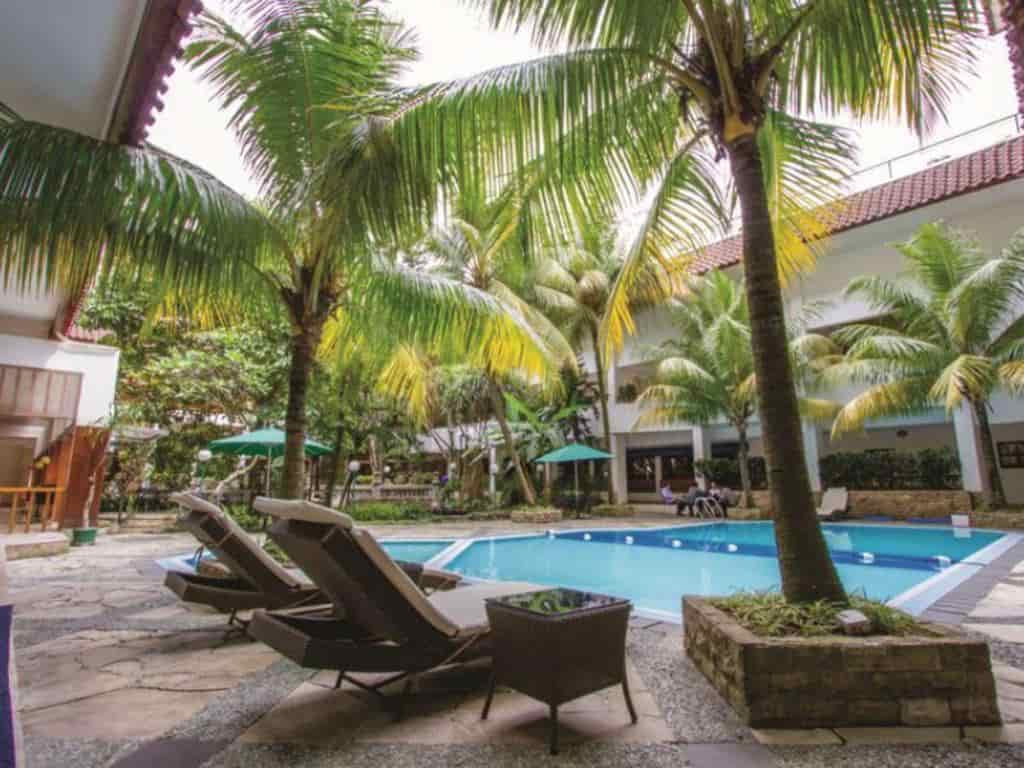
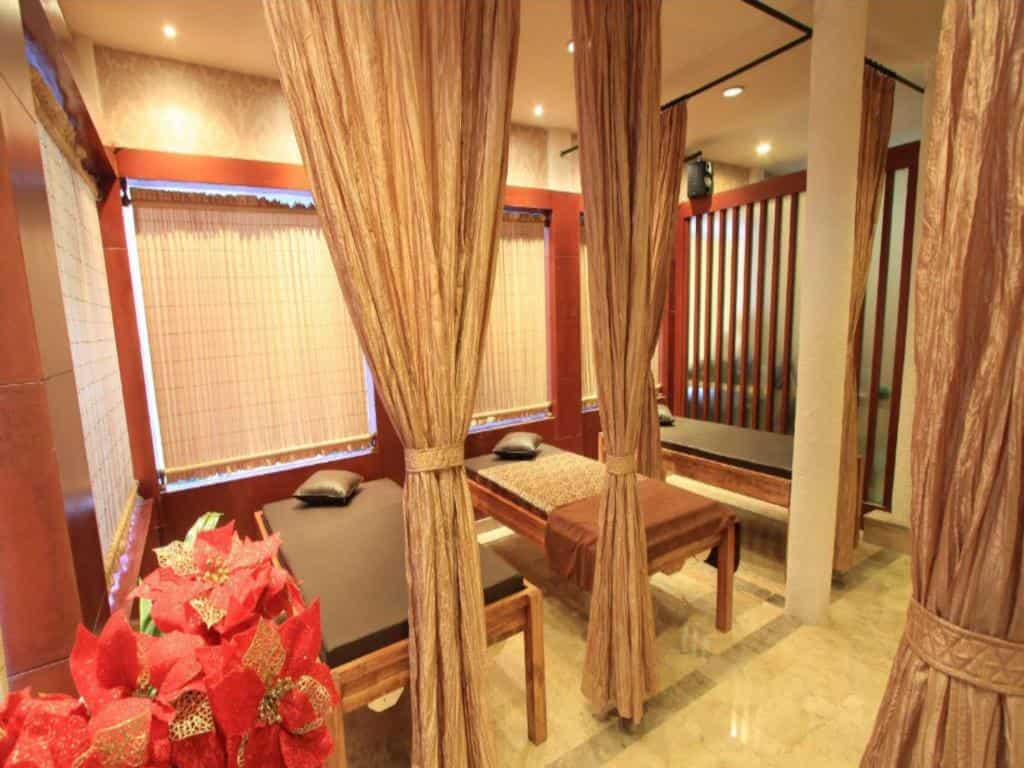
Beyond its historical allure, Hotel Salak operates as a full-service hospitality provider. The establishment offers a suite of facilities that cater to both leisure and corporate requirements. Guests have access to a fully equipped fitness center, a spa, a swimming pool, and recreational options such as billiards and karaoke. For professional events, the hotel’s 16 meeting rooms have hosted countless government summits, corporate conferences, and international gatherings.
The culinary offerings are equally robust, featuring a range of bars, restaurants, and coffee shops that provide both international cuisine and local Sundanese specialties. The service model emphasizes a 24-hour check-in policy, reflecting the hotel’s commitment to accessibility for domestic and international travelers. Furthermore, the hotel provides a shuttle service to and from major airports, ensuring that its strategic location in Bogor remains accessible despite the distance from Jakarta’s primary transit hubs.
Global Recognition and Diplomatic Utility
The stature of Hotel Salak extends beyond local tourism; it has been the site of significant diplomatic activity. One of the most notable recognitions of the hotel’s service excellence occurred in 2006, when the White House Communications Agency (WHCA) awarded the hotel a Certificate of Appreciation. This commendation was issued following the state visit of United States President George W. Bush to Indonesia.
The selection of Hotel Salak for such a high-profile security and diplomatic mission underscores the hotel’s reliability, security protocols, and operational capability. For a heritage property to satisfy the rigorous security and hospitality standards of a visiting U.S. presidential delegation suggests that the hotel’s management has successfully bridged the gap between historical preservation and the stringent demands of modern international diplomacy. This event solidified the hotel’s reputation as one of the most prestigious venues in West Java, often chosen for high-stakes government meetings and international forums.
Economic and Social Implications for Bogor
The presence of a landmark hotel like Hotel Salak provides substantial economic benefits to the Bogor region. As a major employer in the hospitality sector, it contributes significantly to the local economy. Moreover, by maintaining its historical character, the hotel acts as a catalyst for cultural tourism. Visitors who come for the historical experience are also likely to visit the neighboring Bogor Botanical Gardens and the Presidential Palace, thereby stimulating the local tourism ecosystem.
From a sociological perspective, the hotel serves as a bridge between generations. For many Indonesians, the hotel is a repository of collective memory, representing the various phases of the nation’s struggle and growth. Its survival through the Dutch colonial era, the Japanese occupation, and the post-independence period provides a tangible narrative of national resilience.
Future Outlook and Sustainability
As the hospitality industry evolves, Hotel Salak The Heritage faces the dual challenge of remaining competitive in a digital-first market while adhering to strict heritage conservation guidelines. The integration of modern booking platforms, such as Agoda, into its operational strategy has allowed the hotel to capture a global audience, with rates often starting at approximately Rp 509,171 per night. This pricing strategy positions the hotel as an accessible luxury option, attracting a diverse demographic ranging from history enthusiasts to business executives.
The ongoing challenge for the management will be to ensure that future renovations do not compromise the "Dutch-ness" of the property. The aesthetic value of the hotel is its primary competitive advantage in a market saturated with generic modern hotels. By focusing on the "Heritage" aspect of its branding, the hotel ensures that it remains an indispensable part of the Bogor skyline.
In conclusion, Hotel Salak The Heritage represents a unique convergence of history, architecture, and service. It is a structure that has successfully navigated the complexities of Indonesia’s colonial and post-colonial trajectory. By preserving its neoclassical design while upgrading its internal services to meet international standards, the hotel provides a comprehensive experience for the modern traveler. Whether it is hosting a global leader or a family on a weekend getaway, the hotel continues to serve as a cornerstone of Bogor’s cultural identity, ensuring that the stories of the past remain an active, living part of the city’s future. The facility serves as a reminder that history, when managed with care and foresight, can provide the foundation for a sustainable and thriving future in the modern hospitality sector.