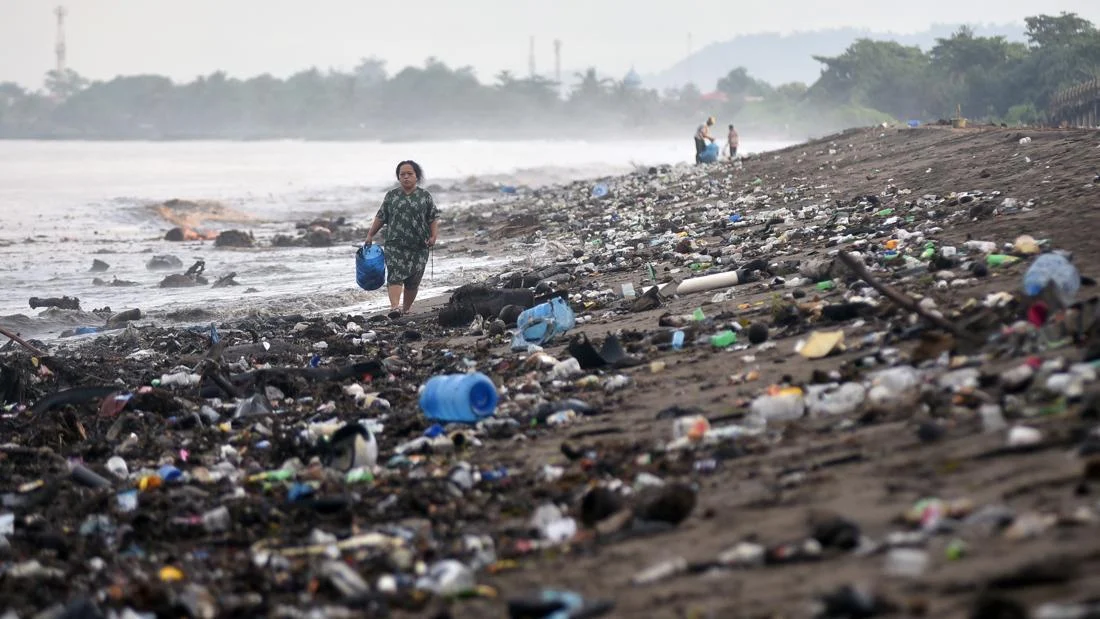
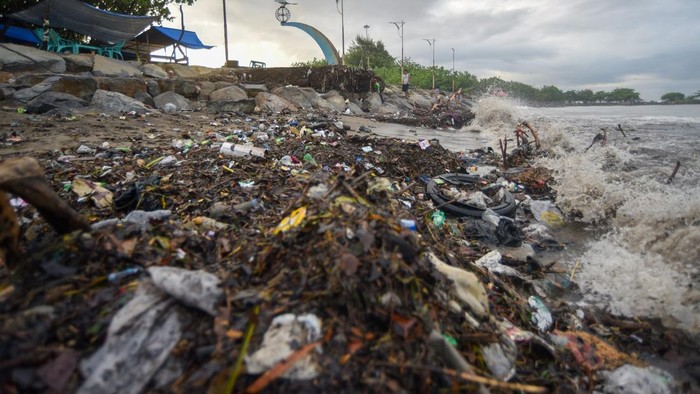
The pristine coastline of Pantai Muaro Lasak in Padang, West Sumatra, has been transformed into a stark landscape of debris following an intense meteorological event that struck the region early this week. On Tuesday, November 24, 2026, the local community witnessed the aftermath of torrential rainfall that occurred throughout Monday, November 23, 2026. The storm triggered the discharge of massive volumes of urban and riverine waste, which were carried by floodwaters and deposited directly onto the shoreline of one of the city’s most popular tourism destinations.
Chronology of the Environmental Incident
The accumulation of waste began in the late hours of Monday, following sustained, high-intensity precipitation that overwhelmed local drainage systems in Padang. As the city’s rivers surged, they acted as conduits for various types of refuse—ranging from plastic bottles and household packaging to organic debris—which were ultimately flushed into the Indian Ocean. As the tide receded, the debris remained stranded on the sands of Muaro Lasak.
By the early morning of Tuesday, November 24, the scale of the pollution became fully apparent. Local residents and scavengers arrived at the scene shortly after sunrise. Rather than viewing the environmental disaster solely as a blight on the tourism sector, many saw a labor opportunity. They began the arduous process of combing through the debris, identifying and collecting recyclable materials such as plastic, metal, and glass, which could be sold to local waste collectors or recycling centers.
The Economic Reality of Scavenging
For many residents of Padang, the aftermath of a flood is often synonymous with a temporary source of income. In a region where economic resilience is tested by natural disasters, the accumulation of waste on public beaches has become an informal circular economy.
"When the water recedes, it leaves behind more than just silt," noted a local observer. "For those living on the margins, a shoreline covered in plastic is not just a pollution problem; it is a catalog of recoverable assets."
However, this practice is not without risks. Scavengers often handle potentially hazardous materials, including broken glass, medical waste, or water-logged debris contaminated by sewage, without the benefit of personal protective equipment. The labor-intensive process of manual sorting remains a testament to the lack of automated, municipal-level waste management systems that could effectively intervene before such waste reaches the ocean.
Environmental Impact and Coastal Degradation
The incident at Muaro Lasak highlights a recurring struggle for coastal cities in Indonesia: the intersection of poor waste management infrastructure and the seasonal intensity of the monsoon. Padang, situated between the Bukit Barisan mountain range and the Indian Ocean, is geographically prone to flooding. The city’s rivers often become the primary disposal routes for residents lacking access to formal waste collection, leading to periodic "garbage floods" that destroy coastal ecosystems.
According to environmental experts, the accumulation of plastic waste on beaches like Muaro Lasak causes significant long-term harm to marine life. Plastics that are not collected by scavengers eventually fragment into microplastics, which enter the food chain, impacting local fisheries that are vital to the Sumatran economy. Furthermore, the aesthetic degradation of tourist beaches poses a direct threat to the local hospitality industry, which relies heavily on the cleanliness and appeal of the coastal scenery.
Municipal Response and Waste Management Challenges
While the Padang municipal government typically deploys cleaning crews following major storms, the sheer volume of debris deposited in a single event often outstrips the capacity of local sanitation departments. The municipal strategy often involves post-disaster manual labor mobilization, but critics argue that this is a reactive rather than a proactive measure.
The challenge in Padang—and many other Indonesian cities—is the lack of integrated waste management systems that prevent plastic from entering waterways in the first place. Urban planners have pointed to the need for "trash traps" or floating barriers at river mouths, as well as more robust community-based waste management programs that encourage households to segregate waste before it leaves their premises.
Broader Implications: A Pattern of Crisis
The situation in Muaro Lasak is not an isolated event. Climate projections for Southeast Asia suggest that rainfall intensity will continue to increase in the coming decades, leading to more frequent and severe flooding events. For coastal cities, this means that the frequency of such environmental incidents is likely to rise, requiring a fundamental shift in how urban centers manage their waste streams.
The reliance on scavengers for cleanup is a symptom of a systemic gap in government services. While their efforts are vital for recovery, they cannot be considered a long-term solution to the ecological crisis. Addressing the issue requires a multi-pronged approach:
- Infrastructure Investment: Expanding the coverage of municipal waste collection services to remote and low-income areas to discourage river dumping.
- Public Awareness Campaigns: Educating the public on the consequences of improper waste disposal, particularly in the context of the region’s high rainfall patterns.
- Policy Enforcement: Implementing stricter regulations and potential penalties for illegal dumping into river systems.
- Technological Integration: Utilizing smart sensors to monitor water levels and waste accumulation in real-time, allowing for a more rapid deployment of cleanup crews.
Socio-Economic Considerations
The scene at the beach, characterized by individuals picking through mountains of trash, serves as a poignant reminder of the social complexities surrounding environmental policy. Any effort to "clean" the beach must also consider the livelihoods of those who depend on this waste for their daily survival. Policies that restrict access to waste must be paired with programs that provide alternative employment or formalize the recycling industry, ensuring that those currently operating in the informal sector are not left behind.
As the cleanup efforts continue in the coming days, the citizens of Padang are left to grapple with the reality of their environment. The debris at Muaro Lasak is a physical manifestation of a broader, systemic challenge that requires political will, community engagement, and long-term financial investment. Until these structures are put in place, the cycle of heavy rain, flooding, and coastal pollution is likely to persist, leaving the beautiful shores of Sumatra vulnerable to the refuse of the city.
Conclusion: Looking Ahead
The events of November 24, 2026, serve as a critical case study for the region. As Padang continues to develop, the balance between economic growth and environmental stewardship becomes increasingly delicate. The image of the beach covered in plastic—a stark contrast to the natural beauty typically associated with the region—should serve as a catalyst for reform.
Local authorities and the public alike must transition from a cycle of reactive cleanup to a culture of prevention. The preservation of Pantai Muaro Lasak is not just about keeping a tourist site clean; it is about protecting the health of the community and the integrity of the marine ecosystem. Whether this event acts as a turning point in Padang’s waste management strategy remains to be seen, but the urgency of the situation is clear. The ocean has returned the city’s waste to its doorstep; the question now is how the city will choose to manage it in the future.