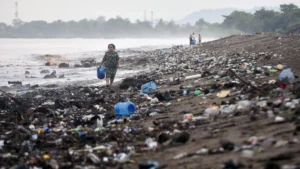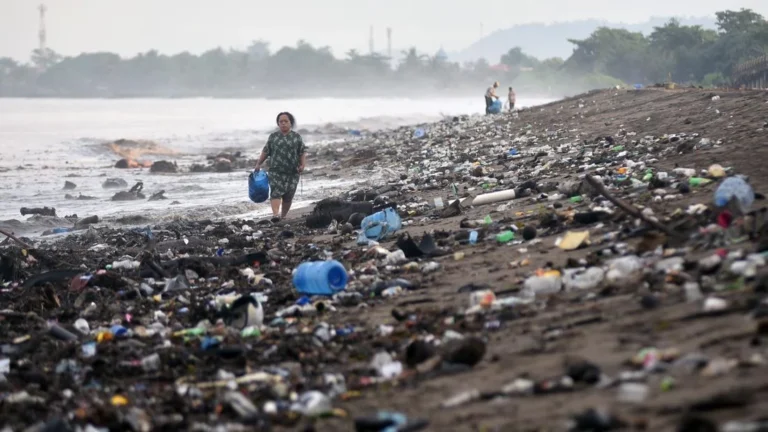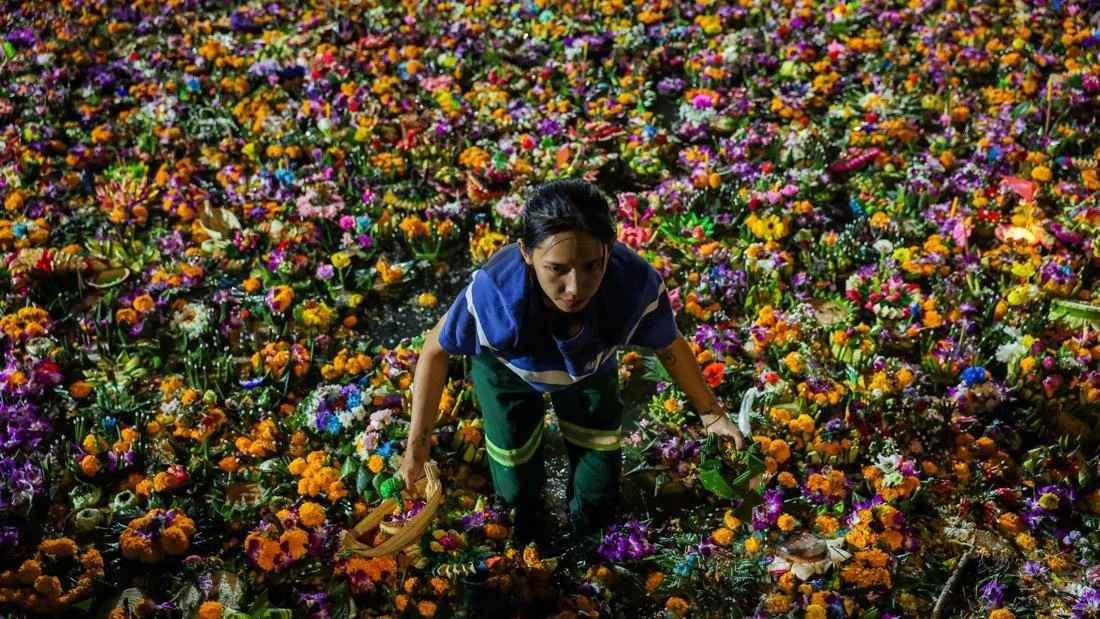
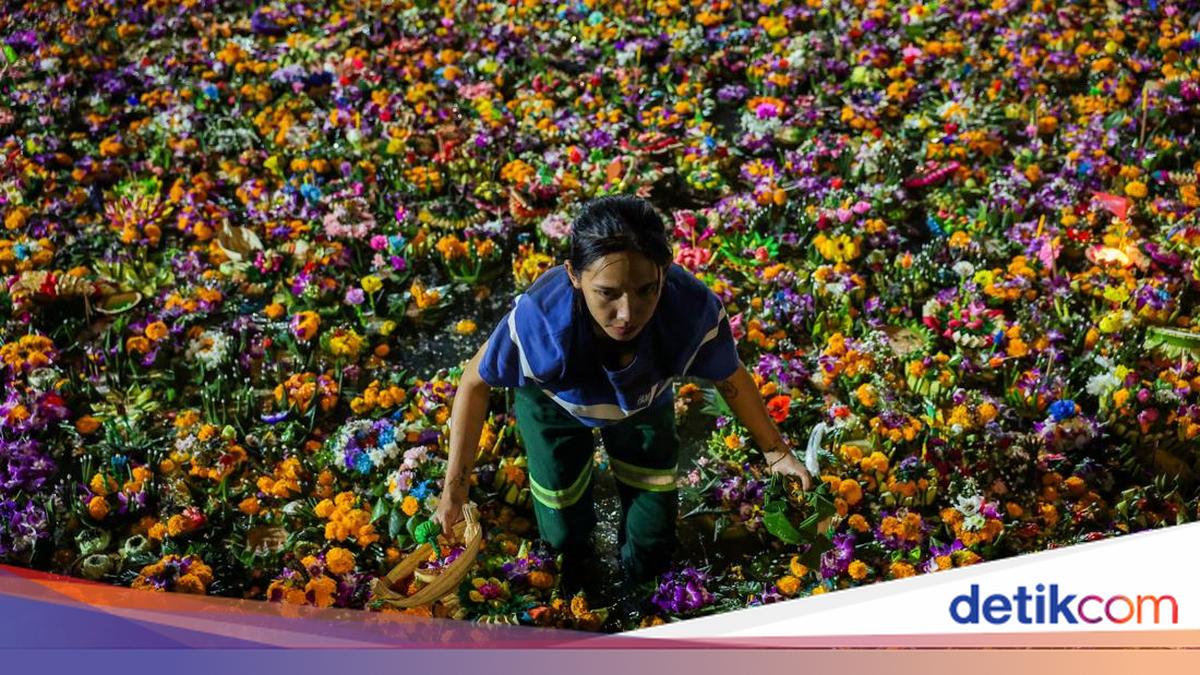
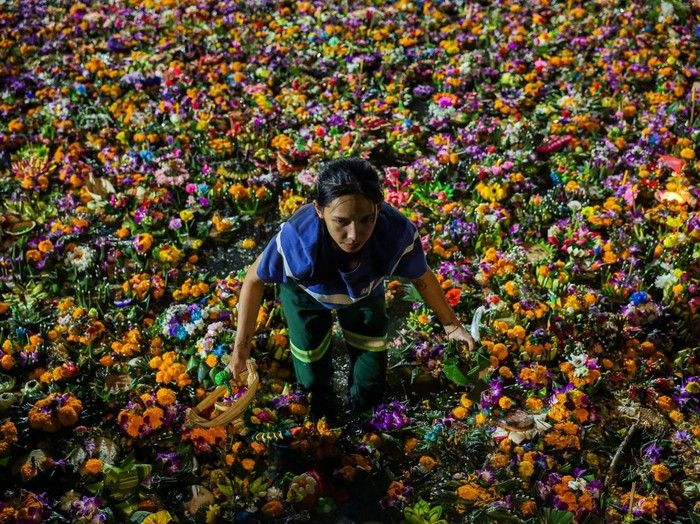
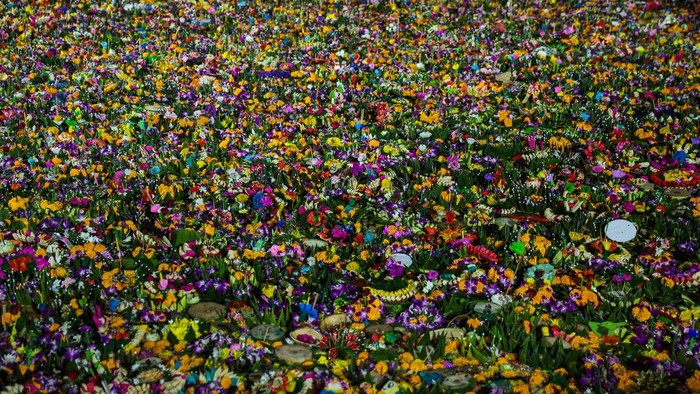
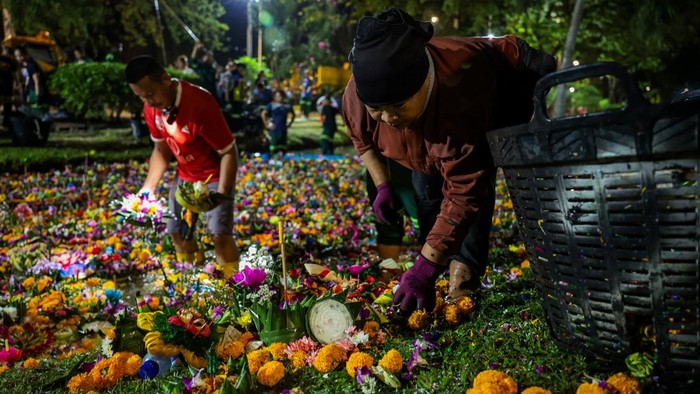
The conclusion of the Loy Krathong festival in Bangkok, Thailand, on November 25, 2026, has ushered in a massive logistical operation as municipal workers scrambled to clear thousands of traditional floating baskets, known as krathongs, from the city’s park lagoons and waterways. While the festival remains one of Thailand’s most visually stunning cultural exports, the aftermath presents an annual environmental challenge that tests the limits of the city’s sanitation infrastructure. As the full moon of the twelfth lunar month waned, the romantic glow of thousands of candles flickering on the water was replaced by the pragmatic reality of environmental stewardship, with workers navigating small boats to retrieve the debris before it could clog drainage systems or disrupt local aquatic ecosystems.
The Cultural Significance of Loy Krathong
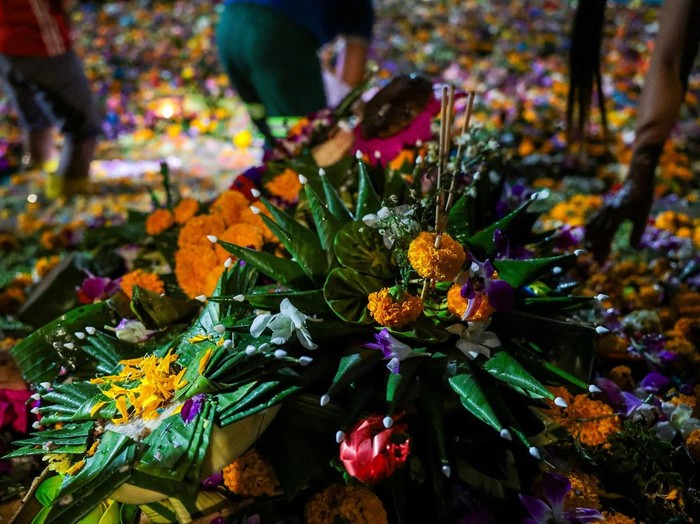
Loy Krathong, often referred to as the "Festival of Lights," is a deeply rooted tradition in Thai culture. The term "Loy" translates to "to float," and "Krathong" refers to the small, intricately decorated baskets, traditionally made from banana leaves, flowers, candles, and incense. Historically, the practice serves a dual purpose: it is a symbolic gesture of gratitude toward Phra Mae Khongkha, the goddess of the river, for the vital gift of water, and an act of spiritual cleansing where participants "float away" their misfortunes, anger, and negative karma.
The timing of the festival is intrinsically linked to the lunar calendar, usually occurring in November. For millions of Thai citizens and tourists alike, it is a night of communal prayer and reflection. However, the sheer scale of the participation—with millions of baskets released across the nation’s rivers, lakes, and canals—has necessitated a robust post-festival cleanup strategy by the Bangkok Metropolitan Administration (BMA).
Chronology of the Cleanup Operation
The cleanup effort began in the early hours of Wednesday, November 25, 2026, immediately following the peak of the festivities. By midnight on Tuesday, the waterways were choked with thousands of floating vessels. The BMA mobilized specialized environmental teams equipped with motorized and manual boats to systematically comb through the popular park lagoons, such as those at Lumpini Park and Benjakitti Park, which are central hubs for public celebration.
The operation followed a precise timeline. During the night, while the festivities were concluding, patrol teams monitored the water levels to ensure that the accumulation of baskets did not pose a fire risk to surrounding structures. By 05:00 local time, the primary collection phase commenced. Workers utilized long-handled nets and automated conveyers where possible to pull the baskets from the surface. By the afternoon of November 25, the majority of the surface-level debris had been cleared, with the waste then transported to central processing facilities for sorting and disposal.
Data and Environmental Impact
The environmental impact of Loy Krathong is a subject of ongoing debate among urban planners and environmentalists. According to BMA data from previous years, the total volume of waste collected after the festival can reach hundreds of tons in Bangkok alone. In 2025, for instance, the city reported the recovery of over 500,000 individual krathongs. Of these, a significant percentage were composed of biodegradable materials, such as bread or banana leaves, which are preferred by the government to minimize ecological harm.
However, the shift toward "eco-friendly" materials is not a complete solution. Bread-based baskets, while intended to be consumed by fish, can lead to rapid eutrophication in closed lagoon systems. When thousands of these baskets are released into a relatively small body of water within a short timeframe, the decomposition process consumes dissolved oxygen, which can lead to fish kills and foul odors. The rapid removal of these materials is therefore not merely an aesthetic choice but a necessary measure to maintain the biological health of urban water bodies.
Official Responses and Strategic Shifts
The Bangkok Metropolitan Administration has adopted a proactive approach to managing the post-festival waste. In the weeks leading up to the 2026 festival, the governor’s office launched public awareness campaigns, strongly encouraging residents to use single-unit, environmentally friendly krathongs rather than those made with non-biodegradable plastics or metal pins.
"Our goal is to preserve the beauty of our heritage while ensuring the sustainability of our city’s infrastructure," a representative from the BMA stated during a briefing on the recovery efforts. "We urge the public to recognize that every krathong placed in the water must eventually be removed by our staff. The fewer materials that are difficult to process, the more efficiently we can protect our waterways."
The administration has also introduced designated "collection zones" in major rivers, where floating booms are positioned to catch the baskets as they drift downstream, preventing them from scattering into the wider Gulf of Thailand. This strategic positioning has significantly reduced the time and labor required for the cleanup, though it remains a labor-intensive process.
Implications for Future Sustainability
The challenges posed by the 2026 Loy Krathong cleanup underscore a broader conversation regarding sustainable tourism and tradition in Southeast Asia. As Bangkok continues to grow as a global metropolis, the pressure on its drainage and canal systems—which are essential for flood management—is mounting.
Environmental experts suggest that the future of the festival may involve a shift toward virtual or symbolic celebrations, or the implementation of strict material regulations. While the tradition of the festival is sacred, the "floating" aspect is increasingly being viewed through the lens of modern urban environmentalism. Some districts have already begun experimenting with "community krathongs," where a single, larger vessel is released on behalf of an entire neighborhood, rather than each individual purchasing a separate basket.
Furthermore, the integration of waste-to-energy initiatives is being explored. The organic waste collected during the 2026 cleanup is currently being analyzed for its potential as a component for large-scale composting programs. If successful, this could turn the annual post-festival cleanup into a circular economy project, where the offerings to the river goddess are repurposed into fertilizer for the city’s public parks.
The Human Element: The Unsung Heroes of the Festival
Beyond the statistics and environmental reports, the cleanup effort is a testament to the dedication of the municipal sanitation workers. Working through the night and into the following day, these individuals are often the unsung heroes of Thai festivals. Their labor ensures that when the sun rises on the day after the full moon, the city’s parks are clean and ready for public use once again.
The work is physically demanding, requiring precision maneuvering of boats in often murky water and the heavy lifting of water-logged debris. The cooperation between the public, who are increasingly mindful of their waste, and the city workers, who manage the aftermath, is essential to the longevity of the festival.
Conclusion
As the cleanup of the 2026 Loy Krathong festival concludes, the city of Bangkok reflects on the delicate balance between maintaining ancient customs and managing a modern urban environment. The sight of workers laboring on the lagoons is a reminder that even the most beautiful traditions require care and responsibility. As the city looks toward future iterations of the festival, the focus remains on finding innovative ways to honor the goddess of the river without overburdening the very waters that the festival seeks to celebrate. The success of these efforts will likely serve as a model for other major cities in the region that struggle with the environmental consequences of large-scale public celebrations. For now, the waters of Bangkok have been restored to their usual state, waiting until the next cycle of the moon brings the cycle of celebration and stewardship once again.