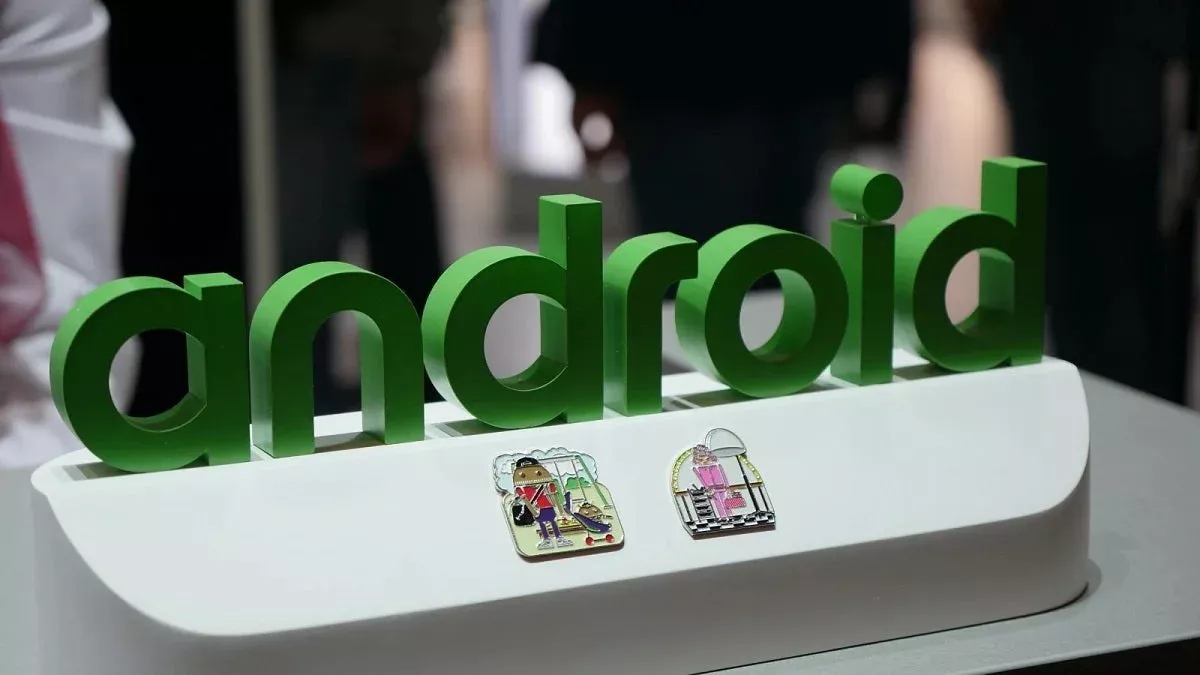
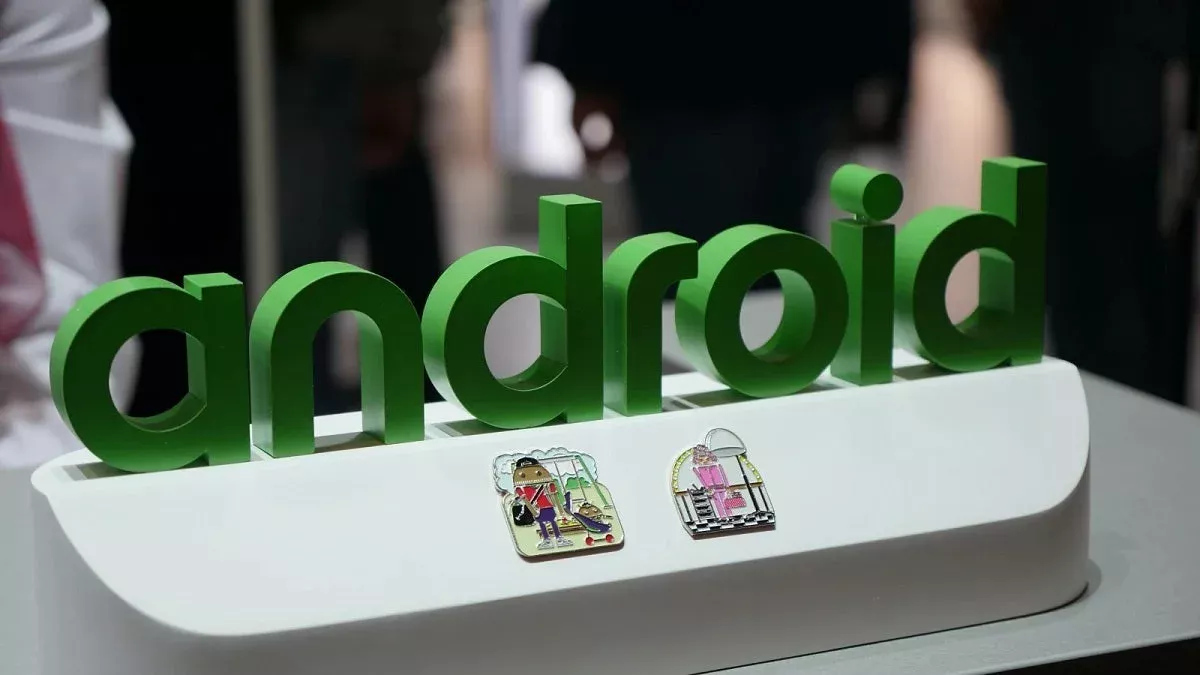
The global smartphone operating system landscape experienced a historic shift in the third quarter of 2026, as Android’s market share dropped to 74 percent, marking the lowest Q3 figure ever recorded for the platform. Fresh data released by market intelligence firm Counterpoint Research reveals that while Google’s ubiquitous mobile operating system still retains the lion’s share of the worldwide market, its dominance is facing unprecedented pressure. Concurrently, Apple’s proprietary iOS reached a record-breaking 21 percent market share for the third-quarter period, while Huawei’s homegrown HarmonyOS continued its steady ascent, capturing 5 percent of global sales and reinforcing its stronghold within mainland China.
This evolving distribution of operating system dominance unfolded against a challenging macroeconomic backdrop for the broader consumer electronics industry. During the July–September quarter of 2026, worldwide smartphone shipments contracted by 16 percent year-on-year (YoY). Industry analysts attribute this sharp downturn primarily to a severe and persistent global shortage of memory RAM components. This supply chain bottleneck severely limited inventory availability—particularly in high-volume, price-sensitive entry-level and mid-range segments—while forcing manufacturers across the board to adjust device pricing upward to offset surging production costs.
The Anatomy of Android’s Decline: Vulnerability in the Entry-Level Segment
To fully understand Android’s drop from 79 percent in the third quarter of 2025 down to 74 percent in Q3 2026—a notable five-percentage-point contraction—one must examine the structural nature of the Android ecosystem itself. Unlike closed ecosystems tied to a single hardware manufacturer, Android powers an expansive, highly diverse array of devices ranging from sub-$100 entry-level phones to $1,500 foldable flagships.
When global consumer purchasing power tightens and component shortages inflate retail costs, the budget and lower-mid-tier segments bear the heaviest brunt of the slowdown. Counterpoint Research notes that because Android manufacturers rely heavily on high-volume sales in these accessible price brackets to maintain aggregate market share, the widespread contraction in affordable device availability directly wounded the platform’s overall shipment volumes.
Despite these headwinds, major original equipment manufacturers (OEMs) within the Android ecosystem attempted to insulate themselves by focusing on high-margin flagship lines. Industry giants such as OPPO, vivo, and Xiaomi leaned heavily into their respective flagship portfolios to preserve revenue and brand prestige. Meanwhile, Samsung bolstered the Android standing through steady demand for its latest generation of foldable smartphones, though these premium units ultimately lacked the sheer volume required to fully offset losses incurred at the lower end of the market.
Apple’s iOS Achieves Historic Q3 Milestone on Strong Pro Series Performance
In sharp contrast to the broader market contraction, Apple demonstrated remarkable resilience and growth, steering iOS to a historic 21 percent market share for the third quarter of 2026—up from 17 percent during the same period in the previous year. This performance represents the highest Q3 market share Apple has ever captured since Counterpoint Research began tracking these metrics.
The upward trajectory was anchored by a 2-percent year-on-year increase in iPhone sales volume. Market analysts point out that the newly introduced iPhone 18 Pro series performed exceptionally well out of the gate, outpacing the commercial adoption rate of the preceding iPhone 17 Pro series during its comparative launch window.
Notably, Apple achieved this market share expansion while simultaneously implementing retail price increases across several models within its newest flagship lineup. The commercial success in the face of higher price tags underscores the robust brand loyalty and inelastic demand characteristics of Apple’s consumer base. Because iOS is exclusive to Apple hardware, every percentage point gained translates directly into hardware supremacy, allowing Cupertino to capture an expanded slice of a shrinking global pie.
HarmonyOS Expands Its Footprint, Driven by Domestic Dominance in China
Huawei’s proprietary operating system, HarmonyOS, also charted notable gains during the third quarter of 2026. On a global scale, HarmonyOS expanded its footprint to 5 percent of total smartphone sales, edging up one percentage point from 4 percent in Q3 2025.
However, looking at the global aggregate understates the operating system’s true regional impact, particularly within mainland China. In the world’s largest smartphone market, HarmonyOS captured a formidable 22 percent share in Q3 2026. While it still trails Android—which commands 60 percent of the Chinese market—HarmonyOS has successfully surpassed iOS, which secured an 18 percent share in the country during the same period.
This domestic strength aligns directly with Huawei’s hardware resurgence. Counterpoint data indicates that Huawei’s smartphone sales in China surged by 12 percent year-on-year during Q3 2026, defying a broader Chinese market contraction of 10 percent. Key device families, including the Huawei Enjoy 90 Pro Max, the Nova 16 series, and the high-end Mate 80 lineup, struck a chord with domestic consumers across diverse price tiers.
Despite these impressive growth metrics, industry analysts maintain a cautious outlook regarding the immediate future. Counterpoint Research has highlighted that recent price adjustments implemented across Huawei’s product portfolio in September 2026 could introduce consumer friction, potentially testing the momentum of HarmonyOS growth as the market transitions into the final quarter of the year.
Broader Implications and Analytical Outlook
The tectonic shifts observed in the third quarter of 2026 illustrate a maturing and increasingly stratified smartphone market. While Android remains the undisputed volume leader with 74 percent of global sales, the five-percentage-point year-on-year erosion signals that macroeconomic pressures do not impact all operating systems equally. Open ecosystems with heavy exposure to budget consumers face immediate vulnerabilities during component crises, whereas tightly controlled, premium-focused ecosystems like iOS can leverage brand equity to grow even during industry contractions.
Furthermore, the data underscores a vital methodological distinction frequently overlooked in casual market commentary: these figures represent active sales (sell-in/sell-through distributions of newly purchased devices during the quarter) rather than the total installed base of active smartphones currently in circulation. While sales data captures immediate consumer spending trends and manufacturer momentum, the installed base reflects a longer accumulation of legacy devices.
As the industry looks ahead to upcoming quarters, the trajectory of the global smartphone market will depend heavily on the stabilization of memory RAM supply chains and the resilience of consumer demand against persistent inflationary pressures. For Android OEMs, mastering cost efficiencies without compromising hardware appeal will be critical to reclaiming lost ground. For Apple and Huawei, maintaining pricing power while scaling production will dictate whether their recent market share gains represent a temporary high-water mark or the dawn of a permanent structural realignment in mobile operating systems.