The evolution of Indonesia’s hospitality industry is inextricably linked to the colonial legacy of the Dutch East Indies. Following the inauguration of the Suez Canal in 1869, which dramatically shortened the maritime distance between Europe and the East, the Indonesian archipelago saw a significant surge in visitors. Initially arriving for trade, European travelers—and eventually leisure tourists arriving on steamships—required high-quality accommodation that mirrored the standards of their home countries. This demand spurred the construction of grand hotels across Java and Bali, many of which have survived the passage of time, the turbulence of wars, and the transition into the modern republic, remaining operational as iconic landmarks today.
The Colonial Genesis of Indonesian Tourism
During the late 19th and early 20th centuries, the Dutch East Indies government, under the auspices of the Vereeniging Toeristenverkeer (Tourist Association), began actively promoting the archipelago as a travel destination. The infrastructure development was strategic; hotels were built in key transit hubs such as Batavia (Jakarta), Surabaya, Bandung, and Denpasar to serve the burgeoning elite class. These establishments were not merely places to stay; they were social epicenters that defined the architectural and cultural landscape of colonial Indonesia.
The transition from colonial rule to independence brought profound changes to these properties. Many were nationalized or repurposed, yet they retained their historical significance, often serving as the backdrop for pivotal political negotiations and diplomatic events. Today, these hotels stand as living museums, where the Art Deco aesthetics of the 1930s or the modernist visions of the 1960s continue to provide a sense of place and historical continuity.
Hotel Indonesia Kempinski: A Monument of Nation-Building
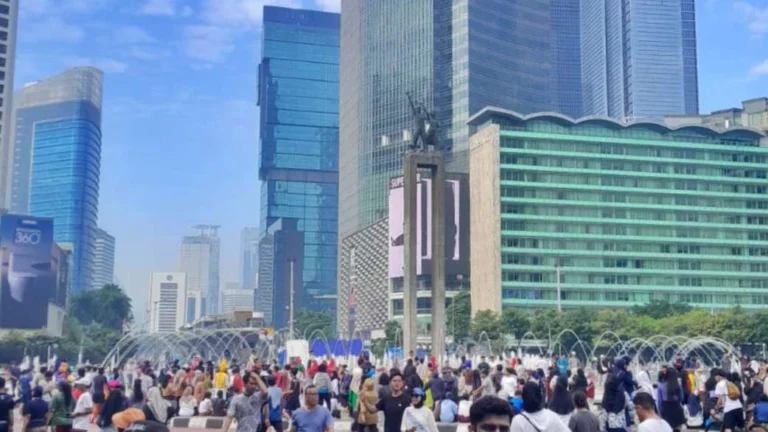
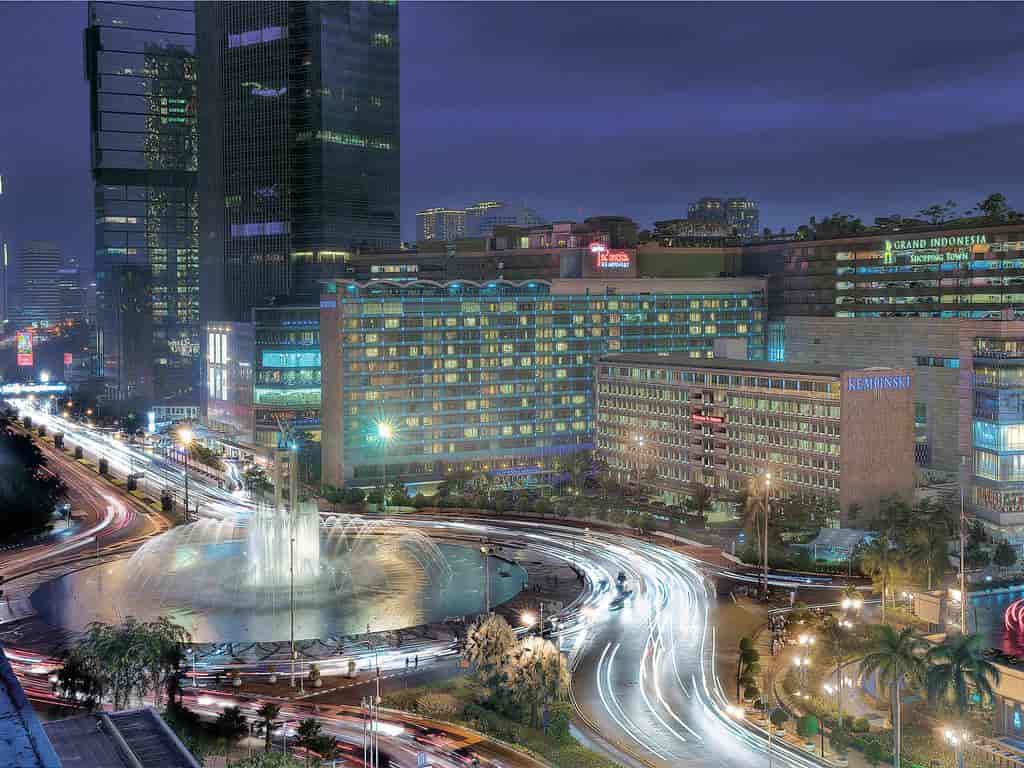
Located in the heart of Jakarta at the Bundaran HI roundabout, Hotel Indonesia Kempinski holds the distinction of being the first five-star hotel in the newly independent Indonesia. Commissioned by President Soekarno, the hotel was a symbol of national pride, designed to accommodate the influx of international guests for the 1962 Asian Games.
The history of the site is complex. The project was financed through war reparations from Japan, reflecting a post-war reconciliation effort that turned a dark chapter of occupation into a foundation for development. When it opened in 1962, it was the tallest building in the city, serving as a landmark for a modernizing Indonesia. In recent years, its historical weight has been reaffirmed by its role as the preferred residence for visiting heads of state. During the state visit of the Dutch King Willem-Alexander and Queen Máxima in 2020, the hotel provided high-security accommodations, including bulletproof suites, emphasizing its status as a nexus of contemporary diplomacy and historical memory.
Hotel Majapahit Surabaya: The Crucible of the Revolution
The Hotel Majapahit in Surabaya offers perhaps the most dramatic historical narrative of any hotel in Indonesia. Established in 1910 by the Sarkies Brothers—the famed Armenian hoteliers who also founded the Raffles in Singapore—it was originally known as the Hotel Oranje.
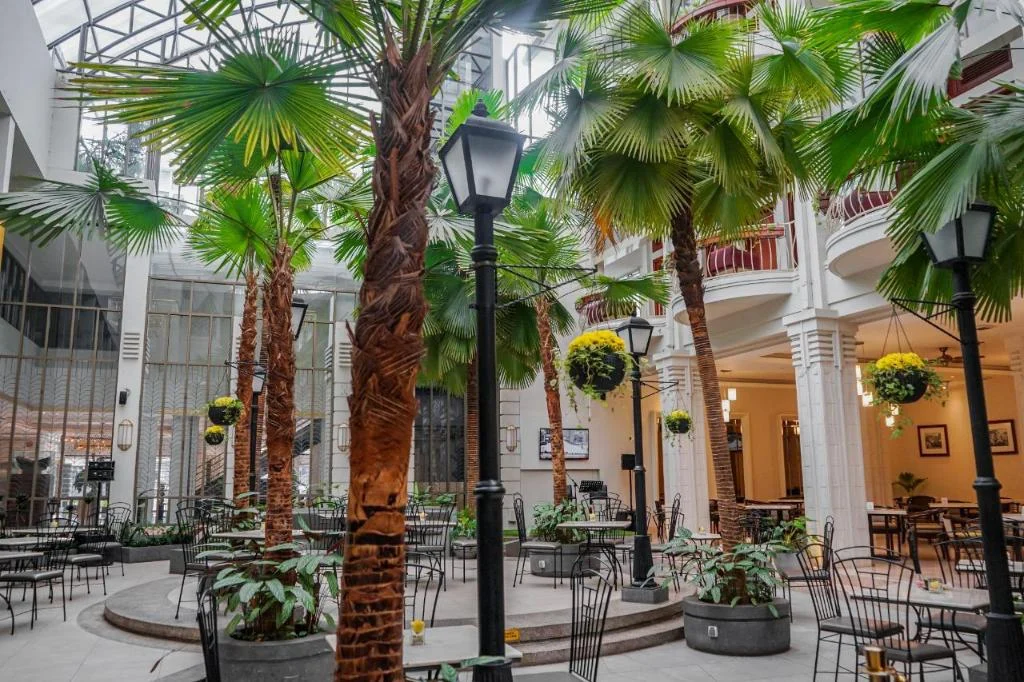
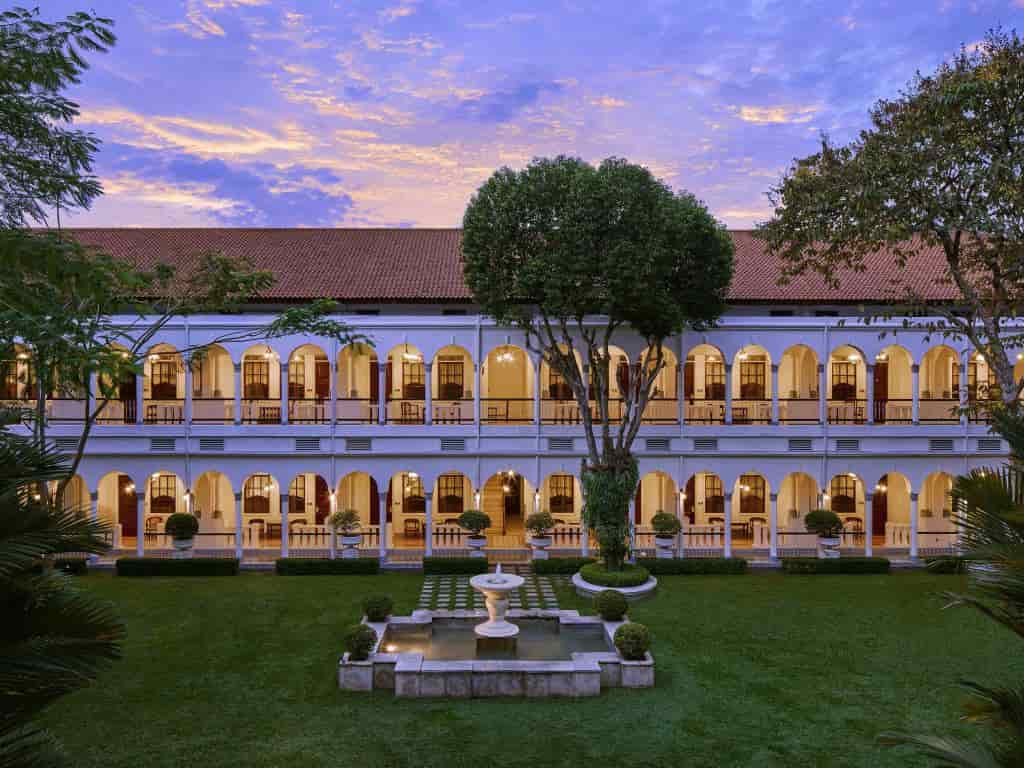
The hotel reached its historical zenith during the Battle of Surabaya in 1945. It was here that the famous "Hotel Yamato incident" occurred, where Indonesian revolutionaries climbed the roof to tear the blue strip off the Dutch tricolor flag, transforming it into the red-and-white Indonesian flag. This act of defiance became a defining moment in the Indonesian National Revolution. Today, the hotel preserves its colonial-era architecture, including the grand lobby and the lush courtyard gardens. Its longevity serves as a reminder of the shift from a site of colonial control to a site of nationalist assertion. The preservation of the property is not only a commercial venture but a commitment to maintaining a tangible connection to the struggle for independence.
Royal Ambarukmo Yogyakarta: A Royal Legacy
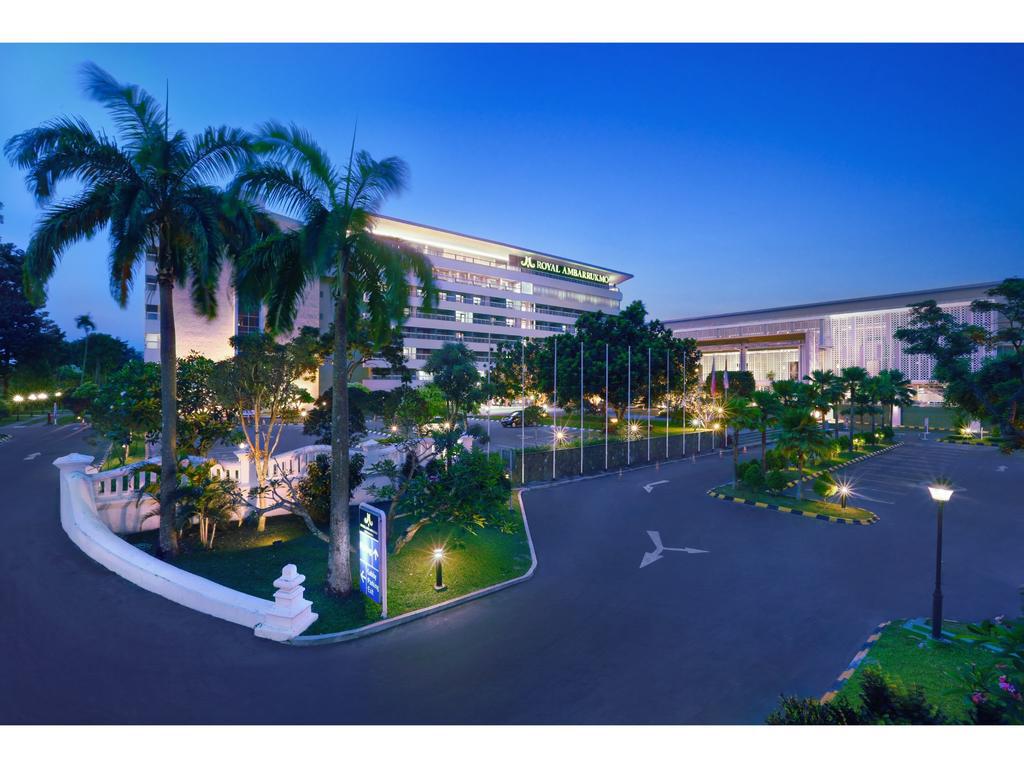
In the cultural heart of Yogyakarta, the Royal Ambarukmo occupies a unique position. Originally built by Sultan Hamengku Buwono V, the property was later transformed into a grand hotel that was part of President Soekarno’s ambitious post-independence plan to place Indonesia on the global tourism map.
By 1966, the hotel was designated as one of the four flagship international hotels of the country. Unlike many colonial hotels that were built by foreign entities, the Royal Ambarukmo reflects a blend of Javanese royal heritage and modern luxury. The integration of traditional architecture with modern facilities—such as golf courses and poolside lounges—was designed to offer international travelers a bridge between the traditional Javanese lifestyle and modern comfort. The preservation of this site is a testament to the endurance of the Sultanate’s influence in the modern Indonesian economy.
Hotel Savoy Homann: The Art Deco Icon of Bandung
Bandung, often referred to as the "Paris of Java," is home to the Hotel Savoy Homann, a masterpiece of Art Deco architecture. The hotel’s history dates back to the 19th century under the ownership of the Homann family, who became famous for their traditional rijsttafel (rice table) feasts.
However, the building that stands today, characterized by its signature "ocean wave" design, was the work of architect Albert Aalbers in 1939. The hotel gained international fame during the 1955 Asian-African Conference, where it served as the base for various world leaders and diplomats. The guest register of the Savoy Homann is a veritable "who’s who" of the 20th century, including the legendary Charlie Chaplin. The architectural preservation of the hotel has allowed it to remain a focal point on Jalan Asia-Afrika, maintaining the street’s historical identity as the site of one of the most important diplomatic summits in the history of the Global South.
Inna Bali Heritage Hotel: Pioneering Tourism in the Tropics
The Inna Bali Heritage Hotel, opened in 1927, holds the title of the first luxury accommodation on the island of Bali. During the early 20th century, Bali was beginning to gain a reputation as a paradise for travelers arriving via the steamships of the Koninklijke Paketvaart-Maatschappij (KPM).
The hotel’s establishment in Denpasar marked the beginning of Bali’s transformation into a world-renowned tourism destination. While it is now classified as a mid-range heritage property, its architecture reflects the colonial-tropical style, characterized by open spaces, verandas, and lush gardens. The hotel serves as a historical marker for the era when Bali began its transition from an agrarian society to a global tourism hub. It remains a critical site for understanding the early dynamics of tourism development in the archipelago and the subsequent cultural exchange that followed.
Analysis: The Economic and Cultural Implications of Heritage Preservation
The continued operation of these hotels presents a dual narrative. Economically, these properties provide high-value assets in the luxury and boutique travel sectors. Their historical branding allows them to command competitive rates, as travelers increasingly seek "authentic" experiences that go beyond the standardized luxury of modern chain hotels.
From a cultural standpoint, the maintenance of these hotels acts as a safeguard for architectural heritage. In many Indonesian cities, rapid urbanization has led to the demolition of historic structures; however, these hotels have largely been shielded by their economic viability. By repurposing these sites rather than razing them, the hospitality industry has inadvertently become a steward of national history.
However, the preservation of colonial-era structures is not without its challenges. The costs associated with retrofitting aging infrastructure to meet modern safety, environmental, and technological standards are significant. Many of these hotels rely on government-backed investment or international management contracts to survive. The tension between maintaining historical authenticity and meeting the expectations of a modern, tech-savvy tourist demographic requires a delicate balance of restoration and innovation.
Conclusion: A Legacy for Future Generations
The survival of these hotels is a reflection of Indonesia’s resilience and its ability to synthesize a complex colonial past with a modern, independent identity. Each property, from the bulletproof suites of the Hotel Indonesia Kempinski to the revolutionary history of the Hotel Majapahit, tells a story of transformation. As Indonesia continues to grow as a global travel destination, these historic hotels serve as vital anchors, reminding both domestic and international visitors that the nation’s contemporary charm is built upon a profound and enduring history. Whether through their architectural splendor or their proximity to the sites of political change, these establishments remain essential components of the Indonesian experience, ensuring that the legacy of the past remains relevant in the narrative of the future.