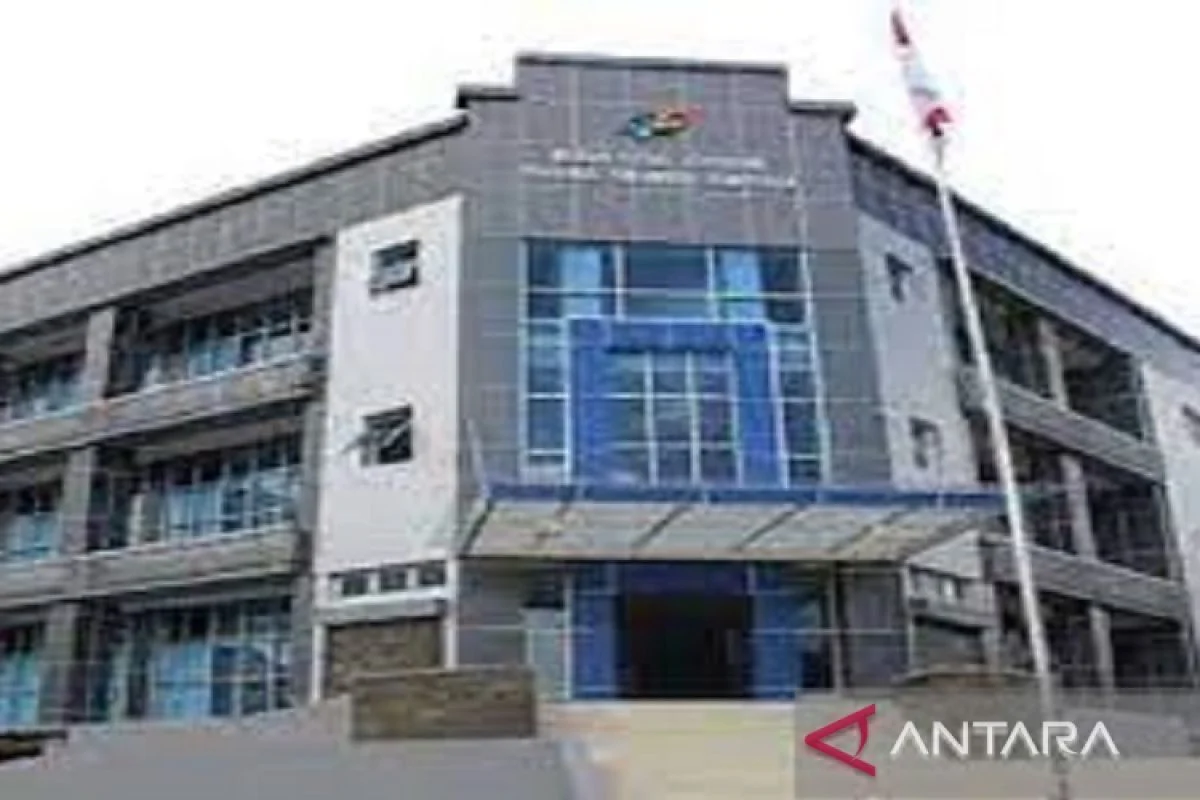
The administration of the Republic of Indonesia operates through a sophisticated architecture that extends far beyond the traditional framework of executive ministries. While ministries serve as the primary pillars of policy-making and political execution under the direct guidance of the President, a critical layer of the state apparatus is comprised of Non-Ministerial Government Agencies, known locally as Lembaga Pemerintah Nonkementerian (LPNK). These entities are tasked with specialized functions ranging from the archival of national history and the rigorous oversight of pharmaceutical safety to the advancement of national research and the proactive management of disaster mitigation. As of October 2026, these agencies represent the operational backbone of the state, ensuring that technical expertise is applied to the most granular aspects of public service.
Defining the LPNK Framework
At its core, the LPNK serves as an instrument of the state designed to handle highly technical or specialized sectors that require a degree of operational autonomy while remaining under the strategic umbrella of the government. Unlike a ministry, which is led by a cabinet member responsible for political policy, an LPNK is typically led by a head of agency who reports directly to the President, often coordinated through a relevant coordinating ministry.
Legally, these institutions are established via specific presidential regulations or legislative acts that delineate their authority, functions, and institutional status. It is a common misconception to categorize every government body operating outside of the cabinet as an LPNK. In reality, the Indonesian administrative landscape is a complex mosaic of LPNKs, independent state commissions, and regulatory bodies. The distinction is crucial: whereas LPNKs are integral to the executive branch’s administrative structure, other bodies may hold semi-independent status, such as state commissions that possess quasi-judicial powers or oversight mandates.
A Chronology of Institutional Evolution
The development of the Indonesian agency system has been an iterative process. In the post-reform era, particularly following the 1998 transition, the government recognized that the sheer breadth of governance required a decentralization of technical responsibilities. During the early 2000s, the state began to formalize several existing technical directorates into independent agencies to increase administrative efficiency.
By the 2010s, the focus shifted toward consolidation. The government sought to eliminate redundancy by merging agencies with overlapping mandates. A landmark moment in this evolution occurred in 2021 with the establishment of the National Research and Innovation Agency (BRIN), which absorbed the functions of several legacy institutions, including the Agency for the Assessment and Application of Technology (BPPT) and the Indonesian Institute of Sciences (LIPI). This move signaled a shift toward a more centralized, mission-oriented approach to scientific advancement, illustrating that the LPNK landscape is not static; it is subject to continuous refinement to meet the demands of a modern, digital-first economy.
The Scope of Responsibility: Supporting National Stability
The importance of these agencies cannot be overstated, as they touch the daily lives of citizens in ways that are often invisible until a crisis arises. Consider the following key domains:
- Public Safety and Regulatory Oversight: Agencies such as the National Agency of Drug and Food Control (BPOM) provide the essential regulatory scrutiny required to protect public health. Their role involves clinical trial monitoring, food safety standards, and the enforcement of pharmaceutical distribution laws, which are vital for maintaining public trust in the healthcare system.
- Strategic Data and Information: The Central Statistics Agency (BPS) provides the empirical foundation upon which the national budget and economic policies are built. Without reliable census data and inflation metrics, economic planning would be reduced to speculation.
- Disaster Mitigation and Climate Data: The Meteorology, Climatology, and Geophysics Agency (BMKG) serves as a critical lifeline for an archipelago prone to seismic and meteorological volatility. The agency’s investment in early-warning systems and satellite technology has directly contributed to the reduction of casualties during natural disasters over the last decade.
- National Archives and Historical Preservation: The National Archives of the Republic of Indonesia (ANRI) acts as the custodian of the nation’s institutional memory, ensuring that the legal and historical foundations of the state are preserved for future generations.
Economic and Administrative Implications
From an administrative perspective, the proliferation of specialized agencies has both benefits and drawbacks. On the positive side, agencies allow for the recruitment of high-level subject matter experts—scientists, statisticians, and engineers—who might not be attracted to a standard bureaucratic role within a ministry. This specialization leads to higher quality output and more effective service delivery.
Conversely, the fragmentation of agencies can lead to "siloing," where departments stop communicating, leading to overlapping jurisdictional battles. Recent policy initiatives, including the government’s commitment to bureaucratic reform, aim to break down these silos. Observers from policy research institutes (IPR) have noted that the ongoing effort to "streamline the bureaucracy" is essential for Indonesia to remain competitive globally. The goal is to move toward a "lean government" model, where agencies are empowered to act autonomously but are held accountable through digitized monitoring systems.
Official Stance and Future Outlook
The Indonesian government has repeatedly emphasized its commitment to improving the synergy between ministries and non-ministerial agencies. In 2026, the Office of the President underscored that the success of the National Development Plan relies on the seamless cooperation between the policy-setting ministries and the action-oriented agencies.
Officials have highlighted that the current focus is on "inter-agency interoperability." This refers to the ability of agencies like the National Police (Polri) and the National Commission on Violence Against Women (Komnas Perempuan) to work together on complex social issues, sharing data and investigative resources to protect vulnerable groups. The recent push for inter-agency collaboration is not merely an administrative preference; it is a necessity for effective governance in a country with over 270 million citizens.
Analyzing the Current Landscape
As of the current reporting period in 2026, the list of agencies recognized as LPNKs includes a diverse range of entities, such as the National Search and Rescue Agency (BASARNAS), the National Resilience Institute (Lemhannas), and the National Land Agency (BPN). While these names are familiar to the public, citizens and investors alike are encouraged to verify the current status of these bodies through the official government gazette.
The volatility of organizational names—frequently altered by executive orders to reflect new political priorities—means that stakeholders must exercise due diligence. What was an independent agency yesterday may be integrated into a ministry tomorrow, or vice versa. For instance, the transition of research functions under a unified national banner reflects a global trend of consolidating scientific funding to maximize the return on investment.
Conclusion
The Non-Ministerial Government Agencies of Indonesia represent the operational engine of the state. By delegating specialized tasks to entities that can operate with focus and expertise, the government ensures that essential services are provided with precision. However, the effectiveness of this system depends on constant vigilance, institutional flexibility, and a commitment to transparency. As Indonesia continues to navigate the complexities of the 21st century, the role of these agencies will remain central to the nation’s capacity to govern effectively, manage crises, and foster sustained economic growth. Future developments will likely focus on further digitizing the interaction between these agencies and the public, reducing the bureaucratic burden and ensuring that the state remains a nimble and responsive entity for all its citizens.