Socio Today
Depok, Indonesia – The City of Depok is poised to usher in a new era of urban mobility as its government announces plans to integrate electric vehicles (EVs) into its public transportation network. The Department of Transportation of Depok City is actively preparing a fleet of electric cars that will serve as the city’s angkot, or public minivans, signaling a significant commitment to environmental sustainability and enhanced passenger experience. This ambitious initiative, set to transform the familiar sight of Depok’s angkot, aims to foster a greener, cleaner, and more accessible transportation system for its growing population.
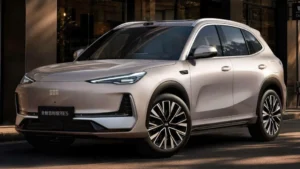
The cornerstone of this transformation will be the Wuling Mitra EV, a commercially oriented electric vehicle that is currently undergoing customization at a carrosserie to be transformed into Depok’s next generation of angkot. This strategic shift away from traditional internal combustion engine vehicles represents a proactive step by the Depok municipal government to align with national and global efforts to combat air pollution and reduce carbon emissions. The move also reflects a broader trend in Indonesia, where the government has been actively promoting the adoption of EVs through various incentives and policies, recognizing their potential to revolutionize the country’s energy landscape and mitigate environmental challenges.
A Vision for a Greener Depok
Aan Syurahman, the Acting Head of the Department of Transportation of Depok City, elaborated on the significance of this transition. "We are currently conducting several checks with the Wuling Mitra EV, focusing on its large capacity. We hope that in the future, it will be more comfortable for the public to use," he stated, as quoted from the official Instagram account of the Depok City Department of Transportation. Syurahman further emphasized that this new fleet represents a tangible replacement for existing angkot models, specifically mentioning the "D10A" designation, indicating a phased rollout and modernization plan.
The introduction of the EV-based angkot fleet is intrinsically linked to the city’s "Go Green" concept. This overarching strategy aims to champion environmentally friendly transportation solutions that contribute to a pollution-free urban environment. Depok, a bustling city within the Greater Jakarta metropolitan area, faces the perpetual challenge of managing traffic congestion and its associated environmental impact. By embracing electric vehicles for public transport, the city is taking a decisive step towards mitigating these issues and creating a more sustainable urban ecosystem.
Beyond Green: Inclusivity and Affordability
The vision for Depok’s electric angkot extends far beyond environmental benefits. The new vehicles are being designed with a strong emphasis on inclusivity and user-friendliness. This includes the provision of special facilities for individuals with disabilities, ensuring that public transportation is accessible to all segments of the community. Additionally, priority seating will be allocated for pregnant women, further enhancing the comfort and convenience of passengers.
Perhaps one of the most compelling aspects of this initiative, as highlighted by the official Instagram account of the Depok City Department of Transportation, is the projected affordability of the operational costs. While specific fare structures are yet to be finalized, the underlying assumption is that the lower running costs associated with electric vehicles, particularly in terms of energy consumption and reduced maintenance compared to traditional engines, will translate into more affordable fares for commuters. This aspect is crucial for ensuring the widespread adoption and success of the new angkot system, as public transportation must remain an economically viable option for the majority of the population.
The Wuling Mitra EV: A Technological Foundation
The Wuling Mitra EV, chosen as the platform for Depok’s electric angkot, is a commercially focused electric vehicle that offers a blend of practicality and modern technology. Its commercial nature makes it a suitable candidate for public transportation roles, designed to withstand the rigors of daily use. The model available for the minibus configuration starts at a price point of approximately Rp 348 million.
In terms of dimensions, the Wuling Mitra EV is substantial, measuring 5,010 mm in length, 1,800 mm in width, and 1,975 mm in height, with a wheelbase of 3,050 mm. These dimensions suggest a vehicle that can comfortably accommodate a significant number of passengers, a critical requirement for an angkot.
The powertrain of the Wuling Mitra EV is driven by a Lithium Iron Phosphate (LFP) battery, a common choice for EVs due to its safety and longevity. Two battery capacity options are available for the minibus models: a 41.9 kWh battery for the Long Range variant and a larger 56.2 kWh battery for the Premium Range variant.
Range and Charging Capabilities
The range offered by these battery capacities is a significant factor in the practicality of an electric public transport system. The 41.9 kWh battery is capable of covering a distance of up to 300 km on a full charge, while the 56.2 kWh battery extends this range to an impressive 400 km. These figures suggest that the vehicles will be able to operate for extended periods throughout the day without the need for frequent charging, a crucial consideration for an efficient public transport network.
Furthermore, the Wuling Mitra EV supports fast charging capabilities using the CCS2 charging standard. This technology allows for rapid replenishment of the battery, with the vehicle able to charge from 30% to 80% capacity in just 30 minutes. This fast-charging capability will be instrumental in minimizing downtime for the angkot fleet, ensuring continuous service availability for commuters.
Performance and Driving Modes
The electric motor powering the Wuling Mitra EV for Depok’s angkot is rated at 75 kW, delivering a maximum torque of 180 Nm. This power is channeled to the rear wheels, providing adequate propulsion for urban driving conditions. The vehicle also offers multiple driving modes, including Eco, Normal, and Sport, allowing operators to optimize performance and energy consumption based on operational needs and traffic conditions. With a top speed of 115 km/h, the Mitra EV is well-equipped to handle the demands of urban and semi-urban routes within Depok.
Background and Context: Depok’s Transportation Landscape
Depok, with its rapidly expanding population and its role as a satellite city for Jakarta, has long grappled with the complexities of urban transportation. The existing angkot system, while providing an essential service, has often been criticized for its environmental impact, noise pollution, and inconsistent service quality. The introduction of electric vehicles represents a deliberate effort by the Depok government to address these long-standing issues and modernize its public transport infrastructure.
The national government’s push towards electric vehicles has been a significant catalyst for such local initiatives. Indonesia has set ambitious targets for EV adoption, aiming to reduce its reliance on fossil fuels and curb greenhouse gas emissions. Policies such as tax incentives for EV manufacturers and buyers, as well as investments in charging infrastructure, are designed to accelerate this transition. Depok’s adoption of electric angkot aligns perfectly with these national aspirations.
Timeline and Implementation
While the article does not provide a precise timeline for the full deployment of the electric angkot fleet, the statement from the Acting Head of the Department of Transportation, mentioning ongoing "checks" and preparations at the carrosserie, suggests that the project is in its active implementation phase. The phased rollout, indicated by the mention of replacing the "D10A" models, implies a gradual integration of the new electric vehicles, allowing for operational adjustments and public familiarization. It is plausible that initial routes will be piloted to gather data and refine operational strategies before a wider expansion.
Broader Implications and Analysis
The move by Depok to adopt electric angkot carries significant implications for the city and potentially for other Indonesian municipalities.
- Environmental Impact: A successful transition to electric angkot will directly contribute to reducing air pollution and noise levels within Depok. This can lead to improved public health outcomes and a more pleasant urban environment. The reduction in carbon emissions from a substantial portion of the city’s public transport fleet will also contribute to Indonesia’s climate change mitigation goals.
- Economic Benefits: While the initial investment in electric vehicles may be higher, the long-term operational savings from lower energy costs and reduced maintenance could translate into more affordable public transport for citizens and a more sustainable business model for angkot operators. The potential for job creation in the maintenance and charging infrastructure sectors is also a positive economic externality.
- Technological Advancement: This initiative serves as a practical demonstration of EV technology in a demanding urban public transport context. The data collected from the operation of the Wuling Mitra EV fleet will be invaluable for future planning and for informing other cities looking to adopt similar strategies.
- Public Perception and Adoption: The success of this program will largely depend on public acceptance. Factors such as passenger comfort, reliability of service, and the affordability of fares will be critical. The emphasis on inclusive design and priority seating aims to address some of these concerns proactively.
Challenges and Future Outlook
Despite the promising outlook, several challenges may arise during the implementation phase. The availability and accessibility of charging infrastructure across the city will be paramount. Ensuring that charging points are strategically located and sufficient in number will be crucial for maintaining operational efficiency. Furthermore, the training of drivers on the specific operational aspects of electric vehicles, including energy management and charging protocols, will be essential.
The partnership with Wuling, a prominent automotive manufacturer with a growing presence in Indonesia, provides a strong foundation for this initiative. As the project progresses, continued collaboration between the city government, the transportation department, Wuling, and potentially other stakeholders will be vital for addressing any unforeseen issues and ensuring the long-term success of Depok’s electric angkot revolution. This pioneering move by Depok City is not just about replacing old vehicles; it is about reimagining urban mobility for a sustainable and inclusive future.