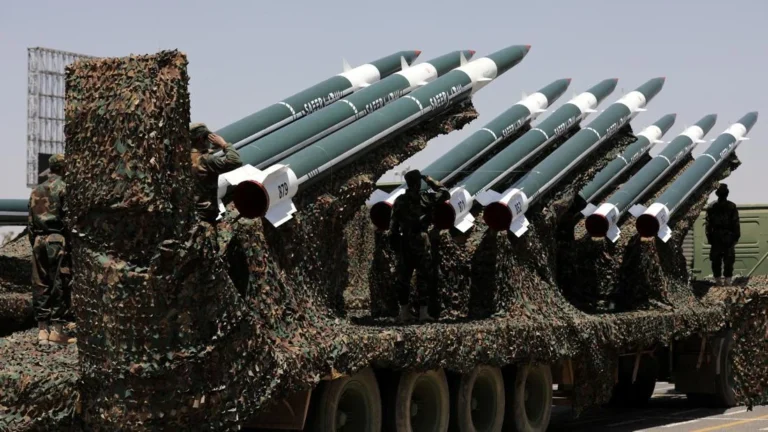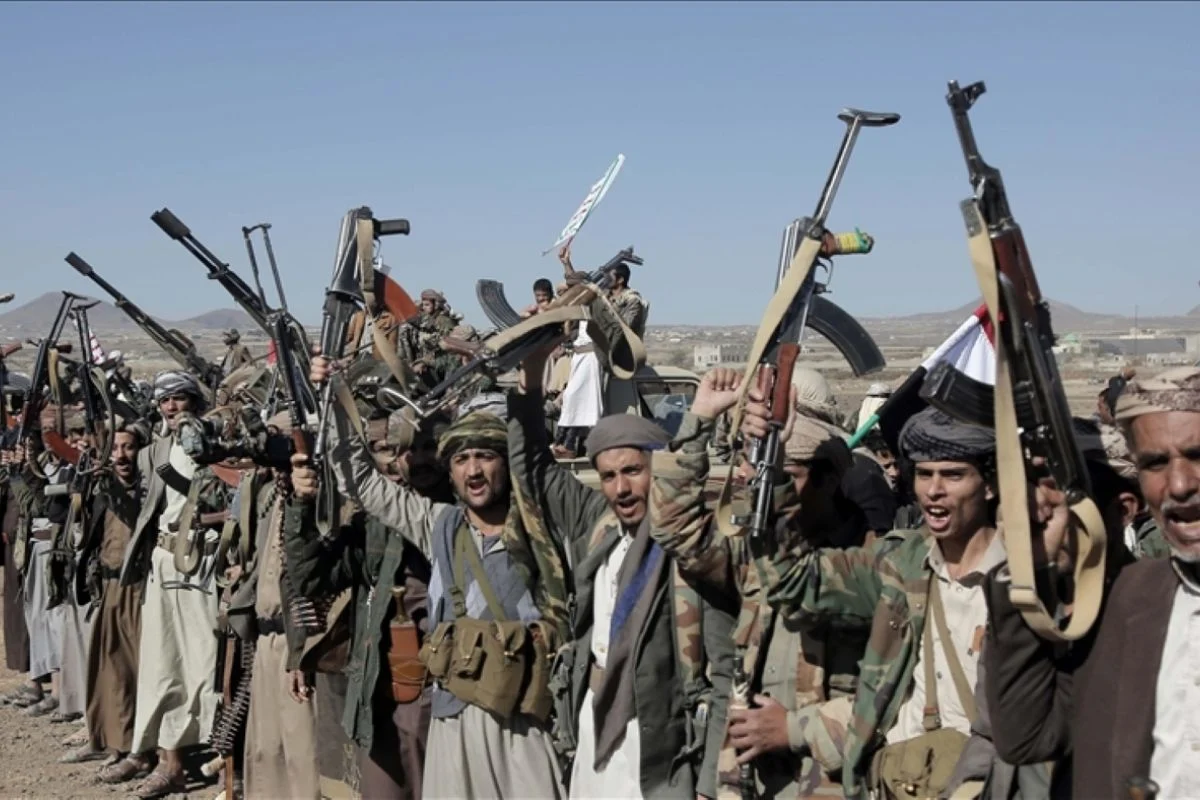
The security landscape of the Middle East has entered a precarious new phase following a coordinated series of aerial attacks by Houthi forces targeting critical infrastructure within the Kingdom of Saudi Arabia. Commencing on October 10, 2026, the onslaught—utilizing a sophisticated blend of long-range ballistic missiles and explosive-laden unmanned aerial vehicles (UAVs)—struck the heart of the Saudi capital, Riyadh. The primary objective, King Khalid International Airport, sustained direct hits, leading to a tragic loss of life, mass casualties, and a paralyzing disruption to international air travel.
As of October 13, 2026, the death toll from the sustained campaign has reached 18 individuals, with over 300 others sustaining injuries of varying severity. This escalation represents the most aggressive display of force by the Houthi movement—formally known as Ansar Allah—against Saudi targets in recent years, signaling a dramatic departure from the sporadic engagements that have characterized the border skirmishes of the preceding months.
A Chronology of the October Offensive
The escalation began on the morning of October 10, when radar systems in Riyadh failed to intercept several incoming projectiles. The initial strike on King Khalid International Airport resulted in 13 immediate fatalities and left hundreds injured, creating scenes of chaos within the terminal buildings. Despite heightened security alerts, the Houthi forces maintained their momentum, launching a secondary wave of attacks on October 11.
These subsequent strikes further compounded the human cost and forced a total reassessment of Saudi Arabia’s air defense capabilities. By October 12, the Saudi authorities, under immense public pressure, resumed the issuance of public warnings—a protocol that had been suspended for several days prior. Throughout this period, the Houthis have claimed responsibility for the targeting of both King Khalid International Airport in Riyadh and the King Fahd International Airport in Dammam, as well as several industrial installations associated with Saudi Aramco.
Understanding the Houthi Movement: Origins and Ideology
The Houthi movement, or Ansar Allah, emerged in the late 1990s as a revivalist religious movement among the Zaydi Shia population in the mountainous northern regions of Yemen. Named after the influential al-Houthi family, the group initially focused on cultural and religious preservation in the face of perceived marginalization by the central government in Sanaa.
Over the span of two decades, the movement evolved into a potent military entity. The vacuum created by the 2011 Arab Spring uprisings allowed the group to consolidate power, eventually capturing the capital city of Sanaa in 2014. This takeover effectively ousted the internationally recognized government of Abdu Rabbu Mansour Hadi, triggering a regional conflict that transformed Yemen into a proxy theater for wider geopolitical rivalries. The Houthis maintain a strategic alliance with the Islamic Republic of Iran, which provides technical support, training, and weaponry. However, analysts caution against viewing the Houthis merely as a proxy; the movement operates with its own domestic agenda, prioritizing local territorial control and the establishment of a Zaydi-aligned governance structure.
The Roots of the Saudi-Yemen Conflict
The current hostilities are deeply rooted in the post-2011 political collapse of Yemen. When President Ali Abdullah Saleh transitioned power to his deputy, Abdu Rabbu Mansour Hadi, the lack of structural reform and the subsequent exclusion of Houthi stakeholders from the political process led to a violent fragmentation of the state.
In March 2015, fearing the establishment of a pro-Iranian foothold on its southern border, Saudi Arabia formed a military coalition to restore the Hadi government. The ensuing decade of war has been marked by a humanitarian crisis of historic proportions. Millions of Yemenis have been displaced, and the country has faced widespread famine and the near-total collapse of its healthcare infrastructure. The Houthi response—consistently targeting Saudi territory—has been a strategic choice designed to impose a "cost of war" on the Kingdom, hoping to force a diplomatic concession or an end to the coalition’s air campaign.
Tactical Motivations and Strategic Objectives
The recent surge in violence is not without tactical logic from the Houthi perspective. Several key drivers explain the intensity of the October 2026 attacks:
1. Retaliation for Coalition Gains
Houthi spokespeople have explicitly linked these strikes to a recent uptick in Saudi-led coalition operations in the Red Sea coastal regions. Reports indicate that coalition forces recently intensified efforts to reclaim strategic territory, including islands near the Hodeidah governorate. The Houthi leadership frames their missile campaign as a direct retaliatory response to these military advancements.
2. Economic and Security Pressure
By targeting major transit hubs like Riyadh and Dammam, the Houthis aim to demonstrate that the Saudi interior is vulnerable. This strategy is intended to inflate the cost of security for the Kingdom and induce economic anxiety among international investors and global partners, thereby increasing pressure on the Saudi leadership to seek a ceasefire.
3. Exploitation of Geopolitical Chokepoints
Yemen’s geography remains its greatest strategic asset. Situated along the Bab el-Mandeb Strait—a vital artery for global energy and commodity shipments—the Houthis have leveraged their position to influence regional stability. By threatening the stability of the Saudi maritime and aerial borders, they ensure their role as a necessary participant in any future regional security architecture.
Official Responses and International Repercussions
The international community has reacted with significant alarm to the attacks. The United Nations has once again called for an immediate cessation of hostilities and a return to inclusive political dialogue. Regional powers, including Egypt, have issued statements of solidarity with the Saudi government, reaffirming their commitment to the kingdom’s sovereignty.
In the United States, the administration of President Donald Trump has acknowledged the severity of the situation. While the White House has publicly considered providing additional military assistance or participating more directly in the coalition’s efforts, no formal decision regarding a kinetic intervention has been announced. The White House continues to emphasize a preference for a negotiated settlement while simultaneously condemning the Houthi aggression as an unacceptable threat to regional peace.
The aviation industry has faced immediate disruptions. Qatar Airways, among other carriers, has suspended flights to Riyadh and Dammam, citing safety concerns for passengers and crew. This development highlights the fragility of regional connectivity when infrastructure becomes a target of conventional warfare.
Fact-Based Implications for the Region
The events of October 2026 present several critical implications for the future of the Middle East:
- Failure of Defensive Deterrence: The ability of the Houthi to strike deep into Saudi territory has forced a critical review of the Kingdom’s multi-billion dollar air defense systems. The failure to intercept the October 10 projectiles has raised questions about the technological efficacy of existing defenses against low-altitude, swarm-drone, and cruise missile tactics.
- Expansion of the Conflict Zone: There is a growing consensus among security analysts that the conflict is no longer confined to the Yemeni border. The inclusion of major international airports suggests a tactical shift toward high-profile, civilian-impact targets, which inherently complicates diplomatic efforts.
- The Iran Variable: While the Houthis possess a domestic agenda, their reliance on Iranian-supplied technology remains a central point of contention. Any significant escalation in their capabilities will inevitably result in increased pressure on Tehran, further straining the already fragile diplomatic channels between Riyadh and its regional rivals.
- Humanitarian Concerns: As the cycle of retaliation continues, the primary victims remain the civilian populations of both Yemen and Saudi Arabia. The risk of collateral damage is at its highest point in years, with the potential for a catastrophic humanitarian spillover if the fighting does not abate.
As of the latest reports, the situation on the ground remains highly volatile. Both sides continue to trade accusations, with the Houthis warning of further strikes should the coalition’s air campaign persist. For the international community, the challenge lies in de-escalating a conflict that has become increasingly defined by its unpredictability and its potential to engulf the broader regional economy. The coming weeks will be decisive in determining whether a diplomatic window can be reopened or if the conflict will spiral into a wider, more entrenched war.