Socio Today
Bali remains the undisputed crown jewel of Indonesian tourism, consistently attracting millions of visitors who seek to harmonize the island’s unique cultural tapestry with its diverse geographical wonders. While the coastal regions of Seminyak, Canggu, and Uluwatu have historically dominated the tourism landscape, a significant shift in traveler behavior has emerged over the last five years. There is an increasing demand for "high-altitude tourism," where visitors prioritize cool climates, volcanic vistas, and the serene quietude of the central highlands over the traditional beach club experience.
This trend is most visible in the Kintamani region, specifically along the rim of the Mount Batur caldera. Once a transit point for hikers aiming to summit the volcano, this area has transformed into a sophisticated hub of modern cafe culture. The proliferation of coffee establishments in this region is not merely an aesthetic choice; it represents a fundamental change in how the Balinese tourism sector is leveraging its natural assets to offer year-round, weather-resilient travel experiences.
The Rise of Kintamani as a Coffee Destination
The rapid development of the Kintamani coffee scene can be traced back to late 2019, when a series of architectural design shifts began to prioritize the "unobstructed view." Before this period, cafes in the area were largely traditional warungs designed for sustenance. The introduction of modern, glass-fronted, and open-air industrial designs has since allowed visitors to experience the region’s volatile yet beautiful microclimate—which often sees temperatures dip to a crisp 17-18 degrees Celsius—without losing sight of the majestic Mount Batur and the surrounding peaks of Mount Abang and Mount Agung.
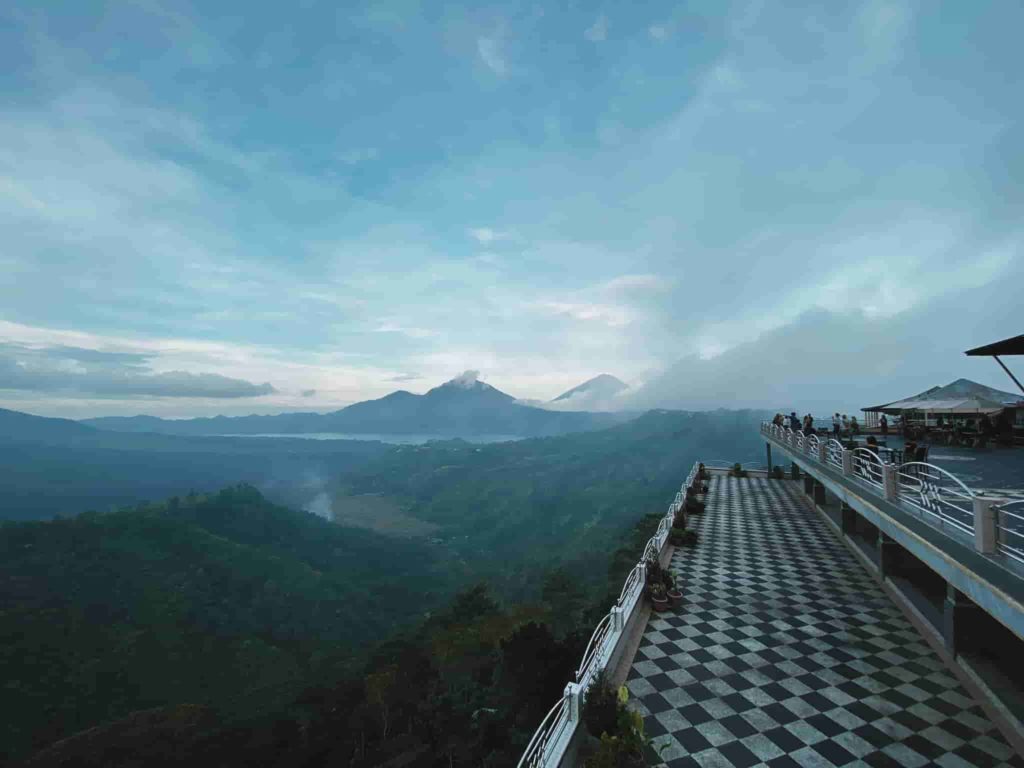
According to industry analysts, this shift toward high-end, view-oriented cafes has contributed to an estimated 25% increase in domestic weekend tourism to the Bangli Regency. The economic implication is significant, as it decentralizes tourism revenue, which was previously hyper-concentrated in the southern Badung regency.
1. Tegu Kopi: A Pioneer of the Caldera View
Tegu Kopi, established in December 2019, is widely credited as one of the catalysts for the current cafe boom in the Penelokan area. Situated directly on the ridge, its architectural layout was designed to capitalize on the 180-degree visibility of the Batur caldera.
What makes Tegu Kopi a focal point for researchers and tourists alike is its consistent ability to frame the "triple peak" view—Mount Batur, Mount Abang, and Mount Agung. During the shoulder months of the tourism calendar, the cafe serves as a vantage point for observing the unique atmospheric phenomena of the region, where mist often rolls over the caldera rim during the late afternoon. This "sea of clouds" effect has become a highly sought-after visual, driving substantial traffic to the cafe’s digital platforms and physical location.
2. Eco Bike Coffee: Integrating Agriculture and Tourism
Eco Bike Coffee represents a more sustainable model of tourism development in the highlands. Unlike the singular, monolithic structures seen elsewhere, Eco Bike occupies a multi-level footprint that integrates an active coffee plantation with hospitality services.
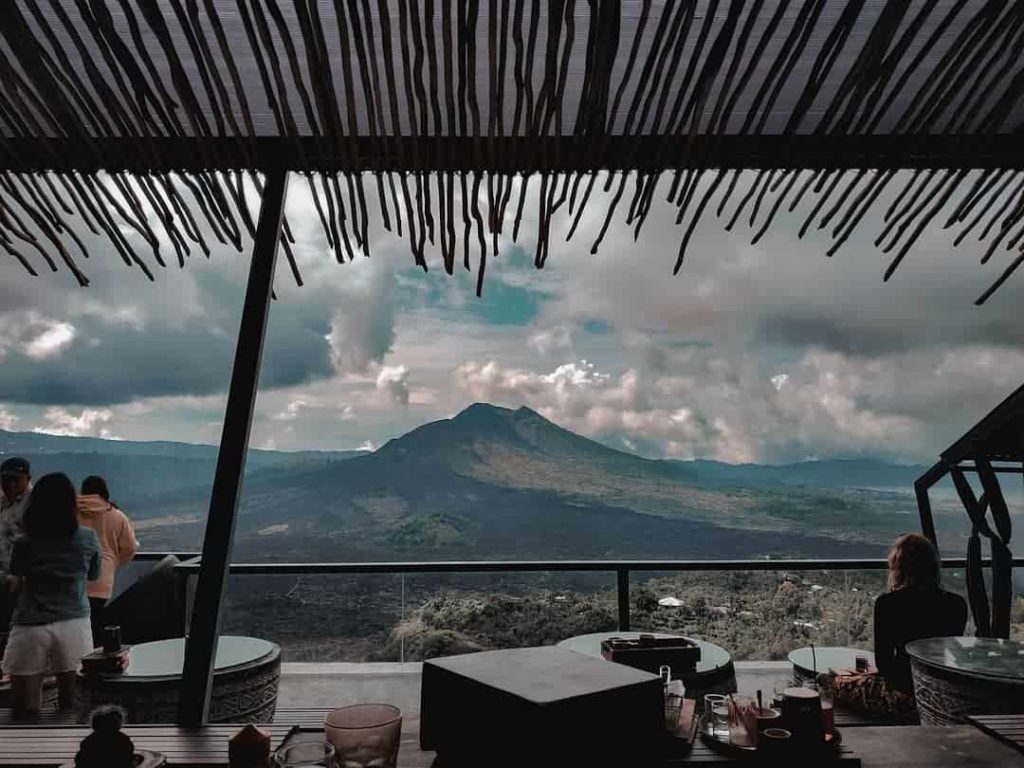
The three-story configuration serves a functional purpose: the ground floor acts as an educational space for visitors to learn about the Kintamani Arabica bean—a product with protected geographical indication status—while the upper floors cater to the leisure market. However, the reliance on an outdoor rooftop concept poses a logistical challenge. Meteorological data for the Kintamani region indicates that cloud cover is prevalent during the transition seasons. Consequently, the business has had to adapt by implementing real-time communication regarding visibility, reflecting a broader trend where businesses must now educate consumers on the realities of highland weather patterns.
3. Akasa Coffee: Elevating the Gastronomic Experience
Akasa Coffee distinguishes itself through a premium positioning strategy. With an average check size often exceeding IDR 150,000 per person, it sits at the higher end of the local market. The establishment focuses on a comprehensive menu that bridges the gap between a casual coffee shop and a full-service restaurant.
The operational philosophy at Akasa is built on the concept of "climatic comfort." Recognizing that the cooling effects of the caldera can be jarring for visitors from the tropical coast, the establishment provides a highly controlled environment. The design—incorporating extensive use of natural materials such as volcanic stone and reclaimed wood—is intended to mirror the rugged terrain of Mount Batur while maintaining a standard of luxury. For stakeholders, Akasa serves as a benchmark for how local businesses can transition from seasonal spots to year-round destinations through diversification of their service offerings.
4. Batur 1926: A Study in Cultural Architecture
Batur 1926 is notable for its deliberate attempt to incorporate Balinese architectural heritage into a modern structure. The use of a traditional Balinese gapura (gateway) at the entrance of its rooftop terrace serves as a cultural anchor.
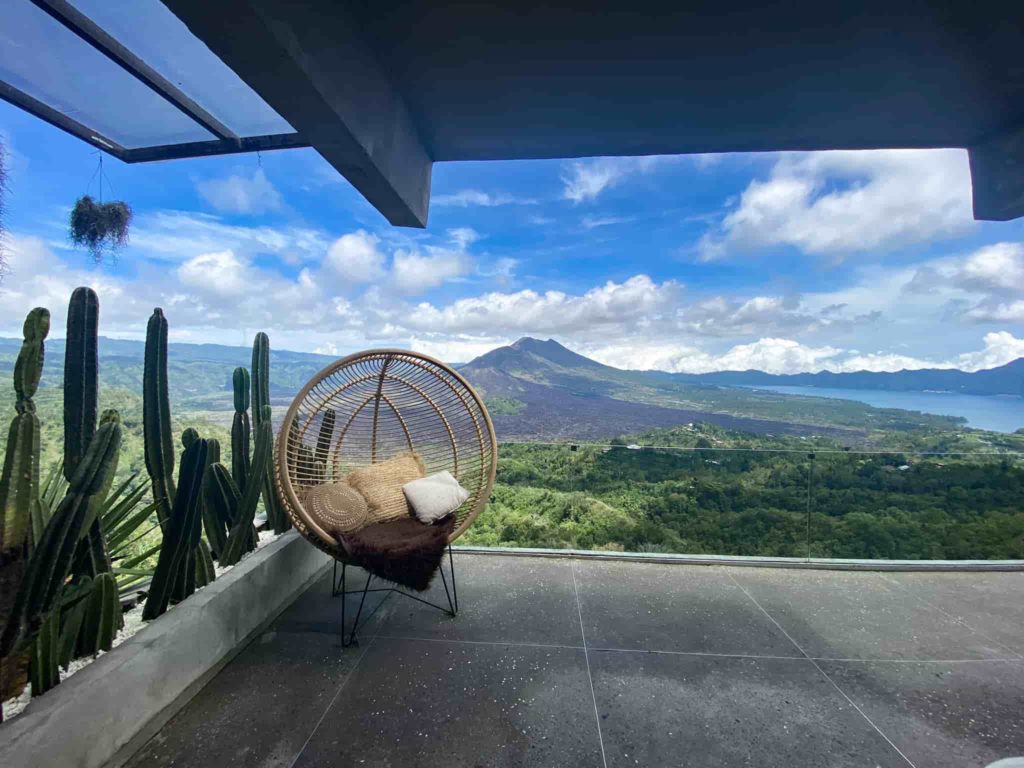
Chronologically, the cafe has marketed itself as a "sunrise destination." By opening its doors well before dawn, it captures the pre-trekking demographic and those who wish to avoid the mid-morning fog. The architectural design is not merely decorative; the orientation of the building is calculated to optimize the trajectory of the sunrise, providing an unobstructed view of the sun emerging from behind the distant Mount Agung. This level of planning demonstrates a maturation of the Kintamani hospitality sector, where business owners are now collaborating with designers to harmonize human-made structures with the natural landscape.
5. Kava Coffee: The Intersection of Interior and Exterior
Kava Coffee takes a different approach by focusing on the "seamless transition" between interior and exterior spaces. Its use of floor-to-ceiling glass partitions is a direct response to the demand for weather-proof viewing.
From an operational standpoint, Kava utilizes a semi-outdoor layout that allows for ventilation while maintaining warmth, effectively solving the "chilly" problem often associated with highland cafes. By placing the seating areas parallel to the lakefront, the designers have prioritized the psychological benefits of "nature-viewing," a concept increasingly recognized in urban planning as a way to reduce stress levels. The design of Kava has been cited in architectural forums as an example of how to build on steep, environmentally sensitive slopes without causing excessive landscape disruption.
Broader Economic and Environmental Implications
The surge in these developments has not been without its challenges. The local government of Bangli has recently signaled an intent to introduce more rigorous land-use policies to ensure that the rapid expansion of cafes does not compromise the structural integrity of the caldera rim or lead to improper waste management.
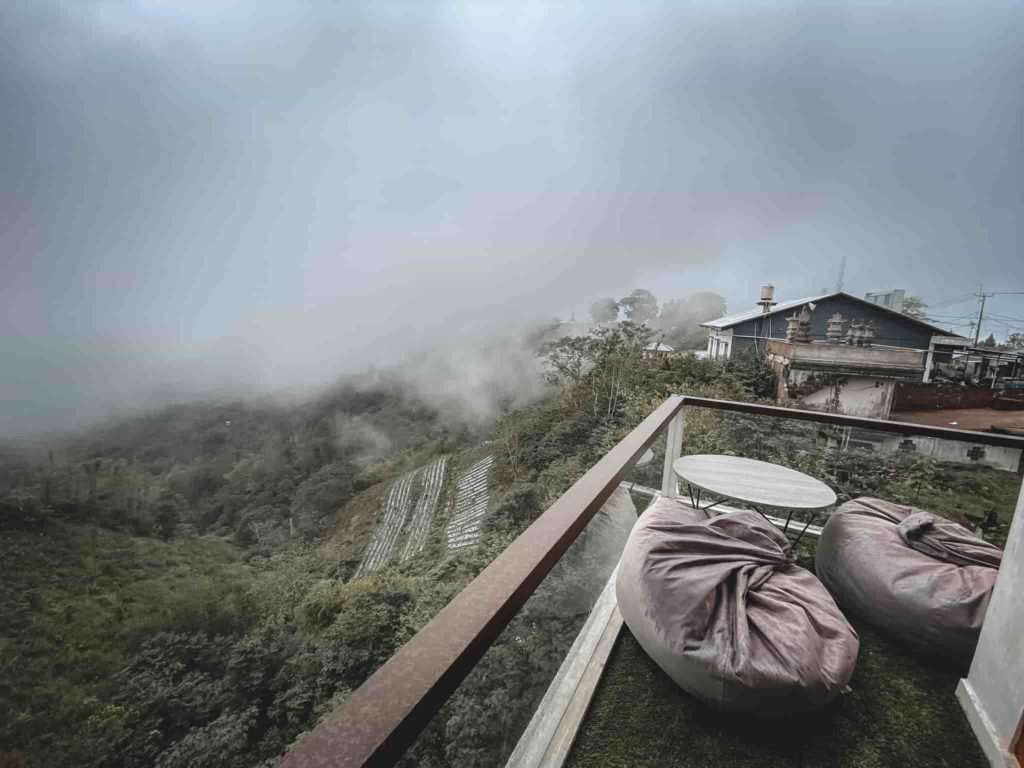
Furthermore, the "Instagrammability" of these locations has created a new type of tourism economy in Bali, where the success of a business is heavily dependent on its digital footprint. While this has resulted in significant economic growth for the region, it also places a burden on local infrastructure. Road accessibility and parking remain the primary bottlenecks for these establishments.
As these cafes continue to evolve, the consensus among industry experts is that the next phase of development will focus on "experience-based" services rather than just "view-based" services. This means moving beyond the aesthetic, where businesses will need to offer tours, educational experiences, and cultural immersion to sustain their market position. For the traveler, this means that a visit to the Kintamani highlands is no longer just a stop for a cup of coffee; it is a gateway to understanding the volcanic heart of Bali, a landscape that is as dynamic and shifting as the industry it now supports.
Ultimately, these five establishments—Tegu Kopi, Eco Bike Coffee, Akasa, Batur 1926, and Kava—represent more than just popular hangout spots. They are the frontline of a significant geographical and economic shift in Bali, marking the transition of the central mountains from a remote hinterland into a vital, modern component of the island’s global tourism profile.