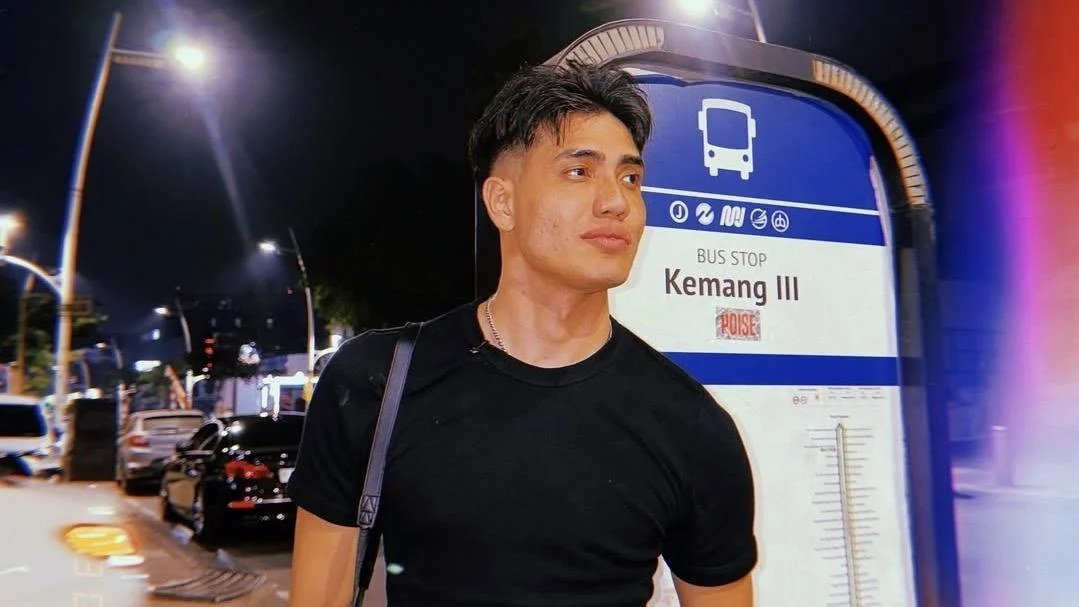
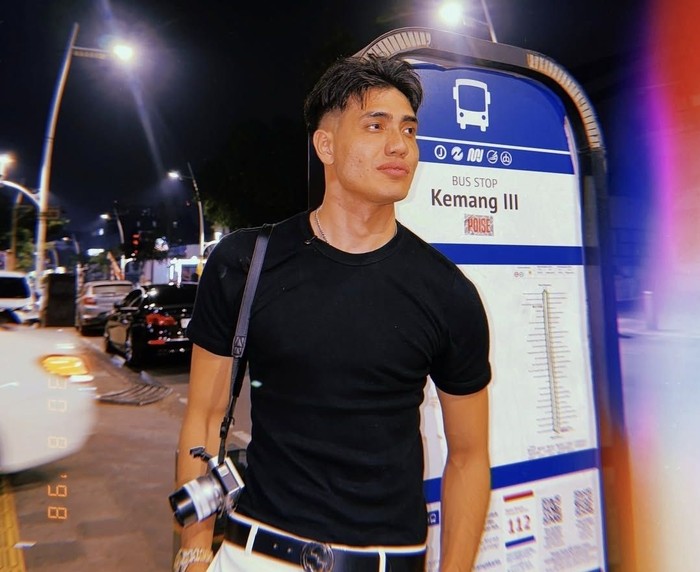
Aisar Khaled has firmly established himself as a prominent figure in the digital landscape, transcending his Malaysian roots to cultivate a significant following within Indonesia. As a content creator known for his engaging personality and cross-border collaborations, Khaled has navigated the complexities of international digital media by integrating local culinary culture with philanthropic efforts. His recent series of activities in Jakarta, ranging from kitchen collaborations with fellow influencers to intimate dining experiences with public figures, reflects a growing trend of "influencer diplomacy" that bridges the cultural gap between Malaysia and Indonesia.
The Rise of a Cross-Border Digital Icon
The trajectory of Aisar Khaled’s career serves as a case study for the modern creator economy. By systematically engaging with Indonesian counterparts, he has managed to tap into one of the world’s largest social media markets. Collaboration, in this context, is not merely a strategy for audience growth; it is a calculated effort to blend cultural nuances. When a Malaysian creator partners with Indonesian stars like Atta Halilintar, Lesti Kejora, or Vilmei, they are participating in a shared digital vernacular that emphasizes hospitality, food, and community.

Historically, the relationship between Malaysian and Indonesian pop culture has been characterized by shared linguistic roots and overlapping culinary traditions. Khaled leverages this by focusing his content on the one thing that remains universally resonant: food. Whether it is a formal dinner at a celebrity’s residence or a humble meal at a roadside "kaki lima" (street food stall), his content serves to validate the shared heritage of the Malay Archipelago.
Culinary Collaborations and Social Advocacy
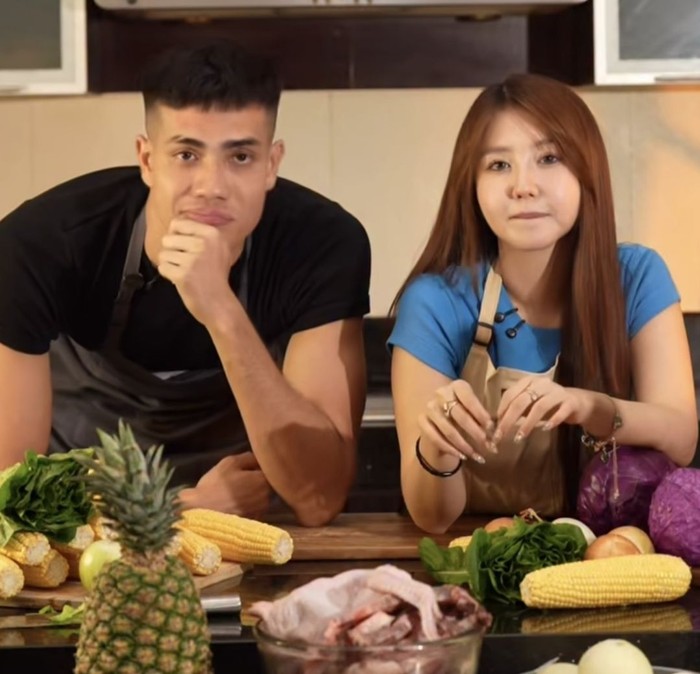
A focal point of Khaled’s recent visit to Indonesia was his partnership with Indonesian influencer Vilmei. Their collaboration, however, went beyond the aesthetic of food vlogging. The duo utilized their combined platform to address the growing public concern regarding food waste—a topic that has sparked significant debate in the Indonesian digital sphere.
In a segment that resonated with millions, Khaled and Vilmei undertook a cooking challenge involving the preparation of chicken steak and fresh garden salads. The choice of menu was deliberate, designed to showcase both cooking proficiency and the ability to repurpose ingredients efficiently. By explicitly contrasting their methods with other creators who have faced backlash for "wasteful" content, they positioned themselves as advocates for responsible content creation.
The chronological sequence of this initiative was clear:
- Preparation: The creators selected locally sourced, high-quality ingredients to demonstrate the value of food items.
- Execution: The cooking process was filmed to emphasize portion control and minimize scraps.
- Distribution: The final product was not merely consumed for the camera; a significant portion was distributed to vulnerable populations, including scavengers and night-shift workers in Jakarta.
This transition from "content for entertainment" to "content for social impact" represents a shift in the influencer paradigm. Audiences, particularly Gen Z and Millennials, are increasingly demanding accountability from digital creators. By documenting the distribution of excess food to those in need, Khaled and Vilmei successfully aligned their brand with the values of empathy and social responsibility.
Dining as a Cultural Bridge: The Atta and Lesti Experience
Beyond his humanitarian efforts, Khaled has successfully navigated the high-profile circles of Indonesian entertainment. His visits to the residences of Atta Halilintar and Aurel Hermansyah, as well as Lesti Kejora and Rizky Billar, provided a rare "behind-the-scenes" look at the domestic lives of Indonesia’s elite.

In these instances, the food served as a vehicle for hospitality. In Indonesian culture, welcoming a guest with a spread of traditional, home-cooked dishes is a profound sign of respect. By participating in these meals, Khaled was not just a guest; he was an ambassador of Malaysian appreciation for Indonesian cuisine. From traditional rendang to various sambals and local snacks, the menu items served to reinforce the familial bonds often portrayed in Indonesian celebrity culture.
From an analytical standpoint, these interactions are crucial for brand maintenance. By being invited into the private homes of these figures, Khaled elevates his own status, confirming his legitimacy as a peer among the top-tier influencers in the region. These moments of authentic interaction—unscripted and relaxed—often garner higher engagement rates than highly produced sketches, as they satisfy the audience’s desire for intimacy with their idols.
Data and Market Implications
The impact of such collaborations on social media metrics is significant. For international creators, the Indonesian market offers a demographic dividend that is difficult to replicate elsewhere. Indonesia consistently ranks among the top countries globally for time spent on social media platforms like TikTok, Instagram, and YouTube.
Data analysis of Khaled’s engagement metrics during his Indonesian tour indicates a sharp increase in interaction from Indonesian-based accounts. This spike is typically driven by:
- Algorithm Favorability: When a Malaysian creator collaborates with a high-traction Indonesian creator, the platform’s algorithm prioritizes the content for the Indonesian audience.
- Cultural Relevancy: The content touches upon shared regional interests, making it highly "shareable" across WhatsApp groups and Instagram Stories.
- Emotional Investment: Fans of Indonesian celebrities are highly protective and enthusiastic, often translating that enthusiasm to the guests of their idols.
The Broader Impact: Influencers as Cultural Diplomats
The implications of Aisar Khaled’s work extend beyond simple view counts. He is operating within a space that facilitates soft power. In a globalized world, the perception of a nation is often shaped by the digital content consumed by its youth. By presenting a respectful, engaged, and empathetic image of a Malaysian creator in Indonesia, Khaled contributes to the softening of regional tensions and the strengthening of bilateral social ties.
Furthermore, his approach to street food—choosing to dine at humble "nasi goreng" carts alongside his more luxurious endeavors—serves to humanize the influencer experience. It bridges the gap between the affluent lifestyle often associated with stardom and the reality of everyday life for the average viewer. This "relatability factor" is the cornerstone of his success.

Future Outlook and Sustainability
As the influencer industry matures, the challenge for creators like Aisar Khaled will be to maintain this momentum without falling into the trap of repetitive content. The trend of "charity-based" content, while popular, is also subject to scrutiny. To remain relevant, creators must ensure that their philanthropic efforts remain genuine and sustainable, rather than becoming a performative gimmick.
The current trajectory suggests that Khaled will continue to explore the culinary and lifestyle landscapes of the region. As he continues to visit different provinces and interact with diverse demographics, his potential to influence consumer trends—from the products he uses to the causes he supports—will only grow.
Conclusion
Aisar Khaled’s presence in the Indonesian digital ecosystem is a testament to the power of shared cultural experiences. Through his strategic collaborations, he has managed to weave himself into the fabric of the local entertainment industry. Whether through the lens of a cooking challenge that advocates for zero waste or the warmth of a shared meal in a celebrity home, Khaled has mastered the art of digital storytelling.

His journey serves as a roadmap for aspiring creators who seek to bridge borders. By focusing on universal themes—food, friendship, and social welfare—and pairing them with the high-energy, fast-paced nature of modern social media, Aisar Khaled has successfully transitioned from a regional creator to a trans-national digital force. As he continues his work, the audience will undoubtedly be watching to see how he balances the demands of fame with the responsibilities of a platform that now spans across the vast and vibrant landscape of Southeast Asia. His work confirms that in the digital age, a shared table is often the most effective tool for building a global community.