The strategic energy partnership between Indonesia and the United Arab Emirates (UAE) has reached a significant milestone, with Abu Dhabi-based Mubadala Energy signaling a deeper commitment to the development of the Andaman gas blocks located offshore Aceh. This development, confirmed by the Head of the Special Task Force for Upstream Oil and Gas Business Activities (SKK Migas), Djoko Siswanto, marks a pivotal shift in Indonesia’s upstream energy landscape. The announcement came following a high-level meeting between Indonesia’s Minister of Energy and Mineral Resources (ESDM), Bahlil Lahadalia, the Ambassador of the United Arab Emirates, and the President Director of Mubadala Energy.
The discussions primarily centered on the Final Investment Decision (FID) for the massive gas reserves located in the Andaman region. Simultaneously, the UAE government has extended an extraordinary offer to support Indonesia’s energy security by pledging a supply of 30 million barrels of crude oil, delivered with favorable financial terms that exclude working capital requirements and shipping costs.
The Strategic Significance of the Andaman Gas Blocks
The Andaman offshore region, situated in the northern reaches of the Malacca Strait, has emerged as one of the most promising frontiers for natural gas exploration in Southeast Asia. Over the past several years, intensive exploration campaigns, led by international players including Mubadala Energy, Harbour Energy, and others, have yielded world-class discoveries. These reservoirs are estimated to hold multi-trillion cubic feet (TCF) of gas, positioning the region as a cornerstone for Indonesia’s ambition to become a global gas hub.
For Mubadala Energy, which has already established a robust presence in the Indonesian market, the Andaman project represents a high-priority asset. The push toward a Final Investment Decision (FID) is a critical phase in the upstream cycle. It signifies the transition from exploration and appraisal to the multi-billion dollar construction phase, involving the installation of offshore platforms, subsea pipelines, and processing facilities. By engaging at this level, Mubadala is signaling confidence in both the technical viability of the reservoir and the regulatory stability of Indonesia’s upstream sector.
A Landmark Energy Security Support Package
Perhaps the most surprising aspect of the recent diplomatic engagement is the UAE’s pledge to provide 30 million barrels of crude oil to Indonesia. In an era of volatile global oil prices and unpredictable supply chain disruptions caused by geopolitical tensions in the Middle East and Eastern Europe, this infusion of crude oil is a significant boon for Indonesia’s state-owned energy giant, Pertamina.
According to Djoko Siswanto, the terms of this supply are highly unconventional. The exclusion of working capital costs and the inclusion of shipping expenses within the arrangement alleviate a substantial financial burden on the Indonesian state budget. While the specific timeline and the operational mechanism for this delivery are expected to be finalized in subsequent technical meetings, the scale of the commitment—30 million barrels—is substantial, representing a significant portion of Indonesia’s monthly import requirements.
Chronology of Cooperation: From Investment to Partnership
The relationship between Indonesia and the UAE in the energy sector has evolved rapidly since the signing of various Comprehensive Economic Partnership Agreements (CEPA) between the two nations.
- Initial Entry: Mubadala Energy, formerly known as Mubadala Petroleum, began expanding its footprint in Indonesia by acquiring stakes in several exploration blocks, leveraging its expertise in deep-water gas development.
- Andaman Discoveries: The success of the Timpan-1 and Layaran-1 wells in the Andaman blocks over the last 24 to 36 months fundamentally changed the risk profile of the region, attracting increased interest from global investors.
- Ministerial Negotiations: Minister Bahlil Lahadalia has been instrumental in streamlining bureaucratic hurdles for foreign investors, focusing on fiscal incentives and faster permitting processes to ensure that FID targets for major projects are met.
- October 2026 Engagement: The recent meeting at the INPEX-FEED Completion Ceremony in Jakarta served as the venue for cementing these commitments, as both parties sought to move from conceptual agreements to binding investment timelines.
Economic and Operational Analysis
The involvement of Mubadala in the Andaman blocks is expected to have a multiplier effect on the Indonesian economy. The development of deep-water gas fields requires sophisticated engineering, high-tech maritime support, and a massive labor force. By prioritizing the FID for these projects, the government aims to boost domestic gas production, which is essential for fueling Indonesia’s industrialization plans and transitioning from coal to cleaner energy sources.
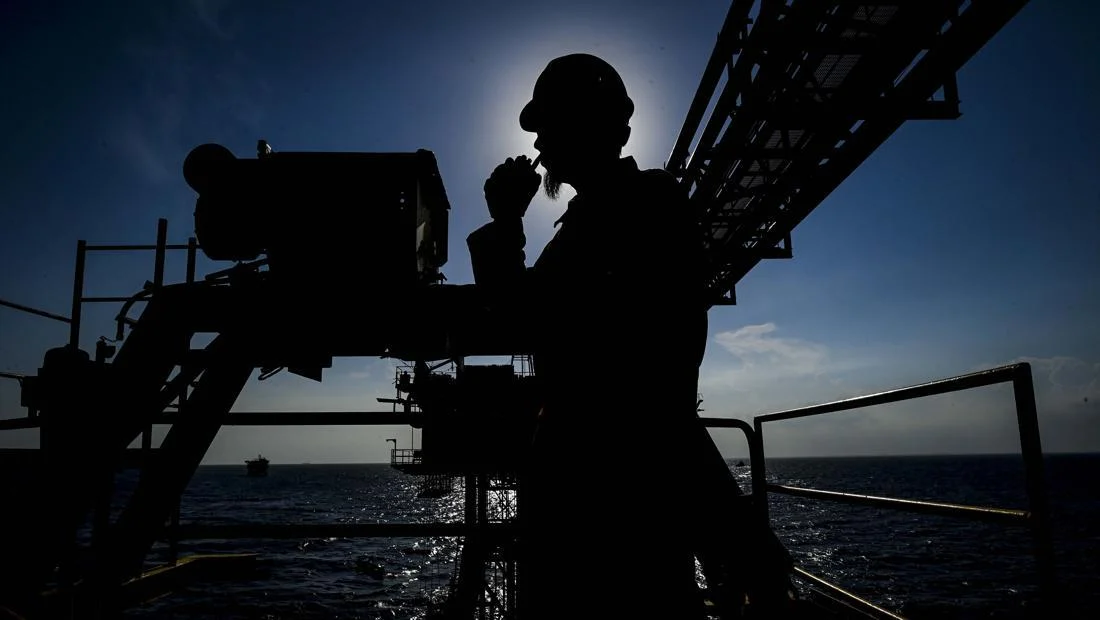
However, the path to first gas is not without challenges. The Andaman blocks are located in deep-water environments characterized by complex geological structures and harsh maritime conditions. The infrastructure required to bring this gas to shore, whether through pipelines to existing facilities or through Floating Liquefied Natural Gas (FLNG) units, requires massive capital expenditure. Mubadala’s willingness to move toward an FID suggests that the fiscal terms offered by the Indonesian government—likely through the Gross Split or enhanced Cost Recovery schemes—have reached a point of attractiveness that aligns with the UAE’s risk appetite.
Furthermore, the 30-million-barrel oil delivery must be integrated into Indonesia’s refining system. Indonesia’s refining capacity has been a perennial bottleneck; however, recent upgrades at the Balongan and Cilacap refineries are intended to better process different grades of crude. If the UAE oil is of a heavy or medium grade, it will be essential to ensure that Indonesia’s refinery configuration can optimize the yield of gasoline and diesel from this specific supply.
Geopolitical Implications
The "extraordinary" nature of the oil supply agreement suggests a deepening diplomatic bond between Jakarta and Abu Dhabi. In the context of global energy politics, the UAE is increasingly positioning itself as a reliable partner to emerging markets in Asia, securing long-term influence through infrastructure investment and supply stability.
For Indonesia, this partnership provides a buffer against external shocks. By securing a reliable supply of crude without the immediate liquidity pressure of working capital, the government can stabilize its trade balance and mitigate the impact of inflation on domestic fuel prices. This move is particularly timely, as the global energy market remains sensitive to disruptions in maritime shipping lanes and the ongoing shift in global energy alliances.
Looking Ahead: The Path to Final Investment Decision
While the intent to proceed with the Andaman project is clear, the coming months will be critical for technical and legal finalization. Stakeholders will be watching for:
- Technical Approval: The finalization of the Field Development Plan (FDP) by SKK Migas, which dictates the scope and scale of the infrastructure.
- Infrastructure Logistics: Decisions regarding whether the gas will be sold domestically to support fertilizer plants and power stations in Aceh and North Sumatra, or whether it will be exported as LNG to meet international demand.
- Local Content Requirements: The extent to which Indonesian companies and contractors will participate in the supply chain for the Andaman development, a key focus of Minister Bahlil’s tenure.
The synergy between the development of the Andaman gas fields and the immediate supply of crude oil illustrates a holistic approach to energy management. By balancing long-term infrastructure investment (Andaman) with short-term energy security (oil supply), Indonesia is creating a robust framework to sustain its economic growth.
The successful execution of these projects will require continued coordination between the ESDM Ministry, SKK Migas, and the UAE’s investment arms. As the energy transition progresses, the role of natural gas as a "bridge fuel" becomes increasingly important. With the expertise of partners like Mubadala Energy and the diplomatic backing of the UAE, Indonesia is well-positioned to unlock its vast offshore potential and ensure a more secure and prosperous energy future.
In conclusion, the developments reported at the recent ceremony reflect a mature and mutually beneficial relationship. While the technical and logistical hurdles of deep-water drilling remain, the alignment of political will and industrial ambition provides a strong foundation for the next phase of Indonesia’s upstream energy sector. The coming months will likely see further announcements regarding the formal signing of the FID and the specific schedules for the crude oil shipments, both of which will serve as barometers for the health of Indonesia’s energy sector in the years to come.