Socio Today
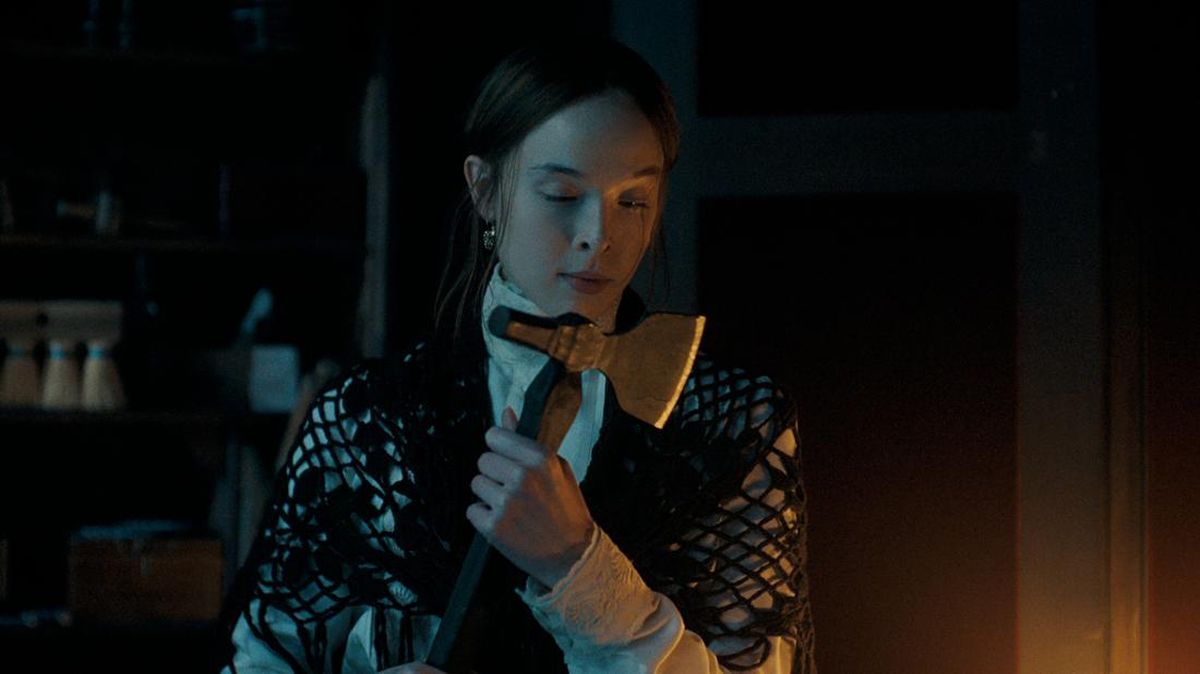
The Netflix anthology series, renowned for its unflinching examination of history’s most notorious figures, has officially returned with a chilling new installment. Following the success of previous seasons, which chronicled the lives of Jeffrey Dahmer, the Menendez brothers, and Ed Gein, the franchise pivots to its first female-led narrative: Monster: The Lizzie Borden Story. This eight-episode series delves into one of the most debated and gruesome chapters in American criminal history, centered on the 1892 double homicide of Andrew and Abby Borden in Fall River, Massachusetts.
The Anatomy of a Scandal: Background and Origins
Lizzie Andrew Borden was born in July 1860, the youngest daughter of Andrew Jackson Borden and Sarah Anthony Morse. Her early life was marked by both privilege and tragedy. The Borden family was well-established, with Andrew serving as a prominent and notably frugal businessman. His reputation for wealth was matched only by his reputation for extreme parsimony, a trait that reportedly created significant tension within the household.
The family structure began to fracture early in Lizzie’s life. Following the death of her mother, Sarah, in 1863, Andrew remarried in 1866 to Abby Durfee Gray. By the time Lizzie reached adulthood, the domestic environment had become a pressure cooker of resentment. Lizzie, along with her sister Emma, harbored a deep-seated distrust of their stepmother, often referring to her coldly as "Nyonya Borden" rather than "Mother." Historical accounts suggest that Lizzie’s disdain was fueled by the perception that Abby had married Andrew solely for financial gain, a theory bolstered by Andrew’s tendency to provide property and financial support to Abby’s relatives.
The Chronology of August 4, 1892
The events of August 4, 1892, remain etched in the American psyche as a definitive moment of historical horror. To understand the gravity of the series, one must examine the timeline of that fateful morning in Fall River.
The unrest began days earlier. On August 3, John Morse, an uncle from the maternal side of the family, arrived for an unannounced visit. The morning of August 4 proceeded with a routine that would soon be shattered. After breakfast, Andrew Borden and John Morse engaged in conversation in the sitting room. Following their discussion, Morse departed to visit other relatives, and Andrew left for his morning business affairs.
During this interval, Lizzie and her sister Emma were occupied with household chores, specifically cleaning the guest room. Concurrently, Abby Borden ascended to the second floor to attend to her own bedroom. When Andrew returned to the residence around 10:45 a.m., he found himself locked out. Bridget Sullivan, the family’s live-in maid, attempted to open the door but failed, at which point she claimed to hear a sound—later described as laughter—emanating from the upper floors.
Once inside, Andrew settled onto the sitting room sofa for a nap. Shortly before noon, the silence of the house was broken by a frantic cry from Lizzie. She claimed to have discovered her father’s body. Andrew Borden was found in a state of horrific mutilation; his face had been struck repeatedly by a sharp instrument, later identified as a hatchet. Shortly thereafter, the body of Abby Borden was discovered in the guest room, having sustained similar, brutal injuries.
Analytical Perspectives on the Borden Case
The legal and historical implications of the Borden case cannot be overstated. Lizzie Borden was eventually arrested and tried for the murders, yet she was acquitted by a jury in 1893. The lack of physical evidence—specifically the missing murder weapon and the lack of blood-spattered clothing—created a "reasonable doubt" that proved insurmountable for the prosecution.
Modern forensic analysis and historical researchers have long debated the verdict. The "Monster" anthology, under the guidance of writer Ian Brennan, aims to dissect the psychological motivations that could have led to such an act. By focusing on the strained family dynamics, the series invites viewers to look beyond the tabloid sensationalism of the era and consider the suffocating atmosphere of the Victorian-era household. The show’s inclusion of complex character studies serves as a lens through which to view the intersection of gender, social class, and repressed trauma in the late 19th century.
Production and Creative Direction
The transition in the production team for this season signals a refined approach to the storytelling. While Ian Brennan remains the primary architect of the narrative, the directorial helm has been handed to Max Winkler and Sarah Adina Smith. This shift in creative vision promises a departure from the stylistic choices of previous seasons, opting for a more atmospheric and psychologically dense depiction of the events in Fall River.
The cast features a roster of acclaimed actors tasked with embodying these historical figures:
- Vicky Krieps: Portraying the complex central figure of Lizzie Borden.
- Charlie Hunnam: Taking on the role of Andrew Borden.
- Rebecca Hall: Providing a nuanced portrayal of the domestic tension within the household.
- Supporting Cast: The inclusion of Jessica Barden, Joey Pollari, Billie Lourd, and Sarah Paulson adds significant weight to the ensemble, ensuring that the interplay between the Borden family members and their associates is grounded in high-caliber performance.
Broader Impact and Cultural Legacy
The endurance of the Lizzie Borden myth in American culture is a testament to the public’s fascination with the "unsolved" nature of the crime. By adapting this story, Netflix is not merely retelling a historical event; it is participating in a long-standing tradition of re-evaluating the "Monster" archetype. The series challenges the audience to consider whether the "monster" in this scenario was a product of innate malice or a symptom of a rigid, patriarchal society that offered little agency to women of that time.
The production has taken pains to remain period-accurate, from the architectural details of the Massachusetts home to the societal expectations of the 1890s. This commitment to detail is intended to provide a backdrop that emphasizes the claustrophobia of the Borden home, a setting that many historians argue was a contributing factor to the breakdown of the family unit.
Official Release and Parental Guidance
Monster: The Lizzie Borden Story is scheduled for global release on Netflix on September 17, 2026. The series carries a mature rating (TV-MA), a designation that reflects the graphic nature of the crime and the intense emotional themes explored throughout the eight-episode run.
As the series prepares for its premiere, industry observers suggest that the shift toward a female-centric narrative may broaden the anthology’s appeal. By exploring the life of an individual who has been both vilified and romanticized for over a century, the production aims to provide a definitive, albeit dramatized, account that bridges the gap between historical fact and the chilling narratives that have evolved in the years since the trial.
The release also underscores Netflix’s strategy of utilizing high-budget, prestige true-crime dramas to anchor its seasonal programming. By selecting a subject as widely recognized as Lizzie Borden, the platform ensures significant viewer interest while providing the creative team with enough historical ambiguity to craft a compelling, serialized narrative.
Conclusion: The Unending Mystery
As audiences prepare to engage with this latest installment of the Monster franchise, the legacy of Lizzie Borden remains as divisive as ever. Whether the series will offer new insights into the case or simply reinforce the existing mystery, the anticipation surrounding the release indicates that the public’s hunger for true-crime analysis shows no sign of waning.
The story of the Borden family is a haunting reminder that behind the veneer of a respectable, wealthy household, domestic pressures can escalate into unimaginable violence. Through its meticulous research and character-driven focus, Monster: The Lizzie Borden Story promises to be a significant addition to the true-crime genre, inviting a new generation to contemplate the blood-stained floorboards of a Massachusetts home and the woman who walked away from them a free person.